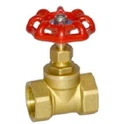
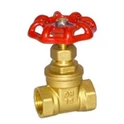
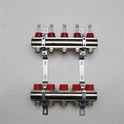
Hey there! I'm a supplier of Duplex Valve, and today I wanna talk about how to match the flange rating of a duplex valve with the pipeline. It might sound a bit technical, but don't worry, I'll break it down in a way that's easy to understand.
First off, let's get a basic understanding of what flange ratings are. Flange ratings are like a set of rules that tell us how much pressure and temperature a flange can handle. Think of it as the "strength" of the flange. Different pipelines and valves have different requirements, and it's super important to match the flange ratings correctly. Otherwise, we could end up with leaks, failures, or even some serious safety issues.
Why Matching Flange Ratings Matters
You might be wondering, "Why all the fuss about matching flange ratings?" Well, here's the deal. If the flange rating of the duplex valve is too low for the pipeline, it won't be able to withstand the pressure and temperature of the fluid flowing through. This can lead to the valve leaking or even breaking apart, which is obviously not good. On the other hand, if the flange rating is too high, it can be overkill and more expensive than necessary. So, finding the right match is key to ensuring the valve works properly and is cost - effective.
Understanding Pipeline Requirements
The first step in matching the flange rating is to understand the pipeline requirements. You need to know the maximum pressure and temperature that the pipeline will experience. This information can usually be found in the pipeline design documents or by doing some on - site measurements. For example, if it's a pipeline in a heating system, the temperature might be relatively high, and you need to make sure the valve can handle that heat.
Let's say you're dealing with a pipeline that has a maximum operating pressure of 150 psi and a maximum temperature of 200°F. You can't just pick any duplex valve. You need to find one with a flange rating that can handle at least these conditions.
Checking the Duplex Valve Flange Rating
Once you know the pipeline requirements, it's time to check the flange rating of the duplex valve. The flange rating of a valve is usually marked on the valve body or in the product documentation. It's often expressed in terms of pressure classes, like Class 150, Class 300, etc.
A Class 150 flange can typically handle lower pressures compared to a Class 300 flange. So, if your pipeline has a relatively low pressure requirement, a Class 150 flange on the duplex valve might be sufficient. But if the pressure is higher, you'll need a higher - rated flange, like Class 300 or even Class 600.
Compatibility of Flange Types
It's not just about the pressure rating. You also need to make sure the flange types are compatible. There are different types of flanges, such as raised face (RF), flat face (FF), and ring - type joint (RTJ). The pipeline and the duplex valve should have the same type of flange to ensure a proper seal.
For example, if the pipeline has a raised - face flange, the duplex valve should also have a raised - face flange. Otherwise, it can be difficult to install the valve correctly, and there's a higher risk of leakage.
Material Considerations
The material of the flange also plays an important role in matching. Different materials have different properties, and they need to be compatible with the fluid in the pipeline. For instance, if the pipeline is carrying a corrosive fluid, you'll need a flange made of a corrosion - resistant material, like stainless steel.
When choosing a duplex valve, make sure the flange material is suitable for the pipeline environment. This will not only ensure a good match in terms of performance but also increase the lifespan of the valve.
Installation and Maintenance
Even if you've matched the flange rating correctly, proper installation and maintenance are crucial. During installation, make sure the bolts are tightened to the correct torque. If the bolts are too loose, the valve might leak. If they're too tight, it can damage the flange.
Regular maintenance is also important. Check the valve and the flange for any signs of wear, corrosion, or damage. Replace any worn - out parts promptly to keep the valve working properly.


Other Related Valves
While we're on the topic of valves, I also wanna mention Manual Radiator Valve. These valves are often used in heating systems to control the flow of hot water to radiators. They work in a similar way to duplex valves in terms of pressure and temperature requirements. If you're working on a heating project, you might need to consider both types of valves and make sure their flange ratings are compatible with the pipeline.
Wrapping It Up
Matching the flange rating of a duplex valve with the pipeline is a multi - step process. You need to understand the pipeline requirements, check the valve flange rating, ensure flange type compatibility, consider the material, and pay attention to installation and maintenance. By following these steps, you can ensure that your duplex valve works efficiently and safely.
If you're in the market for a duplex valve or have any questions about matching flange ratings, I'd love to help. Whether you're a contractor, an engineer, or just someone looking to upgrade your heating system, I can provide you with the right valve and the expertise you need. Feel free to reach out for a chat and let's discuss your specific needs.
References
- "Valve Handbook" by Valve Manufacturers Association
- "Pipeline Design and Construction" by American Society of Mechanical Engineers