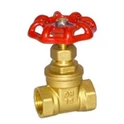
Hey there! As a supplier of brass ball valves, I often get asked if these valves can be repaired. Well, the short answer is yes, but it's not always that straightforward. Let's dive into the details and see what's involved in repairing a brass ball valve.
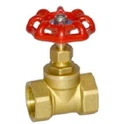
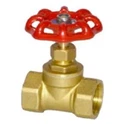
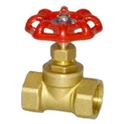
First off, let's understand what a brass ball valve is. A brass ball valve is a type of valve that uses a hollow, perforated, and pivoting ball to control flow through it. When the ball's hole is in line with the flow, the valve is open, and when it's perpendicular, the valve is closed. These valves are commonly used in a variety of applications, from residential plumbing to industrial settings, because of their durability and reliability.
Now, the question is, when should you consider repairing a brass ball valve? There are a few signs that indicate your valve might need some TLC. One of the most obvious signs is a leak. If you notice water or whatever fluid the valve is controlling is seeping out around the valve, that's a clear indication that something's wrong. Another sign is if the valve is hard to turn. A properly functioning brass ball valve should turn smoothly with a reasonable amount of force. If it's stiff or requires excessive force to open or close, there could be an issue.
So, what are the common problems that can lead to these issues, and how can they be fixed?
Leaking Packing
One of the most common causes of a leaking brass ball valve is a problem with the packing. The packing is a material, usually made of graphite or PTFE, that is used to seal the valve stem and prevent fluid from leaking out around it. Over time, the packing can wear out or become damaged, causing a leak.
To repair a leaking packing, you'll first need to turn off the flow of fluid to the valve. This might involve shutting off the main water supply in a residential setting or closing a larger valve upstream in an industrial application. Once the flow is stopped, you can remove the packing nut, which is usually located at the top of the valve stem. Carefully remove the old packing material and clean the area around the valve stem. Then, you can install new packing material. Make sure to wrap it tightly around the valve stem and reinstall the packing nut. Tighten the nut just enough to stop the leak without over - tightening, which could damage the valve stem.
Worn Seats
The seats of a brass ball valve are the surfaces that the ball seals against when the valve is closed. Over time, these seats can wear out due to the constant friction and pressure from the ball. A worn seat can cause a leak even when the valve is fully closed.
Repairing worn seats can be a bit more complicated. In some cases, you might be able to replace the seats if they are designed to be removable. This usually involves disassembling the valve, which can be a delicate process. You'll need to use the right tools to carefully remove the old seats and install new ones. However, not all brass ball valves have replaceable seats. In those cases, you might need to replace the entire valve.
Damaged Ball
The ball inside the valve can also get damaged. This could be due to corrosion, debris in the fluid, or physical impact. A damaged ball can prevent the valve from sealing properly, leading to leaks.
If the ball is damaged, in most cases, it's best to replace the entire valve. While it might be possible to replace just the ball in some high - end or custom - made valves, it's often more cost - effective and practical to replace the whole unit.
Blocked Ports
Sometimes, the ports of the brass ball valve can get blocked with debris or sediment. This can restrict the flow of fluid through the valve and make it hard to turn.
To fix a blocked port, you can try flushing the valve. First, turn off the flow of fluid and remove the valve from the pipeline. Then, you can use a high - pressure water jet or compressed air to try and clear the blockage. If that doesn't work, you might need to disassemble the valve and manually remove the debris.
Now, let's talk about the pros and cons of repairing a brass ball valve versus replacing it.
Pros of Repairing
- Cost - effective: In many cases, repairing a valve is cheaper than replacing it, especially if the problem is minor. For example, replacing a worn packing is a relatively inexpensive fix compared to buying a new valve.
- Time - saving: If you can quickly repair a valve on - site, you can avoid the downtime associated with ordering and installing a new valve. This is especially important in industrial settings where every minute of downtime can cost a lot of money.
Cons of Repairing
- Limited lifespan: A repaired valve might not last as long as a new one. Even if you fix the immediate problem, other parts of the valve might be close to failing, and you could end up with another issue soon.
- Complexity: Some repairs can be quite complex, especially if you're dealing with a problem like worn seats or a damaged ball. If you're not experienced in working with valves, you might end up causing more damage if you try to repair it yourself.
When to Replace
There are times when it's better to replace the brass ball valve rather than repair it. If the valve is very old, severely corroded, or has multiple problems, it's probably more cost - effective and reliable to replace it. Also, if the valve is a critical part of a system and you can't afford any downtime or potential failures, a new valve might be the best option.


As a supplier of brass ball valves, we offer a wide range of high - quality valves, including PPR Spherical Valve, Fire Reel Ball Valve, and Multi - Function Filter Ball Valve. These valves are designed to be durable and reliable, but if you do run into any issues, we're here to help. Whether you need advice on repair or are looking to replace a valve, we can provide you with the right solutions.
If you're in the market for brass ball valves or have any questions about valve repair, don't hesitate to reach out. We're always happy to assist with your needs and can help you find the best valve for your application. Let's start a conversation about your valve requirements and see how we can work together to keep your systems running smoothly.
References
- "Valve Handbook" by J. S. Tuzson
- "Industrial Valves: Selection, Specification, and Installation" by Peter A. Schweitzer