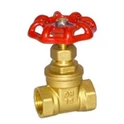
As a supplier of 200 WOG globe valves, I often receive inquiries from customers about the suitability of these valves for water systems. In this blog post, I'll delve into the technical aspects, advantages, and potential limitations of using a 200 WOG globe valve in water systems to help you make an informed decision.
Understanding the 200 WOG Rating
First, let's break down what "200 WOG" means. "WOG" stands for Water, Oil, and Gas. A 200 WOG rating indicates that the valve is designed to handle a maximum working pressure of 200 pounds per square inch (psi) for water, oil, and gas applications. This rating is crucial as it sets the upper limit of pressure that the valve can safely withstand without risking failure.
In water systems, the pressure can vary significantly depending on the application. Residential water systems typically operate at pressures between 40 - 80 psi, while commercial and industrial water systems can have pressures ranging from 100 - 150 psi or even higher in some cases. Given the 200 WOG rating, a 200 WOG globe valve can generally handle the pressure requirements of most water systems.
How Globe Valves Work
Globe valves are a type of linear motion valve that use a disk (or plug) that moves perpendicular to the seat to control the flow of fluid. When the valve is fully open, the disk is lifted completely off the seat, allowing for maximum flow. As the valve is closed, the disk moves towards the seat, gradually reducing the flow area until the valve is fully shut off.
This design provides excellent throttling control, which means that the flow rate of water can be precisely adjusted. This is particularly useful in water systems where the flow needs to be regulated, such as in irrigation systems, water treatment plants, and HVAC systems.
Advantages of Using a 200 WOG Globe Valve in Water Systems
1. Pressure Handling
As mentioned earlier, the 200 WOG rating makes the globe valve suitable for a wide range of water system pressures. Whether it's a low - pressure residential system or a high - pressure industrial application, the valve can handle the pressure without compromising its performance or safety.
2. Throttling Capability
The ability to precisely control the flow rate is a significant advantage. In water systems, this can help in optimizing the use of water resources. For example, in an irrigation system, the valve can be adjusted to provide the right amount of water to different areas based on their specific needs.
3. Shut - off Performance
Globe valves are known for their excellent shut - off capabilities. When fully closed, the disk forms a tight seal against the seat, preventing any leakage. This is crucial in water systems to avoid water wastage and ensure the proper functioning of the system.
4. Durability
200 WOG globe valves are typically made of high - quality materials such as brass or stainless steel. These materials are resistant to corrosion, which is a common issue in water systems due to the presence of dissolved oxygen and other chemicals in water. The durability of the valve ensures a long service life, reducing the need for frequent replacements.
Limitations and Considerations
1. Pressure Drop
One of the main limitations of globe valves is the relatively high pressure drop across the valve compared to other types of valves, such as ball valves. When the valve is partially open, the fluid has to flow through a constricted area, which causes a loss of pressure. In water systems where maintaining a high pressure is critical, this pressure drop may need to be taken into account.
2. Cost
Globe valves, especially those with a 200 WOG rating and made of high - quality materials, can be more expensive than some other types of valves. This cost factor needs to be considered when designing or upgrading a water system, especially for large - scale projects.
3. Maintenance
While globe valves are generally durable, they do require some maintenance. The disk and seat can wear over time, especially in applications with high - flow rates or abrasive particles in the water. Regular inspection and maintenance are necessary to ensure the continued performance of the valve.


Types of 200 WOG Globe Valves for Water Systems
PPR Brass Globe Valve
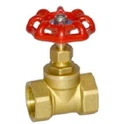
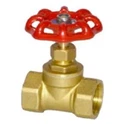
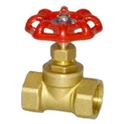
PPR (Polypropylene Random Copolymer) brass globe valves are a popular choice for water systems, especially in residential and small - scale commercial applications. These valves combine the corrosion resistance of brass with the flexibility and ease of installation of PPR pipes. You can find more information about PPR Brass Globe Valve and PPR Brass Globe Valve on our website.
Standard Brass Globe Valve
Standard brass 200 WOG globe valves are suitable for a wide range of water applications. They are often used in industrial water systems, as well as in commercial buildings. These valves offer good durability and performance at a reasonable cost. If you are interested in a 200 WOG globe valve, you can visit 200 WOG Globe Valve for more details.
Conclusion
In conclusion, a 200 WOG globe valve can be a suitable choice for most water systems. Its ability to handle a wide range of pressures, excellent throttling control, and reliable shut - off performance make it a valuable component in water management. However, the pressure drop, cost, and maintenance requirements need to be carefully considered.
If you are in the process of designing or upgrading a water system and are considering a 200 WOG globe valve, I encourage you to reach out to us for more information. Our team of experts can help you select the right valve for your specific application and provide you with all the technical support you need. Whether it's a small residential project or a large - scale industrial installation, we are committed to providing high - quality 200 WOG globe valves and excellent customer service. Contact us today to start the procurement and negotiation process.
References
- "Valve Handbook", 4th Edition, by J. H. Perry and C. H. Chilton
- "Water Distribution Systems Handbook", by Larry W. Mays