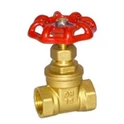
Selecting the appropriate size of ball union valves is a critical decision that can significantly impact the efficiency, safety, and overall performance of a fluid control system. As a trusted supplier of ball union valves, I understand the complexities involved in this process and am here to guide you through the key considerations to ensure you make the right choice.
Understanding Ball Union Valves
Before delving into the sizing process, it's essential to have a basic understanding of ball union valves. These valves are a type of quarter - turn valve that uses a hollow, perforated, and pivoting ball to control the flow of fluid through it. When the ball's hole is in line with the flow path, the valve is open, allowing fluid to pass. When the ball is rotated a quarter - turn, the solid part of the ball blocks the flow path, closing the valve. Ball union valves are known for their durability, tight shut - off capabilities, and ease of operation. They are commonly used in a wide range of applications, including residential plumbing, industrial processes, and commercial heating and cooling systems.
Key Factors in Choosing the Right Size
Flow Rate Requirements
One of the primary factors to consider when choosing the size of a ball union valve is the required flow rate of the system. The flow rate is the volume of fluid that passes through the valve per unit of time, typically measured in gallons per minute (GPM) or cubic meters per hour (m³/h). To determine the appropriate valve size for your flow rate requirements, you need to know the maximum flow rate that the system will experience. This can be calculated based on the system's design specifications, such as the size of the pipes, the pressure of the fluid, and the intended use of the system.
For example, in a residential plumbing system, a typical bathroom sink may require a flow rate of 2 - 3 GPM, while a washing machine may need 4 - 6 GPM. In an industrial process, the flow rate requirements can be much higher, depending on the nature of the operation. Once you have determined the maximum flow rate, you can refer to the valve manufacturer's flow coefficient (Cv) data. The Cv value represents the flow capacity of a valve, indicating the number of gallons per minute of water at 60°F that will flow through the valve with a pressure drop of 1 psi. By matching the required flow rate with the appropriate Cv value, you can select a valve size that can handle the system's flow requirements efficiently.
Pipe Size
The size of the pipes in your system is another crucial factor in choosing the right size of ball union valves. The valve should be compatible with the pipe size to ensure a proper fit and to maintain the integrity of the fluid flow. In most cases, it is recommended to choose a ball union valve with the same nominal pipe size as the pipes in the system. For example, if your pipes are 1/2 - inch in diameter, you should select a 1/2 - inch ball union valve.
However, there may be situations where you need to use a valve with a different size than the pipes. This can occur when you are upgrading or modifying an existing system, or when you need to adjust the flow rate. In such cases, you may need to use pipe reducers or expanders to connect the valve to the pipes. It's important to note that using reducers or expanders can affect the flow characteristics of the system and may require additional calculations to ensure proper operation.
Pressure Rating
The pressure rating of the ball union valve is also an important consideration. The pressure rating indicates the maximum pressure that the valve can withstand without leaking or failing. You need to ensure that the valve's pressure rating is higher than the maximum operating pressure of the system. This is especially important in high - pressure applications, such as industrial processes or hydraulic systems.
To determine the pressure rating requirements of your system, you need to know the maximum pressure that the fluid will exert on the valve. This can be calculated based on the system's design specifications, including the pump pressure, the elevation of the system, and any other factors that may affect the pressure. Once you have determined the maximum operating pressure, you can select a ball union valve with a pressure rating that exceeds this value to ensure safe and reliable operation.


Application and Service Conditions
The specific application and service conditions of the system also play a role in choosing the right size of ball union valves. For example, if the valve will be used in a corrosive environment, such as a chemical processing plant, you may need to choose a valve made of a corrosion - resistant material, such as stainless steel or brass. Additionally, if the valve will be exposed to high temperatures, you need to select a valve that can withstand the temperature without losing its performance.
In some applications, such as those involving the flow of viscous fluids or slurries, the valve size may need to be larger to ensure proper flow. Viscous fluids have a higher resistance to flow, and a smaller valve may cause excessive pressure drop or blockage. In these cases, it's important to consult with a valve expert or the manufacturer to determine the appropriate valve size based on the fluid properties and the system requirements.
Types of Ball Union Valves and Their Sizing Considerations
Forged Brass Ball Valve
Forged Brass Ball Valve is a popular choice for many applications due to its durability, corrosion resistance, and affordability. When choosing the size of a forged brass ball valve, the same factors mentioned above, such as flow rate, pipe size, and pressure rating, apply. However, brass valves may have different flow characteristics compared to valves made of other materials, so it's important to refer to the manufacturer's data for accurate sizing.
Filter Ball Valve
Filter Ball Valve combines the functionality of a ball valve with a built - in filter. These valves are commonly used in applications where it is necessary to remove debris or particles from the fluid before it enters the system. When sizing a filter ball valve, in addition to the standard considerations, you need to take into account the filter's capacity and the pressure drop across the filter. A larger valve may be required to accommodate the filter and to maintain an acceptable flow rate.
Ball Valve with Cap 1/2"
Ball Valve with Cap 1/2" is a specific type of ball union valve with a cap that provides additional protection and sealing. When choosing this type of valve, the 1/2 - inch size is pre - determined, but you still need to ensure that it meets the flow rate, pressure rating, and application requirements of your system.
Conclusion
Choosing the right size of ball union valves is a complex process that requires careful consideration of multiple factors, including flow rate requirements, pipe size, pressure rating, and application conditions. As a supplier of ball union valves, I am committed to providing you with the highest - quality products and the expertise to help you make the right choice.
If you are unsure about which size of ball union valve is best for your application, I encourage you to contact me for a consultation. Our team of experts can assist you in analyzing your system requirements, recommending the appropriate valve size, and providing you with all the information you need to make an informed decision. Whether you are working on a small residential project or a large - scale industrial application, we have the knowledge and experience to help you find the perfect ball union valve for your needs. Don't hesitate to reach out to us to start the procurement process and ensure the efficient and reliable operation of your fluid control system.
References
- Crane Co., "Flow of Fluids Through Valves, Fittings, and Pipe," Technical Paper No. 410.
- Valve Manufacturers Association of America, "Valve Standards and Technical Information."
- ASME B16.34, "Valves - Flanged, Threaded, and Welding End."