Hey there! As a supplier of Gas Pipe Fittings, I've seen firsthand the problems that ice formation in gas pipe fittings can cause. It's not just a minor inconvenience; it can lead to serious issues like reduced gas flow, pipe blockages, and even potential safety hazards. So, let's dive into how we can prevent this pesky ice formation.
Understanding Why Ice Forms in Gas Pipe Fittings
First off, we need to know why ice forms in the first place. When gas flows through the pipe fittings, there's often a drop in temperature. This is due to the expansion of the gas as it moves from a high - pressure area to a lower - pressure one. If there's moisture in the gas or the surrounding environment, this drop in temperature can cause the moisture to freeze, leading to ice formation.
Another factor is the outside temperature. In cold climates, the ambient temperature can be low enough to cause any moisture in the pipe fittings to freeze. And if the pipes aren't properly insulated, the cold can easily seep in and do its damage.
Regular Maintenance Checks
One of the simplest and most effective ways to prevent ice formation is through regular maintenance checks. You should inspect your gas pipe fittings on a regular basis. Look for any signs of moisture buildup, such as condensation on the outside of the pipes. If you notice any, it's a sign that there might be an issue with the moisture content in the gas or the insulation of the pipes.
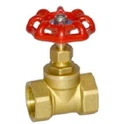
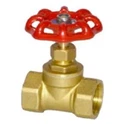
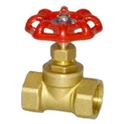
Check for any cracks or leaks in the pipe fittings as well. Even a small crack can allow moisture to enter the system, which can then freeze and cause problems. If you find any cracks, it's important to repair them as soon as possible. You can use Galvanized Gas Iron Pipe Fittings to replace any damaged parts. These fittings are durable and resistant to corrosion, which makes them a great choice for long - term use.
Moisture Removal
As I mentioned earlier, moisture is a major culprit when it comes to ice formation. So, removing moisture from the gas is crucial. There are several ways to do this. One option is to use a gas dryer. A gas dryer works by passing the gas through a desiccant material that absorbs the moisture. This helps to keep the gas dry and reduces the risk of ice formation.
Another way is to install a separator. A separator is a device that separates the liquid and solid particles from the gas. It can effectively remove any water droplets that might be present in the gas, preventing them from freezing in the pipe fittings.
Insulation
Proper insulation is key to preventing ice formation. Insulating your gas pipe fittings can help to keep the heat in and the cold out. There are different types of insulation materials available, such as foam insulation and fiberglass insulation.
Foam insulation is easy to install and provides good thermal resistance. It can be wrapped around the pipe fittings to create a barrier against the cold. Fiberglass insulation, on the other hand, is more durable and can withstand higher temperatures. It's a great choice for areas where the pipes are exposed to extreme conditions.
When installing insulation, make sure it covers the entire length of the pipe fittings, including any joints and connections. You can also use insulation tape to seal any gaps or seams, ensuring that there are no weak points where the cold can enter.
Temperature Monitoring
Monitoring the temperature of the gas and the surrounding environment is also important. You can use temperature sensors to keep track of the temperature inside the pipe fittings. If the temperature starts to drop too low, you can take action before ice forms.
For example, you can increase the flow rate of the gas. A higher flow rate can help to generate more heat, which can prevent the temperature from dropping to the freezing point. You can also adjust the heating system in the area where the pipes are located to maintain a more stable temperature.
Pressure Control
Controlling the pressure in the gas pipe fittings is another way to prevent ice formation. As I mentioned earlier, a sudden drop in pressure can cause the gas to expand and cool down, which can lead to ice formation. By maintaining a stable pressure, you can reduce the risk of this happening.
You can use pressure regulators to control the pressure in the system. A pressure regulator adjusts the pressure of the gas as it flows through the pipe fittings, ensuring that it stays within a safe and stable range.
Using Anti - Freeze Agents
In some cases, using anti - freeze agents can be an effective solution. Anti - freeze agents are chemicals that lower the freezing point of water. You can add these agents to the gas or the liquid in the pipe fittings to prevent ice from forming.


However, it's important to use these agents carefully. Make sure you follow the manufacturer's instructions and use the right amount. Some anti - freeze agents can be harmful if they come into contact with the gas or the environment, so it's crucial to take the necessary precautions.
Choosing the Right Pipe Fittings
As a Gas Pipe Fittings supplier, I can't stress enough the importance of choosing the right pipe fittings. Using high - quality fittings can make a big difference in preventing ice formation. Galvanized Gas Iron Pipe Fittings are a popular choice because they are resistant to corrosion and can withstand harsh conditions.
You should also consider the size and shape of the pipe fittings. Make sure they are the right size for your gas system. If the fittings are too small, the gas flow can be restricted, which can lead to pressure drops and ice formation. If they are too large, there might be more space for moisture to accumulate.
Regular System Flushing
Regularly flushing the gas pipe fittings can also help to prevent ice formation. Flushing the system removes any dirt, debris, or moisture that might have accumulated in the pipes. You can use a high - pressure gas or a cleaning solution to flush the pipes.
Make sure to follow the proper procedures when flushing the system. You don't want to damage the pipe fittings or cause any safety issues. It's a good idea to consult with a professional if you're not sure how to do it correctly.
Conclusion
Preventing ice formation in gas pipe fittings is essential for the safe and efficient operation of your gas system. By following these tips, such as regular maintenance checks, moisture removal, insulation, temperature monitoring, pressure control, and using the right pipe fittings, you can significantly reduce the risk of ice formation.
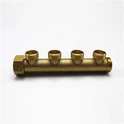
If you're in the market for high - quality gas pipe fittings, we've got you covered. We offer a wide range of products, including Galvanized Gas Iron Pipe Fittings and Gas Pipe Connector. Our products are designed to meet the highest standards of quality and durability.
If you have any questions or are interested in making a purchase, feel free to reach out. We're here to help you find the best solutions for your gas pipe fitting needs. Let's work together to keep your gas system running smoothly and ice - free!
References
- "Gas Pipeline Engineering Handbook" by William Lyons
- "Practical Handbook of Gas Pipeline Engineering" by John Carr