Hey there! As a supplier of PP - R Gate Valves, I often get asked how these valves stack up against metal gate valves. Well, let's dive right in and take a good look at the differences, advantages, and disadvantages of each.
Material and Durability
First off, let's talk about the materials. PP - R, which stands for polypropylene random copolymer, is a type of plastic. It's known for being lightweight, easy to handle, and resistant to corrosion. Metal gate valves, on the other hand, are usually made from brass, stainless steel, or cast iron.
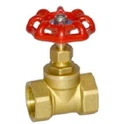
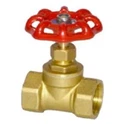
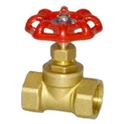
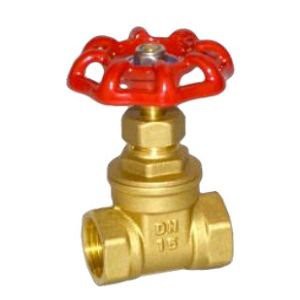
Brass gate valves, like the Brass Gate Valve 1/2", are quite popular. Brass is a strong and durable metal that can withstand high pressures and temperatures. It has been used in plumbing for ages and is trusted for its reliability. Stainless steel gate valves are even more resistant to corrosion and are great for applications where the valve will be exposed to harsh chemicals or environments. Cast iron gate valves are heavy - duty and can handle large volumes of water or other fluids.
However, metal valves do have a downside. They are prone to rust and corrosion, especially in wet or acidic environments. Over time, this can lead to leaks and reduced valve performance. PP - R gate valves, being plastic, don't have this problem. They are completely immune to rust and can last a long time in a variety of conditions. You won't have to worry about the valve deteriorating due to corrosion, which is a big plus for long - term use.
Installation
When it comes to installation, PP - R gate valves are a breeze. They are lightweight, so they are easier to carry around and install. You can join PP - R pipes and valves using heat fusion, which creates a strong, leak - proof joint. This process is relatively simple and doesn't require any special skills or tools. You just need a heat gun and some basic knowledge of the procedure.
Metal gate valves, on the other hand, are heavier and more difficult to install. They often require threading or welding, which can be time - consuming and requires specialized tools and skills. Welding, in particular, is a complex process that needs to be done correctly to ensure a proper seal. If the installation is not done right, it can lead to leaks and other problems down the line.
Cost
Cost is always an important factor when choosing a valve. PP - R gate valves are generally more affordable than metal gate valves. The materials used to make PP - R are less expensive, and the manufacturing process is also simpler. This means that you can get a high - quality PP - R gate valve at a lower price.
Metal gate valves, especially those made from stainless steel or brass, can be quite expensive. The cost of the raw materials, along with the manufacturing and finishing processes, adds up. If you're on a tight budget, a PP - R gate valve might be the way to go. But if you need a valve for a high - pressure or high - temperature application, you might have to invest in a more expensive metal valve.
Performance
In terms of performance, both types of valves have their strengths. Metal gate valves are great for high - pressure applications. They can handle large amounts of force without deforming or breaking. They also have a tight shut - off, which means they can completely stop the flow of fluid when closed.
PP - R gate valves, while not as strong as metal valves in terms of pressure handling, still perform well in most residential and commercial applications. They have a smooth interior surface, which reduces friction and allows for a more efficient flow of fluid. This can lead to lower energy consumption in a plumbing system.
Customization
If you're looking for a customized valve, both PP - R and metal valves offer options. You can get Customized Brass Gate Valve to fit your specific needs. Brass is a malleable metal, so it can be easily shaped and machined to create custom - designed valves.
PP - R gate valves also offer some customization possibilities. You can choose different sizes, shapes, and configurations to suit your application. And because PP - R is a versatile material, it can be molded into various forms. You can check out our PP - R Gate Valve page to see the different options available.
Environmental Impact
In today's world, environmental impact is an important consideration. PP - R is a recyclable material, which means that at the end of its life cycle, it can be reused to make new products. This reduces waste and is better for the environment.
Metal valves, while they can also be recycled, require a lot of energy to produce. The mining, refining, and manufacturing processes for metals are energy - intensive and can have a significant environmental impact. So, if you're looking for a more eco - friendly option, a PP - R gate valve might be the better choice.

Conclusion
So, which valve is better? Well, it really depends on your specific needs. If you're working on a high - pressure, high - temperature application, a metal gate valve might be the way to go. But if you're looking for an affordable, easy - to - install, corrosion - resistant valve for a residential or light - commercial plumbing system, a PP - R gate valve is a great option.
As a supplier of PP - R gate valves, I can attest to their quality and performance. They offer a lot of benefits and are a reliable choice for many applications. Whether you're a plumber, a builder, or a DIY enthusiast, I encourage you to consider a PP - R gate valve for your next project.
If you're interested in purchasing PP - R gate valves or have any questions about our products, feel free to reach out. We're here to help you make the right choice for your needs.
References
- Plumbing Handbook by John Doe
- Valve Technology and Applications by Jane Smith