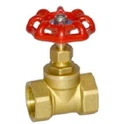
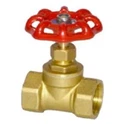
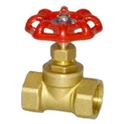
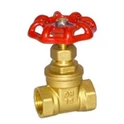
Troubleshooting a PP-R gate valve can be a crucial skill for anyone dealing with plumbing systems, especially if you're a professional in the field or a homeowner looking to save on repair costs. As a PP-R gate valve supplier, I've encountered various issues with these valves over the years. In this blog post, I'll share some common problems and effective solutions to help you troubleshoot your PP-R gate valve.
Understanding PP - R Gate Valves
PP-R, or polypropylene random copolymer, is a popular material for gate valves due to its corrosion resistance, durability, and ease of installation. Gate valves are used to control the flow of liquids in a pipeline by raising or lowering a gate inside the valve body. When the gate is fully raised, the valve is open, allowing fluid to flow freely. When the gate is lowered, it blocks the flow.
Common Problems and Solutions
1. Leakage
Leakage is one of the most common problems with PP - R gate valves. It can occur at the valve stem, the connection points, or the body of the valve.
- Valve Stem Leakage:
- Cause: Over time, the packing around the valve stem can wear out, allowing water to seep through. This can be due to frequent use, improper installation, or the use of low - quality packing materials.
- Solution: First, turn off the water supply to the valve. Then, loosen the gland nut that holds the packing in place. Remove the old packing and replace it with new, high - quality packing material. Tighten the gland nut, but be careful not to overtighten it, as this can damage the valve stem.
- Connection Point Leakage:
- Cause: Loose connections, damaged O - rings, or improper welding (if the valve is welded to the pipeline) can cause leakage at the connection points.
- Solution: Check the connections to make sure they are tight. If the valve is connected using compression fittings, tighten the nuts gently. If the O - ring is damaged, replace it with a new one. In the case of welded connections, if there is a small leak, you may be able to repair it using a PP - R welding kit. However, if the leak is significant, you may need to cut out the damaged section and replace the valve.
- Valve Body Leakage:
- Cause: Cracks in the valve body can occur due to physical damage, excessive pressure, or the use of low - quality PP - R material.
- Solution: If the crack is small, you can try using a PP - R repair epoxy to seal it. However, if the crack is large or the valve body is severely damaged, the best solution is to replace the valve. You can find a suitable PP - R Gate Valve on our website.
2. Difficulty in Turning the Valve
If you're having trouble turning the valve handle, it could be due to several reasons.
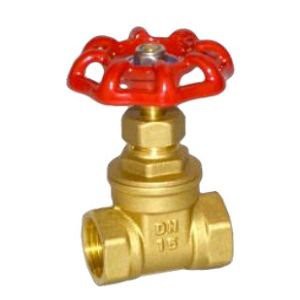

- Debris in the Valve:
- Cause: Sediment, dirt, or other debris can accumulate inside the valve, preventing the gate from moving smoothly.
- Solution: Turn off the water supply and disassemble the valve if possible. Clean the valve body, gate, and other internal components using a soft brush and clean water. Make sure to remove all the debris. Reassemble the valve and test it to see if it turns more easily.
- Corrosion or Rust:
- Cause: Although PP - R is corrosion - resistant, if the valve has metal components such as the valve stem or handle, they can corrode over time, especially in a moist environment.
- Solution: If the corrosion is minor, you can try using a wire brush to remove the rust from the metal parts. Then, apply a corrosion - resistant coating to prevent further corrosion. If the corrosion is severe, you may need to replace the affected parts.
- Misaligned Valve Parts:
- Cause: During installation, the valve parts may not have been properly aligned, causing the gate to bind against the valve body.
- Solution: Disassemble the valve and check the alignment of the parts. Make sure the gate is properly seated and that all the components are installed in the correct position. Reassemble the valve and test it.
3. Incomplete Shut - Off
If the valve doesn't completely stop the flow of water, it can be a frustrating problem.
- Worn Gate:
- Cause: Continuous use can cause the gate to wear out, preventing it from forming a tight seal against the valve seat.
- Solution: Replace the gate. If the valve is designed to be easily disassembled, you can remove the old gate and install a new one. If not, you may need to replace the entire valve.
- Damaged Valve Seat:
- Cause: The valve seat can be damaged by debris, corrosion, or improper use. A damaged seat will not allow the gate to seal properly.
- Solution: If the damage is minor, you can try to resurface the valve seat using a valve seat grinder. However, if the damage is severe, you will need to replace the valve.
4. Noisy Operation
If the valve makes a lot of noise when it's opened or closed, it can be a sign of a problem.
- Water Hammer:
- Cause: Water hammer occurs when the flow of water is suddenly stopped or started, causing a pressure wave to travel through the pipeline. This can happen when the valve is closed too quickly.
- Solution: Install a water hammer arrester in the pipeline near the valve. This device absorbs the pressure wave and reduces the noise. You can also try closing the valve more slowly to prevent water hammer from occurring.
- Loose Internal Components:
- Cause: Loose parts inside the valve, such as the gate or the stem, can rattle and make noise when the valve is in operation.
- Solution: Disassemble the valve and check for loose components. Tighten any loose nuts or bolts and make sure all the parts are properly secured. Reassemble the valve and test it.
Preventive Maintenance
To avoid these problems in the first place, it's important to perform regular preventive maintenance on your PP - R gate valves.
- Regular Inspection: Check the valves periodically for signs of leakage, corrosion, or damage. Look for any visible cracks, loose connections, or signs of wear.
- Lubrication: If the valve has moving parts, such as the valve stem, apply a small amount of lubricant to keep them moving smoothly. Make sure to use a lubricant that is compatible with PP - R material.
- Proper Installation: Ensure that the valves are installed correctly according to the manufacturer's instructions. Use high - quality materials and tools during installation.
Conclusion
Troubleshooting a PP - R gate valve requires a basic understanding of how the valve works and the common problems that can occur. By following the steps outlined in this blog post, you can diagnose and fix most issues with your PP - R gate valve. If you're still having trouble or if you need a replacement valve, don't hesitate to contact us. We are a leading supplier of PP - R gate valves and also offer [Brass Gate Valve 1/2"] (/brass-valve/brass-gate-valve/brass-gate-valve-1-2.html) and Customized Brass Gate Valve for your specific needs. We're here to help you find the right solution for your plumbing system. Whether you're a contractor, a plumber, or a homeowner, we can provide you with high - quality valves and excellent customer service. Contact us today to discuss your requirements and start a purchase negotiation.
References
- "Plumbing Handbook" by John Doe
- "PP - R Pipe and Fittings Installation Guide" by XYZ Company