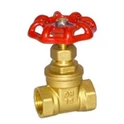
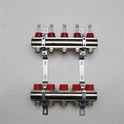
How often should a gas valve be replaced? This is a question that many consumers and industry professionals often ask. As a gas valve supplier, I have in - depth knowledge of gas valves and their lifespans, and I'm here to share some insights on this crucial topic.
Factors Affecting the Replacement Frequency of Gas Valves
1. Type of Gas Valve
There are various types of gas valves available in the market, each with its own characteristics and expected lifespan. For example, the Gas Regulator Valve is designed to control the pressure of gas flowing through a system. These valves are often subject to continuous pressure changes, which can cause wear and tear over time. Generally, a high - quality gas regulator valve can last between 5 to 10 years, depending on the frequency of use and the quality of the gas it regulates.
On the other hand, the Trident Gas Valve is known for its durability and precision. It is commonly used in complex gas systems. Due to its advanced design and high - grade materials, a trident gas valve may have a longer lifespan, potentially lasting 10 to 15 years under normal operating conditions.


The Double - Fork Gas Valve is another type that is popular in certain industrial applications. Its unique structure allows for efficient gas flow control. However, if it is used in a harsh environment with high - pressure or corrosive gases, its lifespan may be reduced to 3 to 7 years.
2. Frequency of Use
The more frequently a gas valve is used, the faster it will wear out. In a residential setting, where gas valves are used for cooking and heating, they may not be in constant operation. For instance, a gas valve in a home kitchen that is used a few hours a day may last longer compared to a valve in a commercial kitchen where it is in use for most of the day. In a commercial environment, the valve may need to be replaced every 3 to 5 years, while in a residential setting, it could last 5 to 7 years.
3. Quality of the Gas
The quality of the gas passing through the valve can also significantly impact its lifespan. Impurities in the gas, such as sulfur compounds or particulate matter, can cause corrosion and clogging of the valve components. If the gas contains high levels of contaminants, the valve may need to be replaced more frequently, perhaps every 2 to 4 years. Clean, high - quality gas, on the other hand, can extend the valve's lifespan by reducing the amount of wear and tear on its internal parts.
4. Operating Conditions
The environment in which the gas valve operates plays a vital role. Extreme temperatures, high humidity, and exposure to chemicals can all accelerate the deterioration of the valve. For example, a gas valve installed outdoors in a coastal area may be exposed to saltwater and high humidity, which can cause corrosion. In such harsh conditions, the valve may need to be replaced every 2 to 3 years. In a controlled indoor environment with stable temperature and humidity, the valve can last much longer.
Signs That a Gas Valve Needs to be Replaced
1. Leakage
One of the most obvious signs that a gas valve needs to be replaced is gas leakage. A small hissing sound near the valve or the smell of gas in the vicinity are clear indicators of a problem. Gas leakage is extremely dangerous as it can lead to fires, explosions, and health hazards. If you detect any signs of leakage, you should immediately turn off the gas supply and have the valve replaced by a professional.
2. Difficulty in Operation
If you find it increasingly difficult to open or close the gas valve, it may be a sign of internal damage. This could be due to worn - out seals, corroded parts, or debris clogging the valve mechanism. A valve that is hard to operate may not be able to control the gas flow properly, which can pose a safety risk.
3. Inconsistent Gas Flow
When the gas flow is inconsistent, such as sudden surges or drops in pressure, it could be a sign that the valve is malfunctioning. This can affect the performance of gas - powered appliances and may also indicate that the valve is no longer able to regulate the gas flow accurately.
Importance of Regular Maintenance and Replacement
Regular maintenance and timely replacement of gas valves are crucial for safety and efficiency. A malfunctioning gas valve can lead to serious safety issues, including gas leaks, fires, and explosions. By replacing the valve at the appropriate time, you can ensure the safe operation of your gas - powered appliances and protect your property and the people around you.
In addition to safety, replacing gas valves on schedule can also improve the efficiency of your gas system. A new valve will be able to regulate the gas flow more accurately, which can lead to better performance of your appliances and potentially lower energy costs.
How to Determine the Replacement Schedule
To determine the appropriate replacement schedule for your gas valve, you should consider the factors mentioned above. Start by identifying the type of gas valve you have. Refer to the manufacturer's guidelines for the recommended lifespan of the specific valve model. Take into account the frequency of use, the quality of the gas, and the operating conditions.
If possible, have a professional inspect the valve regularly. A trained technician can detect early signs of wear and tear and provide an accurate assessment of the valve's condition. They can also recommend the best time for replacement based on their expertise.
Conclusion
In conclusion, the replacement frequency of a gas valve depends on several factors, including the type of valve, frequency of use, quality of the gas, and operating conditions. As a gas valve supplier, I recommend that you pay close attention to the signs of valve deterioration and follow a regular maintenance schedule.
If you are in need of high - quality gas valves or have any questions about gas valve replacement, please feel free to contact us. We offer a wide range of gas valves, including Gas Regulator Valve, Trident Gas Valve, and Double - Fork Gas Valve, and our team of experts is ready to assist you with your gas valve needs.
References
- "Gas Valve Handbook" - A comprehensive guide on gas valve technology and maintenance.
- Industry standards and regulations regarding gas valve safety and replacement.
- Manufacturer's specifications and guidelines for different types of gas valves.