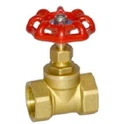
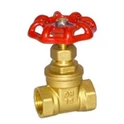
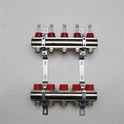
Hey there, folks! I'm a supplier of Ball Union Valves, and today I wanna chat about how important it is to protect these valves from external damage. Ball Union Valves are pretty crucial in many systems, whether it's in plumbing, industrial setups, or even some home appliances. They help control the flow of fluids and gases, so keeping them in good shape is super important. So, let's dig into some ways to safeguard these little but mighty components.
Installation Matters
The first step in protecting Ball Union Valves starts right at the installation stage. You gotta make sure the valve is installed in the right place. It shouldn't be in an area where it's likely to get bumped or knocked around. For example, if you're installing it in a factory, keep it away from heavy machinery that might vibrate or move around a lot.

Also, when you're connecting the valve to pipes or other equipment, use the proper tools and techniques. Over - tightening can cause stress on the valve body, which might lead to cracks or leaks later on. On the other hand, if it's not tightened enough, it can come loose, allowing fluid to escape and potentially causing damage to the valve and the surrounding area.
Use Protective Covers
One simple yet effective way to shield Ball Union Valves from external damage is by using protective covers. These covers can be made of various materials like plastic, rubber, or metal, depending on the environment the valve is in.
In a dusty or dirty environment, a plastic cover can keep debris from getting into the valve mechanism. For valves installed outdoors, a weather - resistant rubber cover can protect against rain, snow, and UV rays. Metal covers are great in industrial settings where there's a risk of physical impact from tools or other equipment.
Regular Inspections
Regular inspections are a must. You can't just install the valve and forget about it. Set a schedule to check your Ball Union Valves periodically. Look for signs of wear and tear, such as scratches, dents, or corrosion.
Check the seals and gaskets around the valve. If they're worn out, they can let in water or other contaminants, which might damage the valve. Replace any damaged parts as soon as you spot them. It's much easier and cheaper to fix a small issue than to replace the whole valve later.
Protect Against Chemical Exposure
If your Ball Union Valves are used in an environment where they might come into contact with chemicals, you need to take extra precautions. Some chemicals can corrode the valve material, especially if it's made of brass or other metals.
Before you use a valve in a chemical - rich area, make sure it's made of a material that's resistant to those specific chemicals. You can also use chemical - resistant coatings to add an extra layer of protection.
Consider the Surrounding Temperature
Temperature can have a big impact on Ball Union Valves. Extreme heat or cold can cause the valve material to expand or contract, which might lead to leaks or other problems.
In high - temperature environments, you can use heat - resistant insulation around the valve. This helps to keep the temperature of the valve within a safe range. For cold environments, you might need to use heaters or insulation to prevent freezing, which can crack the valve body.
Route Hoses and Pipes Carefully
When you're dealing with hoses and pipes connected to the Ball Union Valves, make sure they're routed carefully. Avoid sharp bends or kinks in the hoses, as these can cause pressure build - up and potentially damage the valve.
Also, make sure the hoses and pipes are properly secured. If they're loose, they can move around and hit the valve, causing physical damage.
Training for Operators
If your Ball Union Valves are used in a workplace where multiple people are operating machinery or equipment, it's important to provide proper training. Operators should know how to handle the valve correctly, how to recognize signs of damage, and what to do in case of an emergency.
This can prevent accidental damage caused by improper handling. For example, an untrained operator might turn the valve too forcefully, which can damage the internal mechanism.
Backup and Redundancy
In some critical applications, it's a good idea to have a backup or redundant Ball Union Valve. This way, if one valve gets damaged, the other can take over, minimizing downtime and potential damage to the system.
Related Products
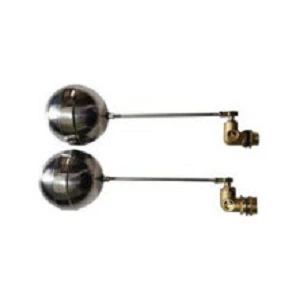
When talking about valves, it's worth mentioning some related products that you might also find useful. For instance, the Brass Ball Float Valve is great for controlling the water level in tanks. It's made of brass, which is durable and resistant to corrosion.
The Filter Ball Valve is another option. This valve combines the function of a ball valve with a filter, which can help keep your system clean and prevent debris from damaging the valve or other components.
And then there's the Forged Brass Ball Valve. It's made through a forging process, which makes it stronger and more reliable than regular brass valves. It's a great choice for high - pressure applications.
Conclusion
Protecting Ball Union Valves from external damage is all about taking a proactive approach. From proper installation to regular inspections and using protective measures, there are many things you can do to keep these valves in top condition.
If you're in the market for high - quality Ball Union Valves or any of the related products I mentioned, don't hesitate to reach out. We're here to help you find the right valves for your needs and ensure they're well - protected. I'd love to have a chat with you about your requirements and how we can work together to make your systems run smoothly.
References
- "Valve Handbook" by Valve Manufacturers Association.
- Industry standards and guidelines for valve installation and maintenance.