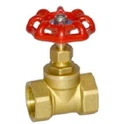
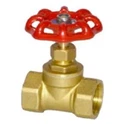
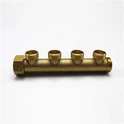
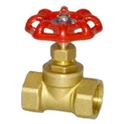
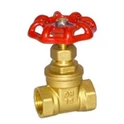
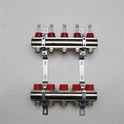
Yo, folks! As a supplier of brass manifolds, I often get asked this question: “Can brass manifolds be used in drinking water systems?” Well, let's dive right into it and check if brass manifolds are a good fit for your drinking water needs.
First off, let's talk about what brass is. Brass is an alloy made mostly of copper and zinc. It's a popular choice for plumbing components because it's strong, corrosion - resistant, and relatively easy to work with. These properties make it seem like a no - brainer for use in drinking water systems.
But here's the thing. In the past, some brass products contained lead. Lead is a major no - no in drinking water because it can be extremely harmful to our health, especially for kids and pregnant women. When water sits in contact with lead - containing brass, small amounts of lead can leach into the water over time. This is a huge concern as lead exposure can cause cognitive problems, high blood pressure, and other serious health issues.
Thankfully, regulations have changed. In many countries, there are strict rules about the amount of lead that can be present in brass products used for drinking water. For example, in the United States, the Safe Drinking Water Act now requires that brass plumbing fixtures used for potable water have a weighted average lead content of no more than 0.25%. This has led to the development of low - lead or lead - free brass alloys.
So, as long as the brass manifolds you're using meet these strict standards, they can be safely used in drinking water systems. At our company, all of our brass manifolds are made from low - lead or lead - free brass. This means you can have peace of mind knowing that the water flowing through our manifolds won't be contaminated with harmful levels of lead.
Now, let's look at the advantages of using brass manifolds in drinking water systems.
1. Durability
Brass is a tough material. It can withstand the normal wear and tear that comes with regular water flow. It doesn't rust easily, unlike some other metals, which means it can last for a long time in your plumbing system. This durability saves you money in the long run because you won't have to replace your manifolds as often.
2. Corrosion Resistance
Water can be corrosive, especially if it has a certain pH level or contains minerals. Brass has a natural resistance to corrosion, so it can handle different types of water without breaking down. This is important because if a manifold corrodes, it can release particles into the water, affecting its quality.
3. Easy Installation
Brass manifolds are relatively easy to install. They can be cut, threaded, and connected to other plumbing components with standard tools. This makes it a great choice for both professional plumbers and DIY - ers who want to set up their own drinking water systems.
But like anything, there are some potential drawbacks to consider.
1. Cost
Brass manifolds can be a bit more expensive than some other materials, like plastic. However, when you think about the long - term durability and reliability, the extra cost can be worth it. You'll be getting a product that will serve you well for many years.
2. Hard Water Issues
In areas with hard water (high mineral content), brass manifolds can develop a buildup of scale over time. This scale can reduce the flow of water through the manifold and may even cause blockages if it gets bad enough. But regular maintenance, like flushing the system, can help prevent this problem.
Now, let's talk about the different types of brass manifolds we offer.


We have the Manifold Tail Piece. This is a crucial part of the manifold system. It helps connect the manifold to other components, ensuring a smooth flow of water. It's designed to be leak - proof and can handle the pressure of your drinking water system.
The Switch Valve Manifold is another great option. It allows you to control the flow of water between different pipes or systems. This is useful if you want to switch between different water sources or shut off the water to a particular area for maintenance.
And then there's the Flowmeter Manifold. As the name suggests, it's used in conjunction with a flowmeter to measure the amount of water flowing through the system. This is important for monitoring water usage and for detecting any leaks or abnormal flow patterns.
In conclusion, brass manifolds can definitely be used in drinking water systems, as long as they meet the appropriate lead - free standards. They offer a great combination of durability, corrosion resistance, and ease of installation. While there are some minor drawbacks like cost and potential scale buildup, the benefits far outweigh them.
If you're in the market for brass manifolds for your drinking water system, we're here to help. We've got a wide range of high - quality brass manifolds that are sure to meet your needs. Whether you're a homeowner looking to upgrade your plumbing or a contractor working on a big project, we can provide you with the right products at a competitive price.
So, don't hesitate to reach out to us for more information or to start a purchase negotiation. We'd love to work with you and help you get the best brass manifolds for your drinking water system.
References
- Safe Drinking Water Act (United States)
- Industry standards for low - lead and lead - free brass alloys