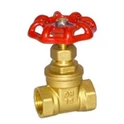
When it comes to ensuring the efficient and reliable operation of a 200 WOG globe valve, selecting the right gasket is crucial. As a trusted supplier of 200 WOG globe valves, I understand the significance of this choice and the impact it can have on the overall performance of the valve. In this blog post, I will share some essential insights and considerations to help you choose the most suitable gasket for your 200 WOG globe valve.
Understanding 200 WOG Globe Valves
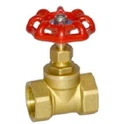
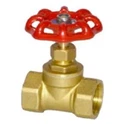
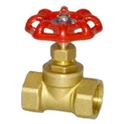
Before delving into gasket selection, it's important to have a clear understanding of what a 200 WOG globe valve is. "WOG" stands for Water, Oil, and Gas, and 200 WOG indicates that the valve is designed to handle a maximum working pressure of 200 psi for water, oil, and gas applications. Globe valves are commonly used in various industries to control the flow of fluids by regulating the position of a disk against a seat. They are known for their excellent throttling capabilities and are often preferred for applications where precise flow control is required.
Importance of a Proper Gasket
A gasket is a crucial component in a valve assembly as it provides a seal between two mating surfaces, preventing leakage of the fluid being controlled. In the case of a 200 WOG globe valve, the gasket must be able to withstand the pressure and temperature conditions of the application while maintaining a tight seal. A poorly chosen gasket can lead to leaks, which not only result in fluid loss but can also pose safety hazards and cause damage to the surrounding equipment.
Factors to Consider When Choosing a Gasket
1. Material Compatibility
The first and most important factor to consider when choosing a gasket for a 200 WOG globe valve is material compatibility. The gasket material must be compatible with the fluid being handled by the valve to prevent chemical reactions that could lead to degradation of the gasket and subsequent leakage. For example, if the valve is used to control the flow of water, a gasket made of a material such as rubber or neoprene may be suitable. However, if the valve is handling oil or a corrosive chemical, a more chemically resistant material such as PTFE or graphite may be required.
2. Pressure and Temperature Ratings
The pressure and temperature ratings of the gasket must match or exceed the operating conditions of the 200 WOG globe valve. The gasket should be able to withstand the maximum pressure and temperature that the valve is likely to encounter without losing its sealing properties. It's important to note that the pressure and temperature ratings of a gasket can vary depending on the material and design, so it's essential to consult the manufacturer's specifications to ensure that the gasket is suitable for your application.
3. Gasket Design
The design of the gasket also plays a crucial role in its performance. There are several different types of gasket designs available, including flat gaskets, spiral wound gaskets, and ring gaskets. Each design has its own advantages and disadvantages, and the choice of gasket design will depend on the specific requirements of your application. For example, flat gaskets are simple and cost-effective, but they may not provide as good a seal as spiral wound gaskets in high-pressure applications.
4. Size and Thickness
The size and thickness of the gasket must be carefully selected to ensure a proper fit between the valve and the mating surfaces. A gasket that is too small may not provide a sufficient seal, while a gasket that is too large may cause the valve to bind or leak. The thickness of the gasket also affects its sealing performance, as a thicker gasket may be able to withstand higher pressures but may also be more difficult to compress.
5. Installation and Maintenance
Finally, it's important to consider the installation and maintenance requirements of the gasket. Some gaskets may require special tools or techniques for installation, while others may be more forgiving. Additionally, the maintenance requirements of the gasket should be taken into account, as some gaskets may need to be replaced more frequently than others.
Recommended Gasket Materials for 200 WOG Globe Valves
Based on the factors discussed above, here are some recommended gasket materials for 200 WOG globe valves:
1. Rubber
Rubber gaskets are a popular choice for 200 WOG globe valves due to their excellent sealing properties and relatively low cost. They are available in a variety of materials, including natural rubber, neoprene, and EPDM, each with its own unique properties and applications. Rubber gaskets are suitable for applications where the fluid being handled is water or a non-corrosive liquid.
2. PTFE
PTFE (Polytetrafluoroethylene) gaskets are known for their excellent chemical resistance and low friction properties. They are suitable for applications where the fluid being handled is a corrosive chemical or a high-temperature fluid. PTFE gaskets are also resistant to aging and weathering, making them a durable choice for long-term applications.
3. Graphite
Graphite gaskets are a good choice for high-pressure and high-temperature applications. They are made from compressed graphite, which provides excellent sealing properties and resistance to heat and chemicals. Graphite gaskets are also self-lubricating, which helps to reduce friction and wear on the valve components.


Product Recommendations
As a 200 WOG globe valve supplier, I also offer a range of high-quality globe valves that are designed to meet the needs of various applications. Here are some of our popular products:
- PPR Brass Globe Valve: This valve is made of high-quality brass and PPR materials, providing excellent corrosion resistance and durability. It is suitable for use in water supply systems, heating systems, and other applications.
- United Brass Globe Valve: This valve is designed for use in high-pressure and high-temperature applications. It is made of high-quality brass and features a durable construction that ensures long-term reliability.
- Round Handwheel Brass Globe Valve 1/2": This valve is a compact and easy-to-use option for small-scale applications. It is made of high-quality brass and features a round handwheel for easy operation.
Conclusion
Choosing the right gasket for a 200 WOG globe valve is a critical decision that can have a significant impact on the performance and reliability of the valve. By considering factors such as material compatibility, pressure and temperature ratings, gasket design, size and thickness, and installation and maintenance requirements, you can select the most suitable gasket for your application. As a trusted supplier of 200 WOG globe valves, I am committed to providing high-quality products and expert advice to help you make the right choice. If you have any questions or need further assistance with gasket selection or valve installation, please feel free to contact me. I look forward to working with you to ensure the success of your project.
References
- Valve Handbook, 4th Edition, by Robert W. McKetta
- ASME B16.20 - Metallic Gaskets for Pipe Flanges
- ASTM Standards for Gasket Materials