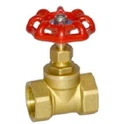
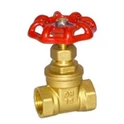
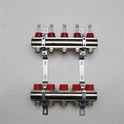
Hey there! As a supplier of Ball Union Valves, I've seen firsthand the challenges that cold environments can pose to these essential components. Freezing can cause all sorts of problems, from reduced functionality to complete valve failure. So, in this blog, I'm gonna share some practical tips on how to prevent the freezing of Ball Union Valves in cold weather.
Understanding the Problem
First things first, let's talk about why Ball Union Valves freeze in cold environments. When the temperature drops below freezing, the water inside the valve can turn into ice. As water freezes, it expands, and this expansion can put a lot of pressure on the valve components. This pressure can lead to cracks in the valve body, damage to the seals, and even cause the valve to jam.
Insulation
One of the most effective ways to prevent freezing is through proper insulation. Insulating your Ball Union Valves can help maintain a more stable temperature inside the valve, reducing the risk of freezing. You can use a variety of insulation materials, such as foam pipe insulation or heat tape.
Foam pipe insulation is a popular choice because it's easy to install and relatively inexpensive. You can simply wrap the insulation around the valve and secure it with tape. Make sure to cover the entire valve, including the handle and any exposed pipes.
Heat tape is another option. It's a self - regulating electrical heating element that can be wrapped around the valve. The heat tape will automatically adjust its temperature based on the surrounding conditions, keeping the valve warm enough to prevent freezing. However, when using heat tape, make sure to follow the manufacturer's instructions carefully to avoid any safety hazards.
Drainage
Proper drainage is also crucial in preventing valve freezing. If there's standing water inside the valve, it's more likely to freeze. To ensure good drainage, make sure the valve is installed at a slight angle so that water can flow out easily. If possible, install a drain valve near the Ball Union Valve. This allows you to drain any excess water before the temperature drops.
Before the onset of cold weather, it's a good idea to open the drain valve and let the water out. You can also use compressed air to blow out any remaining water in the valve and pipes. This will significantly reduce the risk of freezing.
Heat Tracing
Heat tracing is a more advanced method of preventing valve freezing. It involves installing a heating cable along the length of the valve and the connected pipes. The heating cable is controlled by a thermostat, which turns the heat on and off as needed to maintain a set temperature.
Heat tracing is particularly useful in areas where the temperature drops very low or where the valves are exposed to the elements for long periods. It provides a reliable and consistent source of heat, ensuring that the valve stays above the freezing point.
Regular Maintenance
Regular maintenance is essential for keeping your Ball Union Valves in good working condition, especially in cold environments. Inspect the valves regularly for any signs of damage, such as cracks or leaks. If you notice any issues, repair or replace the valve immediately.
Lubricate the valve components regularly to ensure smooth operation. This will prevent the valve from seizing up due to cold temperatures. Use a high - quality lubricant that's suitable for use in cold conditions.


Choosing the Right Valve
When it comes to preventing freezing, choosing the right type of Ball Union Valve is also important. For example, some valves are designed with special features that make them more resistant to freezing.
The PPR Nickel Plated Ball Valve is a great option. The nickel plating provides an extra layer of protection against corrosion, which can be exacerbated by freezing conditions. It also has a durable construction that can withstand the pressure changes caused by freezing water.
The Ball Valve for Temperature Measurement is another interesting choice. It allows you to monitor the temperature inside the valve, which can help you take preventive measures before the water freezes.
The Aluminum - Plastic Tube Ball Valve is lightweight and has good insulation properties. This can help reduce the heat loss from the valve, making it less likely to freeze.
Monitoring
Finally, monitoring the temperature around the Ball Union Valves is a smart move. You can use a thermometer or a temperature sensor to keep an eye on the temperature. If the temperature starts to approach the freezing point, you can take immediate action, such as increasing the insulation or turning on the heat tracing.
In conclusion, preventing the freezing of Ball Union Valves in cold environments requires a combination of insulation, drainage, heat tracing, regular maintenance, and the right valve selection. By following these tips, you can ensure that your valves continue to function properly even in the coldest of conditions.
If you're in the market for high - quality Ball Union Valves or need more advice on preventing valve freezing, feel free to reach out. We're here to help you find the best solutions for your needs. Whether you're a homeowner, a contractor, or an industrial user, we've got the products and expertise to keep your systems running smoothly. Contact us to start a purchase negotiation and find the perfect valves for your application.
References
- "Valve Handbook: A Guide to Valve Selection and Application", various authors
- Manufacturer's manuals for Ball Union Valves
- Industry standards and guidelines for valve installation and maintenance in cold environments