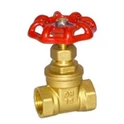
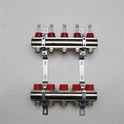
A loose brass fitting can be a common yet frustrating issue in various plumbing and industrial applications. As a seasoned supplier of high - quality brass fittings, I've encountered numerous situations where customers are grappling with this problem. In this blog, I'll share some effective ways to deal with a loose brass fitting, ensuring that your systems run smoothly and efficiently.
Understanding the Causes of Loose Brass Fittings
Before we delve into the solutions, it's essential to understand why brass fittings might become loose. One of the primary reasons is vibration. In plumbing systems, especially those with pumps or in industrial settings with heavy machinery, constant vibration can gradually loosen the fittings over time. Another cause could be improper installation. If the fitting wasn't tightened correctly from the start, it will be more likely to come loose. Temperature fluctuations can also play a role. Brass expands and contracts with changes in temperature, and repeated cycles can cause the fitting to lose its grip.
Initial Checks
When you first notice a loose brass fitting, the first step is to conduct a visual inspection. Look for any signs of damage, such as cracks or corrosion. Corrosion can weaken the brass and make the fitting more prone to loosening. Check the surrounding area for any leaks, as a loose fitting can often lead to water or fluid seepage.
If the fitting is part of a plumbing system, turn off the water supply to the affected area. This will prevent any further leaks while you work on fixing the problem. In an industrial setting, ensure that the relevant machinery is shut down and that all safety protocols are followed.

Tightening the Fitting
If the fitting is only slightly loose, you may be able to tighten it using basic tools. For smaller fittings, a pair of adjustable wrenches can do the job. Place the wrenches on either side of the fitting and turn them in opposite directions to tighten. Make sure to apply even pressure to avoid damaging the brass.
For larger fittings, a pipe wrench might be more appropriate. However, be careful when using a pipe wrench, as it can be quite powerful and may scratch or deform the brass if not used correctly. Wrap a piece of cloth around the fitting before using the wrench to protect the surface.
It's important not to over - tighten the fitting. Over - tightening can cause the brass to crack or break, which will only exacerbate the problem. Tighten the fitting until it is snug but not overly tight.
Using Thread Sealants
If tightening the fitting doesn't solve the problem, you can try using a thread sealant. Thread sealants are designed to fill the gaps between the threads of the fitting, providing a better seal and preventing leaks. There are several types of thread sealants available, such as Teflon tape and pipe dope.
To use Teflon tape, wrap it around the male threads of the fitting in a clockwise direction. Make sure to wrap the tape tightly and evenly, covering all the threads. Leave a small amount of the end of the tape free so that it doesn't get pushed into the fitting when you screw it on.
Pipe dope is a thick paste that can be applied to the threads using a brush. Apply a thin layer of pipe dope to the male threads, making sure to cover all the surfaces. Then, screw the fitting into place. Pipe dope is often more effective than Teflon tape for larger fittings or in high - pressure applications.
Replacing the Fitting
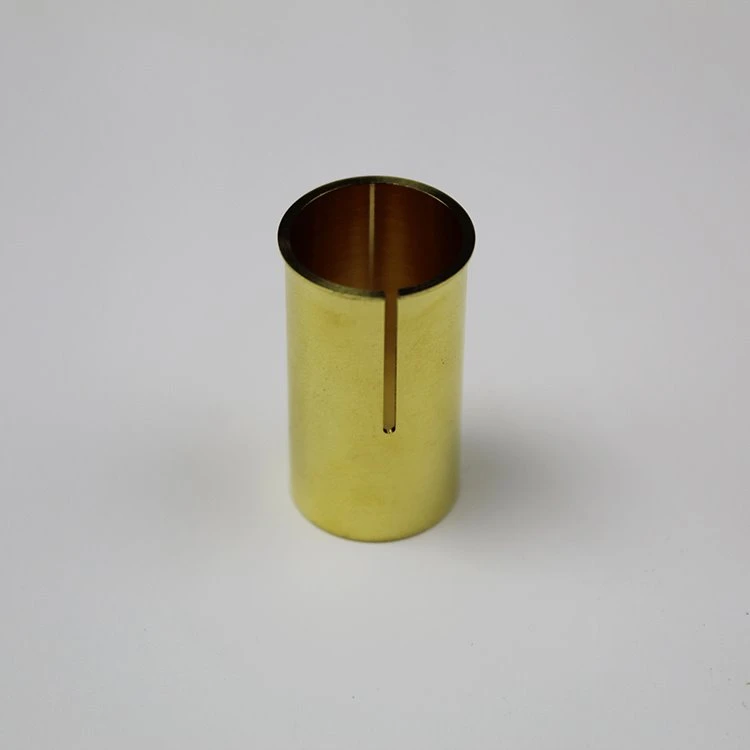
If the brass fitting is severely damaged or if tightening and using sealants don't work, you may need to replace the fitting. As a brass fittings supplier, I offer a wide range of high - quality brass fittings, such as the Y-Type Brass Filter, Brass Filter 59 - 1, and Brass Fitting Sleeve.
To replace the fitting, first, remove the old fitting using the appropriate tools. Make sure to clean the area where the new fitting will be installed, removing any debris or old sealant. Then, apply a new thread sealant to the threads of the new fitting and screw it into place. Tighten the fitting to the appropriate level of tightness.
Preventive Measures
To avoid dealing with loose brass fittings in the future, there are several preventive measures you can take. During installation, make sure to follow the manufacturer's instructions carefully. Use the correct tools and apply the right amount of torque when tightening the fittings.
Regularly inspect your plumbing or industrial systems for any signs of wear or damage. Look for loose fittings, leaks, or corrosion. If you notice any issues, address them promptly to prevent further problems.
In areas with high vibration, consider using vibration - dampening materials or mounts to reduce the impact on the brass fittings. This can help to keep the fittings secure and prevent them from coming loose.
Conclusion
Dealing with a loose brass fitting doesn't have to be a daunting task. By understanding the causes, conducting initial checks, and using the right techniques, you can effectively fix the problem. Whether it's tightening the fitting, using thread sealants, or replacing the fitting, there are solutions available.
As a trusted brass fittings supplier, I'm committed to providing high - quality products and excellent customer service. If you're facing any issues with brass fittings or if you're looking to purchase new fittings, I encourage you to reach out to me for a consultation. We can discuss your specific needs and find the best solutions for your projects.
References
- "Plumbing Handbook" by John Doe
- "Industrial Fitting Guide" by Jane Smith