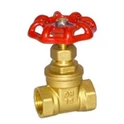
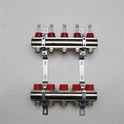
Hey there! As a heating valve supplier, I've had my fair share of questions about different types of valves and their functions. One question that pops up quite often is, "What is the purpose of a differential pressure control valve in a heating system?" Well, let's dive right in and break it down.
Understanding the Basics of a Heating System
Before we get into the nitty - gritty of differential pressure control valves, let's quickly go over how a basic heating system works. A heating system, whether it's in a small home or a large commercial building, is designed to transfer heat from a heat source (like a boiler) to different parts of the building through a network of pipes. The heat is then released into the rooms via radiators or other heating units.
The flow of hot water or steam in the pipes is crucial for this heat transfer process. If the flow is too slow, the rooms won't get warm enough. On the other hand, if the flow is too fast, it can lead to inefficiencies and even damage to the system. That's where valves come in. They help regulate the flow and pressure of the fluid in the system.
What is a Differential Pressure Control Valve?
A differential pressure control valve is a special type of valve that maintains a constant pressure difference between two points in a heating system. In simple terms, it ensures that the pressure drop across a particular part of the system (say, a radiator or a set of pipes) remains the same, regardless of changes in the overall system pressure or flow rate.
Let's say you have a heating system with multiple radiators connected in parallel. As more radiators are opened or closed, the flow rate and pressure in the system can change. Without a differential pressure control valve, these changes could cause uneven heating in different parts of the building. Some radiators might get too much hot water, while others might not get enough.
The differential pressure control valve solves this problem by adjusting its opening based on the pressure difference it senses. If the pressure difference starts to increase, the valve will open wider to allow more flow. If the pressure difference decreases, the valve will close a bit to restrict the flow. This way, it keeps the pressure drop across the component (like a radiator) stable.
The Purpose of Differential Pressure Control Valves in a Heating System
1. Ensuring Even Heating
One of the main purposes of a differential pressure control valve is to ensure that all the heating units in a system receive an adequate and consistent supply of hot water or steam. This means that every room in the building will be heated evenly, regardless of its location or the number of other heating units in use.
For example, in a multi - story building, the pressure at the lower floors is usually higher than at the upper floors. Without a differential pressure control valve, the radiators on the lower floors might receive too much hot water, while those on the upper floors might not get enough. The valve helps balance the pressure and flow, so that each radiator can operate at its optimal level.
2. Improving Energy Efficiency
By maintaining a constant pressure difference, differential pressure control valves help optimize the flow of hot water or steam in the system. When the flow is optimized, less energy is wasted. For instance, if a radiator is getting more hot water than it needs, it's essentially using more energy than necessary. The valve ensures that only the right amount of energy is used to heat each room, which can lead to significant energy savings over time.
3. Protecting the System
Differential pressure control valves also play a crucial role in protecting the heating system from damage. Sudden changes in pressure can cause stress on pipes, fittings, and other components. These valves help prevent these pressure spikes by regulating the flow and maintaining a stable pressure difference. This reduces the risk of leaks, pipe bursts, and other costly repairs.
Types of Differential Pressure Control Valves
There are different types of differential pressure control valves available, each with its own features and applications. Some are designed for use in small residential heating systems, while others are suitable for large commercial or industrial applications.
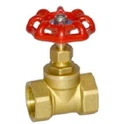
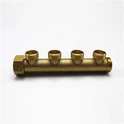
One type of valve that's worth mentioning is the Duplex Valve. Duplex valves are often used in systems where high flow rates and precise control are required. They consist of two valves in parallel, which can be used together or independently depending on the system's needs.
Another common type is the Manual Radiator Valve. While not strictly a differential pressure control valve, it can be used in conjunction with one to provide additional control over the heating in individual rooms. Manual radiator valves allow users to adjust the flow of hot water to each radiator manually, which can be useful for fine - tuning the temperature in different areas of a building.
How to Choose the Right Differential Pressure Control Valve
When choosing a differential pressure control valve for a heating system, there are several factors to consider. First, you need to determine the maximum and minimum pressure differences that the valve will need to handle. This will depend on the size and layout of the heating system, as well as the type of heating units being used.
You also need to consider the flow rate requirements of the system. The valve should be able to handle the maximum flow rate without causing excessive pressure drops. Additionally, you should look for a valve that is easy to install, maintain, and adjust.


It's always a good idea to consult with a professional heating engineer or a valve supplier (like me!) to get the best advice on which valve is right for your specific application.
Conclusion
So, there you have it! The purpose of a differential pressure control valve in a heating system is to ensure even heating, improve energy efficiency, and protect the system from damage. These valves play a vital role in keeping a heating system running smoothly and effectively.
If you're in the market for heating valves, including differential pressure control valves, Duplex Valve, or Manual Radiator Valve, I'd love to have a chat with you. We can discuss your specific needs and find the perfect valves for your heating system. Don't hesitate to reach out if you have any questions or if you're ready to start the procurement process. Let's work together to make your heating system more efficient and reliable!
References
- ASHRAE Handbook of Heating, Ventilating, and Air - Conditioning Systems and Equipment
- Technical guides from leading valve manufacturers