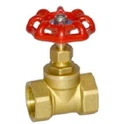
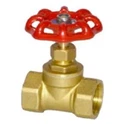
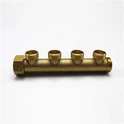
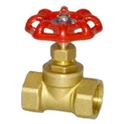
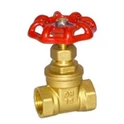
Hey there! I'm a supplier of Filter Ball Valves, and I know how crucial it is to pick the right filter element for these valves. It can make a huge difference in the performance and longevity of your filtration system. So, let's dive into how you can select the perfect filter element for your Filter Ball Valve.
Understanding Your Filtration Needs
First things first, you gotta figure out what you're trying to filter. Are you dealing with water, oil, gas, or some other fluid? Different fluids have different characteristics, like viscosity, temperature, and the type of contaminants they carry. For example, if you're filtering water in a residential plumbing system, you might be looking to remove sediment, rust, and chlorine. On the other hand, if you're in an industrial setting filtering oil, you could be dealing with much finer particles and higher temperatures.
The size and type of contaminants are also important. If you're trying to catch large debris, you'll need a filter element with a coarser mesh. But if you're aiming for fine filtration, like removing bacteria or tiny particles in a pharmaceutical process, you'll need a much finer filter.
Compatibility with the Filter Ball Valve
Not all filter elements are compatible with every Filter Ball Valve. You need to consider the valve's specifications, such as its size, connection type, and operating pressure. The filter element should fit snugly into the valve housing without any leaks. Make sure to check the manufacturer's recommendations for compatible filter elements.
For instance, if your Filter Ball Valve has a specific thread size for the filter housing, you need to find a filter element with the matching thread. Using an incompatible filter can lead to poor performance, leaks, and even damage to the valve.
Flow Rate Requirements
The flow rate is how much fluid can pass through the filter in a given amount of time. You need to select a filter element that can handle the required flow rate of your system. If the flow rate is too high for the filter element, it can cause excessive pressure drop, which means the system has to work harder to push the fluid through. This can lead to higher energy costs and potentially damage the valve and other components.
On the other hand, if the flow rate is too low, the system might not be able to meet the demand. You can calculate the required flow rate based on your application. For example, in a water treatment plant, you'll need to know how much water needs to be filtered per hour to determine the appropriate filter element.
Filtration Efficiency
Filtration efficiency is a measure of how well the filter element can remove contaminants from the fluid. It's usually expressed as a percentage. A higher filtration efficiency means the filter can remove more contaminants. However, a very high-efficiency filter might also have a lower flow rate and a shorter lifespan, as it gets clogged more quickly.
You need to find a balance between filtration efficiency and flow rate based on your specific needs. For critical applications, like in a medical device where high purity is required, you might prioritize high filtration efficiency. But in a less sensitive application, like a simple irrigation system, you might be able to accept a slightly lower efficiency for a higher flow rate.
Material of the Filter Element
The material of the filter element plays a big role in its performance and durability. Common materials include stainless steel, polyester, and cellulose. Stainless steel is known for its strength, corrosion resistance, and ability to handle high temperatures. It's a great choice for industrial applications where the fluid is aggressive or the operating conditions are harsh.


Polyester filters are often used for their high filtration efficiency and good chemical resistance. They're also relatively lightweight and easy to clean. Cellulose filters are more economical and are commonly used in applications where the filtration requirements aren't too strict, like in some home HVAC systems.
Cost Considerations
Cost is always a factor when selecting a filter element. You need to balance the initial cost of the filter with its long-term performance and maintenance requirements. A cheaper filter might save you money upfront, but it could have a shorter lifespan and require more frequent replacements, which can add up over time.
On the other hand, a more expensive filter might have a longer lifespan, higher filtration efficiency, and better compatibility with your system, which could save you money in the long run. Consider the total cost of ownership, including the cost of the filter, replacement frequency, and any additional maintenance or energy costs.
Checking for Quality and Certifications
When choosing a filter element, it's important to make sure it meets the necessary quality standards and certifications. Look for filters that are certified by recognized organizations, such as ISO or NSF. These certifications ensure that the filter has been tested and meets certain performance and safety criteria.
You can also check the manufacturer's reputation. A well-established manufacturer with a good track record is more likely to produce high-quality filter elements. Read customer reviews and testimonials to get an idea of the filter's performance in real-world applications.
Some Examples of Related Products
If you're interested in other types of ball valves, we also offer Forged Brass Ball Valve, Ball Union Valves, and Fire Reel Ball Valve. These valves have their own unique features and applications, and they can be a great addition to your filtration or fluid control system.
Wrapping Up and Getting in Touch
Selecting the right filter element for your Filter Ball Valve is a crucial decision that can impact the performance and efficiency of your system. By considering factors like your filtration needs, compatibility, flow rate, filtration efficiency, material, cost, and quality, you can make an informed choice.
If you have any questions or need help selecting the right filter element or valve for your application, don't hesitate to reach out. We're here to assist you in finding the best solutions for your filtration needs. Let's start a conversation and see how we can work together to improve your system's performance.
References
- "Filtration Handbook" by Christopher D. Hodgson
- Various industry standards and guidelines related to filtration and valve technology.