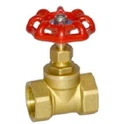
Measuring the opening and closing torque of a PP - R gate valve is a crucial aspect in the valve industry, especially for a PP - R Gate Valve supplier like me. Understanding the torque values helps ensure the proper functioning, reliability, and safety of the valves. In this blog, I will share detailed information on how to measure the opening and closing torque of a PP - R gate valve.
Why Measuring Torque is Important
Before delving into the measurement process, it's essential to understand why measuring the opening and closing torque of a PP - R gate valve is so important. The torque value reflects the force required to open or close the valve. If the torque is too high, it may indicate issues such as improper installation, internal blockage, or excessive friction within the valve. On the other hand, if the torque is too low, the valve may not seal properly, leading to leakage. Therefore, accurate torque measurement is vital for quality control, performance evaluation, and troubleshooting.
Tools Required for Measuring Torque
To measure the opening and closing torque of a PP - R gate valve, you will need the following tools:
- Torque Wrench: A torque wrench is a precision tool used to apply a specific amount of torque to a fastener. It is essential for accurately measuring the torque required to open and close the valve. Make sure to choose a torque wrench with a suitable range for the expected torque values of the PP - R gate valve.
- Valve Actuator: In some cases, a valve actuator may be required to operate the valve. The actuator can be manual, electric, pneumatic, or hydraulic, depending on the application. The actuator should be capable of providing a smooth and controlled operation to ensure accurate torque measurement.
- Mounting Fixture: A mounting fixture is used to hold the valve securely in place during the torque measurement process. It should be designed to prevent any movement or vibration of the valve, which could affect the accuracy of the measurement.
- Data Logger: A data logger can be used to record the torque values during the opening and closing process. This allows for a more detailed analysis of the torque characteristics and helps identify any potential issues.
Preparation for Torque Measurement
Before starting the torque measurement, it is important to prepare the valve and the measurement equipment properly. Here are the steps to follow:

- Inspect the Valve: Carefully inspect the PP - R gate valve for any visible damage, such as cracks, scratches, or deformation. Make sure the valve is clean and free of any debris or contaminants that could affect the torque measurement.
- Install the Valve: Install the valve in the mounting fixture according to the manufacturer's instructions. Ensure that the valve is properly aligned and tightened to prevent any leakage or movement during the measurement process.
- Calibrate the Torque Wrench: Calibrate the torque wrench using a calibration device to ensure its accuracy. Follow the manufacturer's instructions for the calibration process and record the calibration results.
- Set up the Data Logger: If using a data logger, set it up to record the torque values at a suitable sampling rate. Make sure the data logger is properly connected to the torque wrench and configured to record the data in the desired format.
Measuring the Opening Torque
Once the valve and the measurement equipment are prepared, you can start measuring the opening torque. Here are the steps to follow:
- Position the Torque Wrench: Attach the torque wrench to the valve stem or the actuator in a way that allows for a smooth and controlled operation. Make sure the torque wrench is properly aligned with the valve stem to prevent any misalignment or binding.
- Apply Torque Slowly: Slowly apply torque to the valve stem using the torque wrench. Start from a low torque value and gradually increase it until the valve begins to open. Pay close attention to the torque reading on the torque wrench and record the maximum torque value required to open the valve.
- Record the Opening Torque: Once the valve is fully open, record the opening torque value. Make sure to record the value accurately and note any relevant information, such as the time, temperature, and pressure conditions during the measurement.
- Repeat the Measurement: Repeat the opening torque measurement at least three times to ensure the accuracy and consistency of the results. Calculate the average opening torque value based on the recorded measurements.
Measuring the Closing Torque
After measuring the opening torque, you can proceed to measure the closing torque. Here are the steps to follow:
- Position the Torque Wrench: Attach the torque wrench to the valve stem or the actuator in the same way as for the opening torque measurement. Make sure the torque wrench is properly aligned with the valve stem to prevent any misalignment or binding.
- Apply Torque Slowly: Slowly apply torque to the valve stem using the torque wrench in the opposite direction to close the valve. Start from a low torque value and gradually increase it until the valve is fully closed. Pay close attention to the torque reading on the torque wrench and record the maximum torque value required to close the valve.
- Record the Closing Torque: Once the valve is fully closed, record the closing torque value. Make sure to record the value accurately and note any relevant information, such as the time, temperature, and pressure conditions during the measurement.
- Repeat the Measurement: Repeat the closing torque measurement at least three times to ensure the accuracy and consistency of the results. Calculate the average closing torque value based on the recorded measurements.
Analyzing the Torque Measurement Results
After completing the torque measurement, it is important to analyze the results to determine the performance of the PP - R gate valve. Here are some key points to consider:
- Compare with Specifications: Compare the measured opening and closing torque values with the manufacturer's specifications. If the measured values are within the specified range, the valve is considered to be performing properly. If the values are outside the specified range, further investigation may be required to identify the cause of the deviation.
- Check for Consistency: Check the consistency of the torque values during the opening and closing process. A significant variation in the torque values may indicate a problem with the valve, such as a worn - out seat, a misaligned stem, or a damaged actuator.
- Look for Trends: Analyze the torque values over time to identify any trends or patterns. A gradual increase in the torque values may indicate a build - up of debris or corrosion within the valve, while a sudden change in the torque values may indicate a mechanical failure.
Factors Affecting Torque Measurement
Several factors can affect the accuracy of the torque measurement of a PP - R gate valve. Here are some of the key factors to consider:
- Temperature: The temperature can have a significant impact on the torque values of a PP - R gate valve. As the temperature increases, the material of the valve may expand, resulting in an increase in the friction and the torque required to operate the valve. Conversely, as the temperature decreases, the material may contract, leading to a decrease in the torque values.
- Pressure: The pressure within the valve can also affect the torque values. Higher pressures can increase the force required to open and close the valve, especially if there is a significant differential pressure across the valve.
- Lubrication: Proper lubrication of the valve components can reduce the friction and the torque required to operate the valve. Make sure to use a suitable lubricant recommended by the valve manufacturer and apply it according to the instructions.
- Valve Design: The design of the valve, including the type of seat, stem, and actuator, can also affect the torque values. Different valve designs may have different torque characteristics, so it is important to consider the specific design of the PP - R gate valve when measuring the torque.
Conclusion
Measuring the opening and closing torque of a PP - R gate valve is an important process for ensuring the proper functioning, reliability, and safety of the valve. By following the steps outlined in this blog and using the appropriate tools and equipment, you can accurately measure the torque values and analyze the performance of the valve. As a PP - R Gate Valve supplier, I understand the importance of providing high - quality valves with accurate torque characteristics. If you are interested in PP - R Gate Valve, Customized Brass Gate Valve, or Brass Gate Valve 1/2", please feel free to contact me for more information and to discuss your specific requirements. We are committed to providing you with the best products and services to meet your needs.
References
- Valve Handbook, 4th Edition, by Robert W. Smith
- ASME B16.34 - 2017, Valves - Flanged, Threaded, and Welding End
- ISO 5208 - 2015, Industrial valves - Pressure testing of valves