Hey there! As a supplier of brass valve bodies, I've been getting a lot of questions lately about the flow characteristics of these nifty little components. So, I thought I'd take a few minutes to break it down for you.
First off, let's talk about what a brass valve body is. In simple terms, it's the housing that contains all the internal parts of a valve. It's usually made of brass, which is an alloy of copper and zinc. Brass is a popular choice for valve bodies because it's corrosion-resistant, durable, and has good machinability.
Now, let's get into the flow characteristics. The flow characteristics of a brass valve body refer to how fluid (like water, gas, or oil) moves through the valve. There are a few key factors that affect these characteristics:
Size and Shape of the Valve Body
The size and shape of the valve body play a huge role in determining how fluid flows through it. A larger valve body generally allows for a higher flow rate because there's more space for the fluid to pass through. For example, a big industrial valve body can handle a much larger volume of water compared to a small valve used in a household plumbing system.
The shape of the valve body also matters. Valves with smooth, rounded interiors tend to have better flow characteristics than those with sharp corners or rough surfaces. Sharp corners can cause turbulence, which slows down the flow of the fluid and can even lead to pressure drops.
Type of Valve
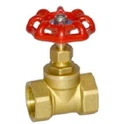
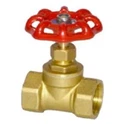
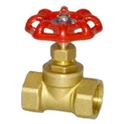
There are different types of valves, and each type has its own unique flow characteristics. Some common types of valves include ball valves, gate valves, and globe valves.


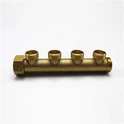
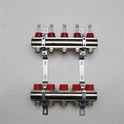
- Ball Valves: Ball valves are known for their excellent flow characteristics. They have a spherical disc (the ball) with a hole in the middle. When the valve is open, the hole aligns with the flow path, allowing fluid to pass through with minimal resistance. This makes ball valves great for applications where a high flow rate is required. You can check out our Five Way Valve Body for more options in this category.
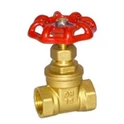
- Gate Valves: Gate valves are designed to either fully open or fully close the flow path. When the valve is open, the gate is lifted out of the way, providing a straight and unobstructed path for the fluid. This results in a relatively low-pressure drop and a high flow rate. However, gate valves aren't well-suited for throttling (partially opening the valve) because the gate can cause turbulence and damage to the valve.
- Globe Valves: Globe valves are often used for throttling applications. They have a movable disc that can be adjusted to control the flow of fluid. While globe valves are great for precise flow control, they generally have a higher pressure drop compared to ball and gate valves because the fluid has to change direction as it passes through the valve.
Internal Surface Finish
The internal surface finish of the brass valve body can also impact the flow characteristics. A smooth surface finish reduces friction between the fluid and the valve walls, allowing the fluid to flow more easily. On the other hand, a rough surface can cause the fluid to stick to the walls, creating turbulence and reducing the flow rate.
We offer Pickled Brass Valve Body which has a high - quality surface finish. The pickling process helps to remove any impurities and gives the valve body a smooth and clean interior, enhancing its flow performance.
Pressure and Temperature
The pressure and temperature of the fluid passing through the valve can also affect its flow characteristics. Higher pressures generally result in a higher flow rate, as the fluid is forced through the valve more quickly. However, if the pressure is too high, it can cause damage to the valve body or other components.
Temperature can also have an impact. For example, as the temperature of a fluid increases, its viscosity (thickness) usually decreases. This means that the fluid will flow more easily through the valve at higher temperatures.
Threaded Connections
The type of threaded connections on the valve body can influence the flow as well. Our External Thread Three - way Valve Body has external threads that are designed to ensure a tight and secure connection. A proper connection is crucial because any leaks or loose fittings can disrupt the flow of the fluid and lead to inefficiencies.
So, why does all this matter? Well, understanding the flow characteristics of a brass valve body is essential for choosing the right valve for your application. Whether you're working on a small DIY plumbing project or a large industrial installation, getting a valve with the right flow characteristics can make a big difference in the performance and efficiency of your system.
If you're in the market for a brass valve body and need help figuring out which one is best for your needs, don't hesitate to reach out. We've got a wide range of valve bodies with different flow characteristics to suit various applications. We can work with you to understand your requirements and recommend the perfect valve body for your project.
In conclusion, the flow characteristics of a brass valve body are influenced by multiple factors such as size, shape, valve type, surface finish, pressure, temperature, and threaded connections. By taking these factors into account, you can ensure that you get a valve body that provides optimal flow and performance.
If you're interested in discussing your valve body needs further or want to start a procurement process, just let us know. We're here to help you make the right choice and get the best value for your money.
References
- "Valve Handbook" - A comprehensive guide on valve technology and applications.
- "Fluid Mechanics" textbooks that cover the principles of fluid flow through different types of pipes and valves.