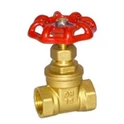
Can a brass valve spool be used in food - grade applications?
As a supplier of brass valve spools, I often encounter inquiries from customers regarding the suitability of brass valve spools for food - grade applications. This is a crucial question, as the safety and quality of food products are of utmost importance. In this blog, I will delve into the factors that determine whether a brass valve spool can be used in food - grade settings.
Composition of Brass and Potential Concerns
Brass is an alloy primarily composed of copper and zinc, with small amounts of other elements such as lead, tin, and iron. The presence of these elements can raise concerns when it comes to food - grade applications. Lead, in particular, is a well - known toxic substance. If a brass valve spool leaches lead into food or beverages, it can pose serious health risks, including neurological damage, especially in children and pregnant women.


The risk of lead leaching depends on several factors. The composition of the brass is the first factor. Some types of brass, known as lead - free brass, contain very low levels of lead (less than 0.25% in many standards). These lead - free brass alloys are designed to minimize the risk of lead contamination. However, traditional brass may contain up to 8% lead, which is clearly unacceptable for food - grade use.
Another factor is the environment in which the valve spool operates. Acidic foods and beverages can accelerate the leaching process. For example, fruit juices with a low pH can react with the brass surface and cause more metals to dissolve into the liquid. High - temperature conditions can also increase the rate of leaching.
Regulatory Requirements
To ensure the safety of food - grade applications, there are strict regulatory requirements in place. In the United States, the Food and Drug Administration (FDA) has established guidelines for materials that come into contact with food. These guidelines specify the allowable levels of various substances, including lead and other heavy metals.
In the European Union, the European Food Safety Authority (EFSA) and relevant national regulations also govern the use of materials in food contact. Products must comply with these regulations to be legally used in food - grade applications. As a brass valve spool supplier, it is our responsibility to ensure that our products meet these regulatory standards if they are intended for food - grade use.
Surface Treatment and Coating
Surface treatment and coating can play a significant role in making brass valve spools suitable for food - grade applications. A properly applied coating can act as a barrier between the brass and the food or beverage, preventing direct contact and reducing the risk of metal leaching.
One common surface treatment is passivation. Passivation involves treating the brass surface with a chemical solution to remove free iron and other contaminants, and to form a thin, protective oxide layer. This layer can enhance the corrosion resistance of the brass and reduce the likelihood of metal dissolution.
Another option is to apply a food - grade coating. There are various types of food - grade coatings available, such as epoxy coatings and ceramic coatings. These coatings are specifically designed to be non - toxic and resistant to the chemicals and conditions found in food processing environments.
Testing and Certification
To demonstrate the suitability of brass valve spools for food - grade applications, testing and certification are essential. Independent testing laboratories can conduct a series of tests to measure the leaching of metals from the brass spool under simulated food - contact conditions. These tests typically involve exposing the spool to different types of food simulants (such as acidic, alcoholic, and fatty solutions) for a specified period and then analyzing the concentration of metals in the simulant.
If a brass valve spool passes these tests and meets the regulatory requirements, it can be certified as suitable for food - grade use. This certification provides assurance to customers that the product is safe and compliant.
Our Offerings
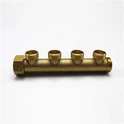
At our company, we understand the importance of providing high - quality brass valve spools for food - grade applications. We offer a range of Pickled Brass Spool that have been carefully selected and processed to meet the strictest safety standards. Our pickled brass spools undergo a thorough cleaning and passivation process to ensure a clean and corrosion - resistant surface.
In addition, we also have High - Quality Brass Spool made from lead - free brass alloys. These spools are designed to minimize the risk of lead leaching and are suitable for use in a wide range of food - grade applications. Our products are tested and certified by independent laboratories to ensure compliance with international regulatory requirements.
Conclusion
In conclusion, a brass valve spool can be used in food - grade applications, but only if certain conditions are met. The brass must have a low lead content, preferably be lead - free. Appropriate surface treatment and coating can further enhance the safety of the spool. Testing and certification are crucial to demonstrate compliance with regulatory standards.
If you are in the market for brass valve spools for food - grade applications, we invite you to contact us for more information. Our team of experts is ready to assist you in selecting the right product for your specific needs. We are committed to providing high - quality, safe, and compliant brass valve spools that meet the highest standards of the food industry.
References
- Food and Drug Administration (FDA). Guidelines for materials in contact with food.
- European Food Safety Authority (EFSA). Regulations on food contact materials.
- Scientific research papers on metal leaching from brass in food - contact environments.