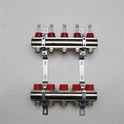
Manifolds are integral components in aerospace engineering, playing a crucial role in ensuring the efficient and reliable operation of various systems within an aircraft or spacecraft. As a leading manifold supplier, I have witnessed firsthand the diverse applications and significance of manifolds in this high - tech field. In this blog, I will delve into how manifolds are used in aerospace engineering and why they are indispensable.
Fluid Management in Aerospace
One of the primary applications of manifolds in aerospace is fluid management. Aircraft and spacecraft rely on a variety of fluids for different functions, such as fuel, hydraulic fluid, and coolant. Manifolds are used to distribute these fluids precisely to the necessary components.
Fuel Distribution
Fuel manifolds are responsible for delivering fuel from the fuel tanks to the engines. In a modern aircraft, the fuel system is complex, with multiple fuel tanks located throughout the aircraft. A well - designed fuel manifold ensures that fuel is evenly distributed to the engines, maintaining a consistent fuel flow rate. This is essential for engine performance and safety. For example, in a large commercial airliner, the fuel manifold must be able to supply fuel to multiple engines simultaneously, adjusting the flow based on the engine's demand during different flight phases, such as takeoff, cruise, and landing.
Hydraulic Fluid Distribution
Hydraulic systems are used in aerospace for a wide range of functions, including flight control surfaces, landing gear operation, and braking systems. Manifolds in hydraulic systems distribute hydraulic fluid to different actuators, allowing for precise control of these components. A hydraulic manifold can combine multiple fluid paths, reducing the number of hoses and connections in the system. This not only simplifies the design but also improves the reliability of the hydraulic system by minimizing the risk of leaks. For instance, in a fighter jet, the hydraulic manifold for the flight control surfaces needs to be highly responsive and accurate, enabling the pilot to make quick and precise maneuvers.
Coolant Distribution
Aerospace components, especially engines and electronic systems, generate a significant amount of heat during operation. Coolant manifolds are used to distribute coolant to these components, maintaining their temperature within a safe operating range. In a spacecraft, where heat dissipation is a critical challenge due to the vacuum environment, coolant manifolds play an even more vital role. They are designed to transfer heat efficiently from the heat - generating components to the radiators, where the heat can be dissipated into space.
Pneumatic Systems in Aerospace
Manifolds are also extensively used in pneumatic systems in aerospace. Pneumatic systems are used for functions such as cabin pressurization, de - icing, and engine starting.
Cabin Pressurization
In an aircraft flying at high altitudes, the cabin needs to be pressurized to provide a comfortable and safe environment for passengers and crew. A pneumatic manifold is used to distribute compressed air from the engines or auxiliary power unit to the cabin. The manifold controls the flow and pressure of the air, ensuring that the cabin pressure is maintained at a suitable level. This requires precise control, as sudden changes in cabin pressure can cause discomfort or even health problems for the occupants.
De - icing
Ice formation on the wings, tail, and other critical surfaces of an aircraft can significantly affect its aerodynamics and safety. Pneumatic de - icing systems use manifolds to distribute hot air to the leading edges of the wings and other surfaces. The hot air melts the ice, preventing it from accumulating and maintaining the aircraft's performance. The manifold must be able to direct the hot air effectively to all the necessary areas, ensuring complete de - icing.
Engine Starting
Pneumatic systems are often used to start aircraft engines. A manifold is used to distribute compressed air to the engine's starter motor. The manifold controls the timing and flow of the air, providing the necessary power to start the engine. This is a critical function, as a reliable engine start is essential for the safety and operation of the aircraft.
Electrical Systems in Aerospace
In addition to fluid and pneumatic systems, manifolds also have applications in electrical systems in aerospace. Electrical manifolds are used to distribute power and signals to different electrical components.
Power Distribution
Aerospace vehicles have a complex electrical system, with multiple electrical loads such as avionics, lighting, and communication systems. Electrical manifolds are used to distribute electrical power from the generators or batteries to these loads. They can combine and split electrical circuits, ensuring that each component receives the appropriate amount of power. For example, in a satellite, the electrical manifold distributes power from the solar panels to the various onboard systems, managing the power flow based on the system's requirements.
Signal Distribution
Electrical manifolds are also used to distribute signals between different electrical components. In an aircraft, the avionics system relies on a network of sensors and actuators, which communicate with each other through electrical signals. The manifold ensures that these signals are transmitted accurately and efficiently, enabling the proper functioning of the avionics system.
Importance of Manifold Design in Aerospace
The design of manifolds in aerospace is of utmost importance. Aerospace manifolds need to meet strict requirements in terms of performance, reliability, weight, and size.
Performance
Aerospace manifolds must be able to perform their functions accurately and efficiently. For fluid manifolds, this means providing a consistent flow rate and pressure. For pneumatic manifolds, it means controlling the flow and pressure of the air precisely. Electrical manifolds need to ensure reliable power and signal distribution. Any performance issues can have serious consequences for the safety and operation of the aerospace vehicle.
Reliability
Reliability is a critical factor in aerospace engineering. Manifolds are often located in harsh environments, such as high - temperature, high - pressure, and vibration - prone areas. They need to be able to withstand these conditions without failure. A single manifold failure can lead to the malfunction of an entire system, endangering the safety of the aircraft or spacecraft. Therefore, aerospace manifolds are designed and tested to meet high - reliability standards.
Weight and Size
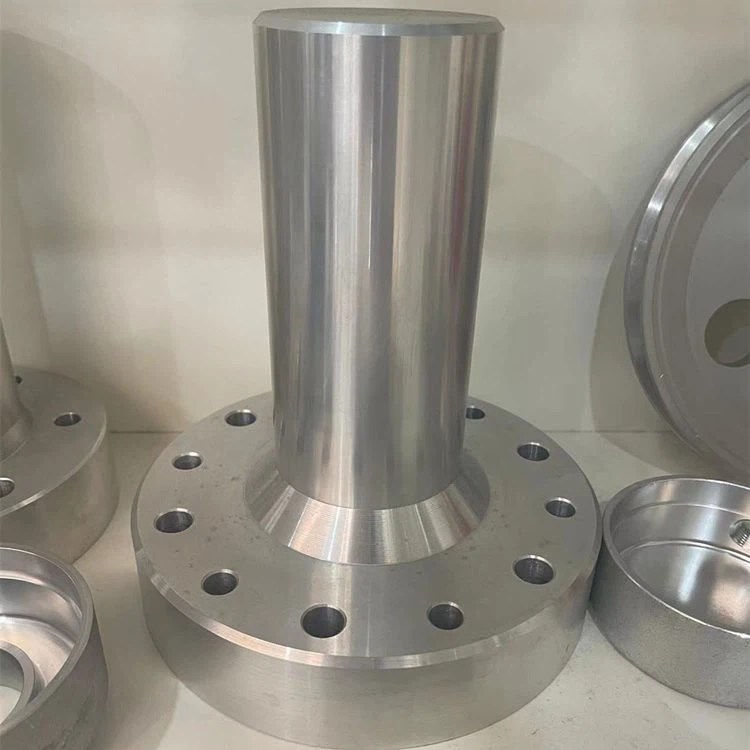
In aerospace, weight and size are crucial considerations. Every additional kilogram of weight can increase fuel consumption and reduce the aircraft's range or payload capacity. Manifolds are designed to be as lightweight and compact as possible without sacrificing performance or reliability. Advanced materials and manufacturing techniques are often used to achieve this goal.
Our Manifold Solutions as a Supplier
As a manifold supplier, we understand the unique requirements of aerospace engineering. We offer a wide range of manifolds for different aerospace applications, including fluid, pneumatic, and electrical manifolds.
Our fluid manifolds are designed with precision machining and high - quality materials to ensure accurate fluid distribution. We use advanced simulation techniques to optimize the design, reducing pressure drops and improving flow efficiency. Our pneumatic manifolds are engineered to provide precise control of air flow and pressure, meeting the strict requirements of aerospace pneumatic systems.
For electrical systems, we offer electrical manifolds that are reliable and efficient. Our manifolds are designed to handle high - voltage and high - current applications, ensuring safe and stable power and signal distribution. We also provide custom - designed manifolds to meet the specific needs of our aerospace customers.
In addition to our high - quality products, we also offer excellent customer service. Our team of experts is available to provide technical support and advice throughout the design, manufacturing, and installation process. We work closely with our customers to ensure that our manifolds meet their exact requirements and expectations.
Copper Wiring Terminal in Aerospace
In aerospace electrical systems, Copper Wiring Terminal is an important component. Copper wiring terminals are used to connect electrical wires to the electrical manifold or other electrical components. They provide a reliable and low - resistance connection, ensuring the efficient transmission of electrical power and signals. Our company also offers high - quality copper wiring terminals that are specifically designed for aerospace applications. These terminals are made of high - purity copper, which has excellent electrical conductivity. They are also designed to withstand the harsh environmental conditions in aerospace, such as high temperatures, vibration, and corrosion.
Contact Us for Your Aerospace Manifold Needs
If you are in the aerospace industry and are looking for high - quality manifolds for your projects, we invite you to contact us. Our team of experts is ready to discuss your requirements and provide you with the best manifold solutions. Whether you need a standard manifold or a custom - designed one, we have the expertise and capabilities to meet your needs. We are committed to providing you with reliable products and excellent service, ensuring the success of your aerospace projects.
References
- "Aerospace Engineering: An Introduction" by John J. Bertin and Russel M. Cummings.
- "Fluid Mechanics in Aerospace Engineering" by James E. John and Theodore G. Keith.
- "Pneumatic Systems in Aerospace" by David A. Swanson.
- "Electrical Systems in Aircraft" by Charles E. Miller.