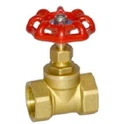
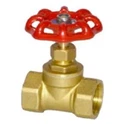
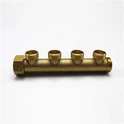
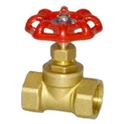
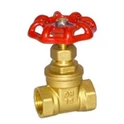
As a seasoned supplier of brass fittings, I'm excited to share the intricate production process of these essential components. Brass fittings are widely used in various industries, from plumbing to automotive, due to their excellent corrosion resistance, malleability, and durability. In this blog, I'll take you through each step of the production process, from raw material selection to the final product inspection.
Raw Material Selection
The first step in the production of brass fittings is the careful selection of raw materials. Brass is an alloy composed primarily of copper and zinc, with small amounts of other elements such as lead, tin, and aluminum. The quality of the raw materials directly affects the performance and quality of the final product.
We source high-quality copper and zinc from reputable suppliers to ensure the purity and consistency of our brass alloy. The copper content typically ranges from 55% to 95%, depending on the specific application and requirements of the fittings. Zinc is added to improve the strength, hardness, and corrosion resistance of the brass.
In addition to copper and zinc, we also carefully control the content of other elements to achieve the desired properties. For example, lead is often added in small amounts to improve the machinability of the brass, while tin can enhance the corrosion resistance in certain environments.
Melting and Casting
Once the raw materials are selected, they are melted together in a furnace at high temperatures. The melting process is carefully controlled to ensure the proper composition and uniformity of the brass alloy. The molten brass is then poured into molds to create the desired shape of the fittings.
There are several casting methods used in the production of brass fittings, including sand casting, investment casting, and die casting. Sand casting is a traditional method that involves pouring molten brass into a sand mold. This method is suitable for producing large and complex-shaped fittings. Investment casting, also known as lost-wax casting, is a more precise method that involves creating a wax pattern of the fitting, coating it with a ceramic shell, and then melting the wax to leave a cavity for the molten brass. Die casting is a high-pressure casting method that uses a steel die to shape the molten brass. This method is suitable for producing small and high-volume fittings with high precision.
Machining
After the casting process, the brass fittings are usually rough and need to be machined to achieve the required dimensions and surface finish. Machining operations include turning, milling, drilling, and threading.
Turning is a process that involves rotating the fitting on a lathe and using a cutting tool to remove material from the outer surface. This process is used to create cylindrical shapes and smooth surfaces. Milling is a process that involves using a rotating cutter to remove material from the surface of the fitting. This process is used to create flat surfaces, grooves, and pockets. Drilling is a process that involves using a drill bit to create holes in the fitting. Threading is a process that involves cutting threads on the inside or outside of the fitting to allow for connection with other components.
Heat Treatment
Heat treatment is an important step in the production of brass fittings to improve their mechanical properties, such as strength, hardness, and ductility. There are several heat treatment methods used for brass, including annealing, quenching, and tempering.
Annealing is a process that involves heating the brass fitting to a specific temperature and then slowly cooling it. This process relieves internal stresses, improves the ductility of the brass, and makes it easier to machine. Quenching is a process that involves heating the brass fitting to a high temperature and then rapidly cooling it in a quenching medium, such as water or oil. This process increases the hardness and strength of the brass. Tempering is a process that involves heating the quenched brass fitting to a lower temperature and then holding it at that temperature for a certain period of time. This process reduces the brittleness of the brass and improves its toughness.
Surface Treatment
Surface treatment is another important step in the production of brass fittings to improve their appearance, corrosion resistance, and wear resistance. There are several surface treatment methods used for brass, including plating, painting, and passivation.
Plating is a process that involves depositing a thin layer of metal, such as nickel, chrome, or gold, on the surface of the brass fitting. This process improves the corrosion resistance and appearance of the brass. Painting is a process that involves applying a layer of paint on the surface of the brass fitting. This process can provide additional protection against corrosion and also enhance the appearance of the fitting. Passivation is a process that involves treating the brass fitting with a chemical solution to remove any surface contaminants and form a protective oxide layer on the surface. This process improves the corrosion resistance of the brass.
Quality Control
Quality control is an essential part of the production process to ensure that the brass fittings meet the required standards and specifications. We have a strict quality control system in place that includes inspection at every stage of the production process, from raw material inspection to final product inspection.
Raw material inspection involves checking the quality and composition of the copper and zinc used in the production of the brass alloy. Casting inspection involves checking the dimensions, shape, and surface quality of the castings. Machining inspection involves checking the dimensions, surface finish, and tolerance of the machined fittings. Heat treatment inspection involves checking the hardness, strength, and ductility of the heat-treated fittings. Surface treatment inspection involves checking the appearance, adhesion, and corrosion resistance of the surface-treated fittings.
Final product inspection involves checking the overall quality of the brass fittings, including their dimensions, surface finish, mechanical properties, and functionality. We use a variety of inspection tools and equipment, such as calipers, micrometers, hardness testers, and pressure testers, to ensure the accuracy and reliability of our inspections.
Packaging and Shipping
Once the brass fittings pass the final product inspection, they are carefully packaged to protect them during transportation and storage. We use a variety of packaging materials, such as plastic bags, cardboard boxes, and wooden crates, depending on the size and quantity of the fittings.
The packaged brass fittings are then shipped to our customers using a reliable shipping method, such as air freight, sea freight, or express delivery. We work closely with our shipping partners to ensure the timely and safe delivery of our products.


Conclusion
In conclusion, the production process of brass fittings is a complex and precise process that involves several steps, from raw material selection to final product inspection. As a supplier of brass fittings, we are committed to providing our customers with high-quality products that meet their specific requirements. By carefully controlling each step of the production process and implementing a strict quality control system, we ensure that our brass fittings are of the highest quality and reliability.
If you are interested in purchasing brass fittings for your project, please feel free to contact us for more information. We would be happy to discuss your requirements and provide you with a competitive quote.
References
- ASM Handbook, Volume 2: Properties and Selection: Nonferrous Alloys and Special-Purpose Materials.
- Metals Handbook Desk Edition, 3rd Edition.
- Brass: Properties, Processing, and Applications.
Link to our products: