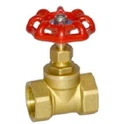
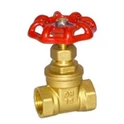
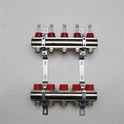
Hey there! As a supplier of Filter Ball Valves, I've seen firsthand how crucial these components are in power generation plants. In this blog, I'm gonna share some tips on how to maintain a filter ball valve in a power - gen plant.
Why Maintenance is Key
First off, let's talk about why maintaining your filter ball valve is so important. In a power generation plant, these valves play a vital role in controlling the flow of various fluids, like water, steam, or chemicals. A well - maintained valve ensures smooth operation, prevents leaks, and extends the overall lifespan of the equipment. If you neglect maintenance, you could end up facing costly breakdowns, production delays, and even safety hazards.
Regular Inspection
The first step in maintaining a filter ball valve is regular inspection. You should check the valve at least once a month, or more frequently if the valve is in continuous use or operating under harsh conditions.


- Visual Inspection: Look for any signs of damage, such as cracks, corrosion, or wear on the valve body, ball, stem, and seals. Pay special attention to the areas where the valve connects to the pipeline, as these are common spots for leaks. If you notice any visible damage, it's important to address it right away.
- Functionality Check: Operate the valve to make sure it opens and closes smoothly. There should be no excessive resistance or binding. If the valve is difficult to turn, it could be a sign of debris buildup or a problem with the internal components. Also, check the position indicator to ensure it accurately reflects the valve's position.
Cleaning and Lubrication
Cleaning and lubrication are essential for keeping your filter ball valve in top shape.
- Cleaning: Over time, dirt, sediment, and other contaminants can accumulate inside the valve, affecting its performance. To clean the valve, first, shut off the flow of fluid and relieve the pressure in the pipeline. Then, disassemble the valve according to the manufacturer's instructions. Use a mild detergent and a soft brush to clean the valve components, making sure to remove all the debris. Rinse the components thoroughly with clean water and dry them completely before reassembly.
- Lubrication: Lubricating the valve's moving parts helps reduce friction and wear, ensuring smooth operation. Use a high - quality lubricant recommended by the valve manufacturer. Apply the lubricant to the stem, ball, and other moving components as specified in the maintenance manual. Be careful not to over - lubricate, as this can attract dirt and cause more problems.
Seal Replacement
The seals in a filter ball valve are critical for preventing leaks. Over time, seals can wear out or become damaged due to factors like temperature, pressure, and chemical exposure.
- Signs of Seal Failure: Look for signs of leakage around the valve stem or body. You may also notice a decrease in the valve's performance, such as difficulty in opening or closing. If you suspect a seal failure, it's important to replace the seals as soon as possible to prevent further damage.
- Seal Replacement Process: To replace the seals, first, follow the steps for disassembling the valve. Carefully remove the old seals and clean the seal grooves to ensure a proper fit for the new seals. Install the new seals according to the manufacturer's instructions, making sure they are properly seated. Reassemble the valve and test it for leaks.
Pressure and Flow Monitoring
Monitoring the pressure and flow through the filter ball valve is another important aspect of maintenance.
- Pressure Monitoring: Use a pressure gauge to monitor the pressure upstream and downstream of the valve. Any significant changes in pressure could indicate a problem with the valve or the pipeline. For example, a sudden increase in pressure upstream of the valve could mean the valve is partially blocked, while a decrease in pressure downstream could indicate a leak.
- Flow Monitoring: Measure the flow rate through the valve using a flow meter. A decrease in flow rate could be a sign of a clogged valve or a problem with the pipeline. If you notice any abnormal changes in pressure or flow, investigate the cause and take appropriate action.
Training and Documentation
Proper training and documentation are crucial for effective valve maintenance.
- Training: Make sure your maintenance staff is properly trained on how to inspect, clean, lubricate, and repair the filter ball valves. They should be familiar with the valve's design, operation, and maintenance requirements. Regular training sessions can help keep your staff up - to - date on the latest maintenance techniques and best practices.
- Documentation: Keep detailed records of all maintenance activities, including inspection dates, cleaning and lubrication schedules, seal replacements, and any repairs or adjustments made to the valve. This documentation can help you track the valve's maintenance history, identify recurring problems, and plan for future maintenance.
Choosing the Right Replacement Parts
When it comes to replacing parts in your filter ball valve, it's important to choose high - quality parts that are compatible with your valve. As a supplier, I can recommend some reliable products. For example, you can check out our Ball Union Valves and Ball Union Valves. These valves are made from high - quality materials and are designed to provide long - lasting performance. Another great option is our Iron Handle Ball Valve 1/2", which is known for its durability and reliability.
Contact for Purchase and Consultation
If you're looking for high - quality filter ball valves or need more information on valve maintenance, don't hesitate to get in touch. Whether you're facing a specific maintenance issue or planning a new installation in your power generation plant, I'm here to help. Reach out to discuss your requirements, and let's find the best solutions for your needs.
References
- Manufacturer's Manuals for Filter Ball Valves
- Industry Standards for Valve Maintenance in Power Generation Plants
- Technical Publications on Valve Technology and Maintenance