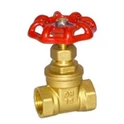
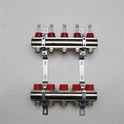
As a seasoned gas valve supplier, I understand the critical importance of ensuring the safety and reliability of gas valves. Gas valves are essential components in various applications, from residential heating systems to industrial processes. Therefore, thorough inspection methods are necessary to guarantee their proper functioning. In this blog post, I will discuss the key inspection methods for gas valves that we implement in our supply chain to provide high - quality products to our customers.
Visual Inspection
Visual inspection is the first and most basic step in assessing a gas valve's condition. It involves a careful examination of the valve's exterior for any visible signs of damage, wear, or irregularities.
Physical Damage
We start by looking for cracks, dents, or scratches on the valve body. Cracks can compromise the valve's integrity, leading to gas leaks. Even small cracks can grow over time due to pressure changes and vibrations. Dents may interfere with the proper movement of internal components, while scratches can be a starting point for corrosion. For example, if a valve has been mishandled during transportation, it might show dents that could affect its performance.
Surface Condition
The surface of the gas valve should be free from rust, corrosion, or any foreign deposits. Rust and corrosion can weaken the valve material and cause blockages in the gas passages. We pay special attention to areas prone to moisture accumulation, such as the valve stem and the connection points. Foreign deposits, like dirt or debris, can also prevent the valve from closing or opening properly.
Label and Markings
All gas valves should have clear and legible labels indicating important information such as the valve type, pressure rating, and flow capacity. We check that these labels are intact and accurate. Incorrect or missing labels can lead to improper installation and use of the valve, which poses a significant safety risk. For instance, if a valve with a low - pressure rating is installed in a high - pressure system, it could fail catastrophically.
Dimensional Inspection
Dimensional accuracy is crucial for the proper installation and operation of gas valves. Any deviation from the specified dimensions can lead to leaks or improper functioning.
Valve Body Dimensions
We measure the overall length, diameter, and thickness of the valve body using precision measuring tools such as calipers and micrometers. These measurements are compared against the engineering drawings to ensure compliance. For example, if the valve body is too short or too long, it may not fit correctly into the pipeline system.
Connection Dimensions
The dimensions of the valve connections, such as the thread size and pitch, are also carefully inspected. Properly sized connections are essential for a tight and leak - free seal. We use thread gauges to verify the accuracy of the threads. Incorrect thread sizes can result in loose connections, which can cause gas leaks.
Internal Component Dimensions
The dimensions of internal components, like the valve seat and the disc, are equally important. The valve seat should have a smooth and flat surface with the correct diameter and depth. The disc should fit precisely into the seat to ensure proper sealing. Any variation in these dimensions can lead to incomplete sealing and gas leakage.
Pressure Testing
Pressure testing is a vital method to verify the valve's ability to withstand the specified operating pressure without leaking.
Hydrostatic Testing
Hydrostatic testing involves filling the valve with a liquid, usually water, and applying a pressure higher than the normal operating pressure for a specified period. We use a pressure - testing machine to gradually increase the pressure to the test level. During the test, we carefully monitor the valve for any signs of leakage, such as drops of water or changes in pressure. If a leak is detected, the valve is either repaired or rejected.
Gas Pressure Testing
After hydrostatic testing, we conduct gas pressure testing using the actual gas that the valve will be used with. This test simulates the real - world operating conditions. We apply the normal operating pressure and check for any gas leaks using a leak - detection device, such as a soap - bubble solution or a gas - sensing instrument. Gas pressure testing is more sensitive than hydrostatic testing in detecting small leaks, as gases can escape more easily through tiny openings.
Function Testing
Function testing ensures that the gas valve can perform its intended functions correctly.
Opening and Closing Operation
We test the valve's ability to open and close smoothly. The valve should open and close with the appropriate amount of force, neither too hard nor too easy. We use a torque wrench to measure the opening and closing torque. If the torque is too high, it may indicate a problem with the valve's internal components, such as a stuck stem or a damaged seat. If the torque is too low, the valve may not provide a proper seal.
Flow Regulation
For valves with flow - regulating capabilities, we test their ability to control the gas flow accurately. We use flow - measuring devices to measure the flow rate at different valve openings. The valve should be able to maintain a stable flow rate within the specified range. Any deviation from the expected flow rate can indicate a problem with the valve's internal mechanism or a blockage in the gas passage.
Safety Features Testing
Many gas valves are equipped with safety features, such as over - pressure protection and flame - failure devices. We test these safety features to ensure they work properly. For example, we simulate an over - pressure situation to check if the over - pressure protection device activates and shuts off the gas flow. Similarly, we test the flame - failure device by extinguishing the flame and verifying that the valve closes automatically to prevent gas from leaking.
Material Testing
The quality of the materials used in the gas valve is crucial for its performance and durability.
Material Composition Analysis
We use various techniques, such as spectroscopy, to analyze the material composition of the valve components. This helps us ensure that the materials meet the required standards. For example, brass valves should have the correct percentage of copper, zinc, and other alloying elements. Incorrect material composition can affect the valve's strength, corrosion resistance, and other properties.


Hardness Testing
We measure the hardness of the valve materials using a hardness tester. The hardness of the materials should be within the specified range. If the material is too soft, it may wear out quickly, while if it is too hard, it may be brittle and prone to cracking.
Specialized Inspection for Different Types of Gas Valves
Different types of gas valves have unique features and requirements, and they may need specialized inspection methods.
Handle Gas Valve
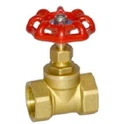
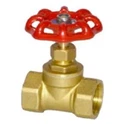
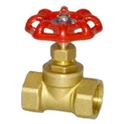
Handle gas valves are commonly used in residential and small - scale commercial applications. In addition to the general inspection methods, we pay special attention to the handle's operation. The handle should be easy to grip and turn, and it should provide a clear indication of the valve's open or closed position. We also check the connection between the handle and the valve stem to ensure it is secure.
Double - Fork Gas Valve
Double - fork gas valves are designed for specific applications where precise control is required. We inspect the double - fork mechanism carefully to ensure smooth operation. The forks should engage and disengage properly with the valve components, and there should be no excessive play or misalignment.
Gas Regulator Valve
Gas regulator valves are used to control the gas pressure. We test the regulator's ability to maintain a constant output pressure under different input pressures and flow rates. We also check the response time of the regulator to changes in the input conditions. A well - functioning gas regulator valve should be able to adjust the pressure quickly and accurately.
In conclusion, as a gas valve supplier, we implement a comprehensive set of inspection methods to ensure the quality and safety of our products. By conducting visual, dimensional, pressure, function, and material testing, as well as specialized inspection for different valve types, we can provide our customers with reliable gas valves that meet their specific needs.
If you are in the market for high - quality gas valves and want to discuss your procurement requirements, please feel free to contact us. We are always ready to provide you with the best products and services.
References
- ASME B16.34 - 2017, Valve Flanged, Threaded, and Welding End
- API 6D - 2018, Pipeline Valves for Petroleum and Natural Gas Industries
- ISO 5208 - 2015, Industrial Valves - Pressure Testing of Valves