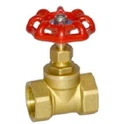
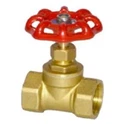
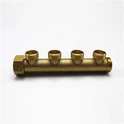
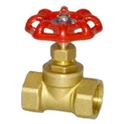
How to Replace a Damaged Brass Fitting?
As a trusted supplier of high - quality brass fittings, I've witnessed firsthand the importance of these components in various plumbing and industrial systems. Brass fittings are known for their durability, corrosion resistance, and excellent malleability. However, even the sturdiest brass fittings can get damaged over time due to factors like wear and tear, high - pressure situations, or improper installation. In this blog post, I'll guide you through the process of replacing a damaged brass fitting, ensuring that your system runs smoothly again.
Step 1: Identify the Problem
The first and most crucial step is to accurately identify the damaged brass fitting. Inspect your plumbing or industrial system thoroughly. Look for signs of leaks, such as water stains, damp spots, or hissing sounds, which can indicate a damaged fitting. Check for visible cracks, dents, or corrosion on the brass fitting. Sometimes, the problem might not be obvious, so a careful and systematic inspection is necessary.
If you're unsure about the type of brass fitting you have, it's a good idea to refer to the system's documentation or consult with a professional. As a brass fittings supplier, we offer a wide range of products, including Brass Filter 59 - 1 and Y - Type Brass Filter, which are designed to meet different filtration needs. Understanding the specific type of fitting you need to replace will help you source the right replacement part.
Step 2: Gather the Necessary Tools and Materials
Once you've identified the damaged brass fitting, it's time to gather the tools and materials required for the replacement. Here's a list of what you'll typically need:
- Replacement Fitting: Make sure to choose a fitting that matches the size, type, and specifications of the damaged one. As a supplier, we can assist you in finding the perfect replacement, whether it's a simple Brass Fitting Sleeve or a more complex filtration unit.
- Pipe Wrench: This tool is essential for loosening and tightening the fittings. Choose a wrench that is the appropriate size for the pipes and fittings you're working with.
- Teflon Tape: Teflon tape helps create a watertight seal between the threads of the fittings. Wrap it around the male threads before installing the new fitting.
- Pipe Cutter: If you need to cut the pipe to remove the damaged fitting, a pipe cutter will come in handy. Make sure to choose a cutter that can handle the type and thickness of the pipe.
- Safety Gear: Wear safety goggles to protect your eyes from any debris or splashes, and gloves to protect your hands from sharp edges.
Step 3: Shut Off the Supply
Before you start working on replacing the brass fitting, it's crucial to shut off the supply of water or other fluids to the system. This will prevent any leaks or spills during the replacement process. Locate the main shut - off valve for the system and turn it off. If you're working on a smaller section of the system, there may be a local shut - off valve that you can use instead.
Once the supply is shut off, open the nearest faucet or valve to relieve any pressure in the pipes. This will make it easier to remove the damaged fitting and reduce the risk of injury.
Step 4: Remove the Damaged Fitting
Using the pipe wrench, loosen the nuts or couplings that hold the damaged brass fitting in place. Turn the wrench counter - clockwise to loosen the fitting. If the fitting is stuck, you may need to apply some penetrating oil to the threads and let it sit for a few minutes to loosen the corrosion.
Once the fitting is loose, carefully remove it from the pipes. If the fitting is attached to the pipe using a soldered joint, you'll need to use a torch to heat the joint and melt the solder. Be extremely careful when using a torch, as it can be dangerous. Make sure to follow all safety precautions and have a fire extinguisher nearby.


Step 5: Prepare the Pipes
After removing the damaged fitting, inspect the pipes for any damage or debris. Use a pipe cleaner or a wire brush to clean the inside of the pipes and remove any rust, dirt, or old sealant. This will ensure a proper seal when you install the new fitting.
If the pipes are damaged, you may need to cut out the damaged section using the pipe cutter. Make sure to cut the pipe straight and cleanly to ensure a good fit with the new fitting.
Step 6: Install the New Fitting
Before installing the new brass fitting, wrap Teflon tape around the male threads in a clockwise direction. Make sure to wrap it tightly and evenly, but don't over - wrap it, as this can cause the threads to bind.
Insert the new fitting into the pipes and hand - tighten it as much as possible. Then, use the pipe wrench to tighten the fitting further. Be careful not to overtighten, as this can damage the fitting or the pipes.
If you're installing a soldered fitting, heat the joint with a torch and apply solder until it flows evenly around the joint. Let the solder cool and solidify before turning the supply back on.
Step 7: Test the System
Once the new brass fitting is installed, turn the supply back on and check for any leaks. Inspect the fitting and the surrounding area for any signs of water or fluid leakage. If you notice any leaks, tighten the fitting slightly using the pipe wrench or re - apply the Teflon tape.
Let the system run for a few minutes to ensure that the new fitting is working properly. Check the pressure and flow of the fluid in the system to make sure everything is functioning as it should.
Step 8: Maintenance and Prevention
After replacing the damaged brass fitting, it's important to perform regular maintenance on your plumbing or industrial system to prevent future damage. Here are some tips:
- Inspect Regularly: Periodically inspect your system for any signs of leaks, corrosion, or damage. Catching problems early can prevent them from becoming more serious and costly to repair.
- Clean the System: Regularly clean the filters and other components of the system to prevent clogs and buildup. This will help maintain the efficiency of the system and extend the lifespan of the brass fittings.
- Use High - Quality Fittings: Invest in high - quality brass fittings from a reputable supplier. Our brass fittings are made from high - grade materials and are designed to withstand the rigors of daily use.
- Proper Installation: Make sure to follow the manufacturer's instructions when installing brass fittings. Improper installation can lead to leaks and premature failure of the fittings.
In conclusion, replacing a damaged brass fitting is a task that can be accomplished with the right tools, materials, and knowledge. As a brass fittings supplier, we're here to support you every step of the way. Whether you need help choosing the right replacement fitting or have questions about the installation process, our team of experts is ready to assist you.
If you're in the market for high - quality brass fittings or need to replace a damaged one, don't hesitate to contact us for a consultation. We offer a wide range of products to meet your needs, and our competitive prices and excellent customer service make us the ideal choice for all your brass fitting requirements. Let's work together to keep your systems running smoothly.
References
- "Plumbing Handbook" - A comprehensive guide to plumbing systems and maintenance.
- Manufacturer's instructions for brass fittings and related tools.