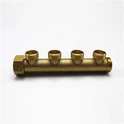
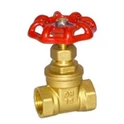
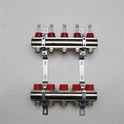
Cleaning a manifold tail piece is an essential maintenance task that can significantly enhance its performance and longevity. As a supplier of Manifold Tail Pieces, I understand the importance of proper cleaning and maintenance. In this blog post, I'll share a comprehensive guide on how to clean a manifold tail piece effectively.
Why Cleaning is Necessary
Before delving into the cleaning process, it's crucial to understand why cleaning a manifold tail piece is necessary. Over time, manifold tail pieces can accumulate dirt, debris, and various contaminants. These can include rust, scale, sediment, and even chemical residues. The presence of these contaminants can lead to several issues. For instance, they can cause blockages, which restrict the flow of fluids through the manifold tail piece. This not only reduces the efficiency of the system but can also lead to increased pressure and potential damage to other components. Additionally, contaminants can corrode the inner surfaces of the manifold tail piece, shortening its lifespan.
Tools and Materials Required
To clean a manifold tail piece, you'll need the following tools and materials:
- Safety Equipment: Gloves and safety goggles to protect your hands and eyes from chemicals and debris.
- Cleaning Solutions: Depending on the type of contaminants, you may need a mild detergent, a descaling solution, or a specialized cleaning agent. For organic debris, a mild dish soap can be effective. For stubborn scale and rust, a descaling solution containing phosphoric acid or citric acid may be required.
- Brushes: Soft - bristled brushes of different sizes for scrubbing the interior and exterior of the manifold tail piece. A small, narrow - bristled brush can be used to reach into the crevices and small openings, while a larger brush can be used for the outer surfaces.
- Rags or Towels: To dry the manifold tail piece after cleaning.
- Bucket or Basin: To hold the cleaning solution.
Preparation
Before you start cleaning, it's essential to take some preparatory steps:
- Turn Off the System: If the manifold tail piece is part of an active system, such as a plumbing or industrial fluid system, turn off the power and shut off the flow of fluids. This will prevent any accidental spills or injuries during the cleaning process.
- Disconnect the Manifold Tail Piece: Carefully disconnect the manifold tail piece from the system. Use appropriate tools, such as wrenches, to loosen the fittings. Make sure to label the connections if necessary to ensure proper reinstallation later.
- Inspect for Damage: Before cleaning, visually inspect the manifold tail piece for any signs of damage, such as cracks, leaks, or excessive wear. If you notice any significant damage, it may be necessary to replace the manifold tail piece instead of cleaning it.
Cleaning Process
- Exterior Cleaning
- Rinse with Water: Start by rinsing the exterior of the manifold tail piece with clean water to remove any loose dirt and debris.
- Apply Cleaning Solution: Dip a soft - bristled brush into the cleaning solution and gently scrub the exterior surfaces of the manifold tail piece. Pay special attention to areas with visible dirt or stains.
- Rinse Again: After scrubbing, rinse the exterior thoroughly with clean water to remove the cleaning solution and loosened debris.
- Interior Cleaning
- Fill with Cleaning Solution: Pour the appropriate cleaning solution into a bucket or basin. Submerge the manifold tail piece in the cleaning solution, ensuring that all the interior surfaces are covered.
- Soak: Let the manifold tail piece soak in the cleaning solution for the recommended time. This can range from 30 minutes to several hours, depending on the severity of the contamination.
- Scrub the Interior: Use a small, soft - bristled brush to scrub the interior surfaces of the manifold tail piece. Reach into all the channels and openings to remove any stubborn contaminants.
- Rinse Thoroughly: After scrubbing, rinse the interior of the manifold tail piece multiple times with clean water to ensure that all the cleaning solution and debris are removed.
- Drying
- Shake Off Excess Water: Gently shake the manifold tail piece to remove any excess water.
- Dry with Rags or Towels: Use clean rags or towels to dry the interior and exterior of the manifold tail piece. Make sure it is completely dry before reinstalling it.
Reinstallation
Once the manifold tail piece is clean and dry, it's time to reinstall it:
- Inspect the Seals and Gaskets: Check the seals and gaskets for any signs of damage or wear. Replace them if necessary to ensure a proper seal.
- Reconnect the Manifold Tail Piece: Carefully reconnect the manifold tail piece to the system, using the appropriate tools to tighten the fittings. Make sure not to overtighten, as this can damage the fittings.
- Turn On the System: Once the manifold tail piece is reinstalled, turn on the power and the flow of fluids. Check for any leaks or abnormal operation.
Maintenance Tips
To keep your manifold tail piece in good condition, consider the following maintenance tips:


- Regular Cleaning: Establish a regular cleaning schedule based on the usage and environment of the manifold tail piece. For systems in a dirty or high - usage environment, more frequent cleaning may be required.
- Filter Installation: Install filters upstream of the manifold tail piece to prevent large debris from entering and causing blockages.
- Inspect for Leaks: Periodically check the manifold tail piece for any signs of leaks. Early detection of leaks can prevent more significant problems.
Related Products
As a supplier, we also offer a range of related products, such as Switch Valve Manifold and Flowmeter Manifold. These products are designed to work in conjunction with our Manifold Tail Piece to provide a complete fluid management solution.
Contact for Purchase and Consultation
If you're interested in purchasing Manifold Tail Pieces or need more information about cleaning and maintenance, feel free to contact us. Our team of experts is ready to assist you with your needs. Whether you're looking for a single manifold tail piece or a bulk order, we can provide you with high - quality products at competitive prices.
References
- "Handbook of Industrial Fluid Systems Maintenance"
- "Plumbing Maintenance and Repair Guide"