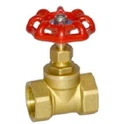
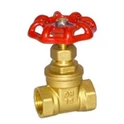
As a seasoned supplier of brass globe valves, I understand the critical importance of proper alignment during installation. A misaligned brass globe valve can lead to a host of issues, including leaks, reduced flow efficiency, and premature wear and tear. In this blog post, I'll share some essential tips and best practices to ensure the proper alignment of a brass globe valve during installation.
Understanding the Basics of Brass Globe Valves
Before delving into the alignment process, it's crucial to have a solid understanding of brass globe valves. These valves are widely used in various industries due to their excellent flow control capabilities and durability. A brass globe valve consists of a movable disk-type element and a stationary ring seat in a generally spherical body. The valve controls flow by the movement of the disk in relation to the stationary ring seat.
Brass is a popular material for globe valves because of its corrosion resistance, malleability, and cost-effectiveness. It can withstand a wide range of temperatures and pressures, making it suitable for many applications, from residential plumbing to industrial processes.
Pre-Installation Preparation
Proper preparation is the key to ensuring the correct alignment of a brass globe valve. Here are the steps you should take before installing the valve:
1. Select the Right Valve
Choose a brass globe valve that is appropriate for your specific application. Consider factors such as the flow rate, pressure, temperature, and the type of fluid being handled. For example, if you need a valve for a low-pressure water system, a 200 WOG Globe Valve might be a suitable choice. On the other hand, for more demanding applications, a United Brass Globe Valve could be the better option.
2. Inspect the Valve and Piping
Thoroughly inspect the brass globe valve and the piping system before installation. Check for any signs of damage, such as cracks, dents, or corrosion. Ensure that the valve seats and the piping ends are clean and free of debris. Any foreign particles can prevent proper sealing and alignment.
3. Measure and Mark the Piping
Accurately measure the distance between the pipe flanges or ends where the valve will be installed. Mark the centerline of the piping to ensure that the valve is installed in the correct position. This will help you align the valve with the piping system precisely.
Installation Process
Once you have completed the pre-installation preparation, you can proceed with the installation of the brass globe valve. Here are the steps to follow:
1. Position the Valve
Carefully place the brass globe valve between the marked piping ends. Make sure that the valve is oriented correctly, with the flow direction arrow on the valve body matching the intended flow direction in the piping system. The valve should be centered and aligned with the piping flanges or ends.
2. Align the Flanges or Ends
If the valve is flanged, align the bolt holes in the valve flanges with the bolt holes in the piping flanges. Use a flange alignment tool to ensure that the flanges are perfectly parallel and the bolt holes are properly aligned. If the valve is threaded, align the threads on the valve and the piping ends carefully to prevent cross-threading.
3. Tighten the Bolts or Threads
Once the valve is properly aligned, insert the bolts through the aligned bolt holes in the flanges and tighten them evenly. Use a torque wrench to apply the correct amount of torque to the bolts according to the manufacturer's specifications. Over-tightening can damage the flanges or the valve, while under-tightening can result in leaks. If the valve is threaded, use a pipe wrench to tighten the threads gently but firmly.
4. Check the Alignment Again
After tightening the bolts or threads, double-check the alignment of the valve. Make sure that the valve is still centered and aligned with the piping system. Check for any signs of misalignment, such as uneven gaps between the flanges or a misaligned valve body.
Post-Installation Checks
After installing the brass globe valve, it's essential to perform some post-installation checks to ensure that the valve is properly aligned and functioning correctly. Here are the checks you should conduct:
1. Pressure Test
Conduct a pressure test on the piping system to check for any leaks. Gradually increase the pressure in the system to the operating pressure and monitor the valve and the piping connections for any signs of leakage. If you detect a leak, stop the pressure test immediately and recheck the alignment and tightening of the valve.
2. Flow Test
Perform a flow test to ensure that the valve is controlling the flow correctly. Open and close the valve several times and observe the flow rate and the pressure drop across the valve. The valve should open and close smoothly, and the flow rate should be consistent with the design specifications.
3. Visual Inspection
Visually inspect the valve and the piping system for any signs of misalignment or damage. Check for any vibrations, unusual noises, or leaks. If you notice any issues, take appropriate action to correct them.
Troubleshooting Misalignment Issues
If you encounter misalignment issues during or after the installation of the brass globe valve, here are some troubleshooting steps you can take:
1. Loosen and Re-align
If the valve is slightly misaligned, you can try loosening the bolts or threads slightly and re-aligning the valve. Use a flange alignment tool or a pipe wrench to adjust the position of the valve until it is properly aligned. Then, tighten the bolts or threads again.
2. Check for Obstructions
Inspect the piping system for any obstructions that may be causing the misalignment. Remove any debris, foreign objects, or pipe scale that may be blocking the flow or preventing the valve from aligning correctly.
3. Consult the Manufacturer
If you are unable to resolve the misalignment issue on your own, consult the manufacturer of the brass globe valve. They can provide you with technical support and guidance on how to correct the misalignment.


Conclusion
Proper alignment of a brass globe valve during installation is crucial for ensuring its optimal performance and longevity. By following the tips and best practices outlined in this blog post, you can minimize the risk of misalignment and ensure that your brass globe valve operates smoothly and efficiently.
If you are in the market for high-quality brass globe valves, we are here to help. As a trusted supplier, we offer a wide range of 200 WOG Globe Valves and other brass globe valves to meet your specific needs. Contact us today to discuss your requirements and start a procurement negotiation.
References
- Manufacturer's installation and operation manuals for brass globe valves.
- Industry standards and guidelines for valve installation and alignment.