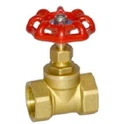
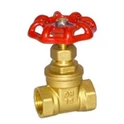
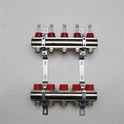
As a supplier of Duplex Valves, I often encounter inquiries about the packing materials used in these valves. The packing material of a duplex valve plays a crucial role in its performance, longevity, and overall functionality. In this blog post, I will delve into the details of what the packing material of a duplex valve is, its importance, and the different types commonly used.
Understanding the Role of Packing Material in a Duplex Valve
A duplex valve is a type of valve that combines two functions or two valves into one unit. It is commonly used in various industries, including heating, plumbing, and industrial applications. The packing material in a duplex valve is used to create a seal between the moving parts of the valve, such as the stem and the body, to prevent leakage of the fluid or gas being controlled by the valve.
The primary functions of the packing material are as follows:


- Sealing: It provides a tight seal to prevent the escape of the medium (liquid or gas) from the valve. This is essential for maintaining the efficiency of the system and preventing environmental hazards.
- Lubrication: The packing material can also act as a lubricant, reducing friction between the moving parts of the valve. This helps to extend the lifespan of the valve and ensures smooth operation.
- Protection: It protects the valve stem from corrosion and wear, which can be caused by the medium flowing through the valve or the external environment.
Importance of Choosing the Right Packing Material
Selecting the appropriate packing material for a duplex valve is of utmost importance. The wrong choice can lead to various problems, such as leakage, reduced valve performance, and increased maintenance costs. Here are some factors to consider when choosing the packing material:
- Compatibility with the Medium: The packing material must be compatible with the fluid or gas that the valve will be handling. For example, if the valve is used in a water system, a packing material that is resistant to water and corrosion should be selected. On the other hand, if the valve is used in a chemical process, a packing material that can withstand the specific chemicals involved is required.
- Operating Conditions: The temperature, pressure, and flow rate of the system also play a significant role in determining the suitable packing material. High-temperature applications may require a packing material that can withstand extreme heat without losing its sealing properties. Similarly, high-pressure systems need a packing material that can maintain a tight seal under high stress.
- Valve Design and Application: The design of the duplex valve and its intended application should also be taken into account. Some valves may require a specific type of packing material to ensure proper operation. For instance, a valve used in a critical application where zero leakage is required may need a more advanced and reliable packing material.
Common Types of Packing Materials for Duplex Valves
There are several types of packing materials commonly used in duplex valves. Each type has its own unique properties and advantages, making it suitable for different applications. Here are some of the most common types:
Graphite Packing
Graphite packing is one of the most widely used packing materials in the valve industry. It is made from natural or synthetic graphite and has excellent heat resistance, chemical resistance, and self-lubricating properties. Graphite packing can withstand high temperatures and pressures, making it suitable for a wide range of applications, including steam, hot water, and chemical processes.
Advantages of graphite packing:
- High Temperature Resistance: It can operate at temperatures up to 500°C (932°F) or even higher, depending on the type of graphite used.
- Chemical Resistance: Graphite is resistant to many chemicals, including acids, alkalis, and solvents.
- Self-Lubricating: It has good self-lubricating properties, which reduces friction and wear on the valve stem.
PTFE Packing
Polytetrafluoroethylene (PTFE) packing is another popular choice for duplex valves. PTFE is a synthetic fluoropolymer that has excellent chemical resistance, low friction coefficient, and high flexibility. It is commonly used in applications where a tight seal is required and where the medium is corrosive or has a low viscosity.
Advantages of PTFE packing:
- Chemical Resistance: PTFE is resistant to a wide range of chemicals, including strong acids and bases.
- Low Friction: It has a very low friction coefficient, which reduces the torque required to operate the valve and extends the lifespan of the packing material.
- Flexibility: PTFE packing is highly flexible, which allows it to conform to the shape of the valve stem and provide a tight seal.
Asbestos-Free Packing
In the past, asbestos was commonly used as a packing material due to its excellent heat resistance and sealing properties. However, due to its health hazards, asbestos has been largely replaced by asbestos-free packing materials. Asbestos-free packing materials are made from various synthetic fibers, such as aramid, carbon, and ceramic, and offer similar performance to asbestos packing without the associated health risks.
Advantages of asbestos-free packing:
- Safety: Asbestos-free packing materials eliminate the risk of asbestos exposure, which is a major health concern.
- Performance: They provide good sealing performance and can withstand high temperatures and pressures.
- Environmental Friendliness: Asbestos-free packing materials are more environmentally friendly than asbestos packing.
Braided Packing
Braided packing is a type of packing material that is made by braiding fibers together to form a rope-like structure. It can be made from various materials, such as graphite, PTFE, and aramid, and is commonly used in applications where a high degree of flexibility and conformability is required.
Advantages of braided packing:
- Flexibility: Braided packing is highly flexible, which allows it to conform to the shape of the valve stem and provide a tight seal.
- Good Sealing Performance: It provides excellent sealing performance, even under high pressure and temperature conditions.
- Easy Installation: Braided packing is relatively easy to install, which reduces installation time and costs.
Conclusion
In conclusion, the packing material of a duplex valve is a critical component that plays a vital role in its performance and functionality. Choosing the right packing material is essential to ensure proper sealing, prevent leakage, and extend the lifespan of the valve. By considering factors such as compatibility with the medium, operating conditions, and valve design, you can select the most suitable packing material for your specific application.
As a [Your Company] supplier of Duplex Valve, we offer a wide range of high-quality duplex valves with different packing materials to meet the diverse needs of our customers. Our valves are designed and manufactured to the highest standards, ensuring reliable performance and long service life.
If you are in the market for a duplex valve or need more information about the packing materials used in our valves, please do not hesitate to [Contact Us]. Our team of experts will be happy to assist you in selecting the right valve and packing material for your application.
References
- Valve Handbook, Third Edition by Robert W. Miller
- Handbook of Valves by P. N. Murthy
- Industrial Valves: Selection and Sizing by James E. Tompkins