Hey there! I'm a supplier of gas valves, and today I wanna take you through how a gas sampling valve works. Gas sampling valves are super important in many industries, from chemical processing to environmental monitoring. They help us get accurate samples of gases for analysis, which is crucial for quality control, safety, and research.


The Basics of Gas Sampling
Before we dig into how the valve works, let's quickly talk about why we need to sample gases in the first place. In industrial settings, we often need to know what's in the gas stream. Is it pure? Are there any contaminants? What's the concentration of different components? By taking a sample of the gas, we can analyze it in a lab or with on - site equipment to get these answers.
Components of a Gas Sampling Valve
A gas sampling valve typically consists of a few key parts:
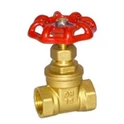
- Body: This is the main housing of the valve. It's usually made of materials that can withstand the pressure and chemical properties of the gas being sampled. For example, stainless steel is a common choice for its durability and resistance to corrosion.
- Inlet and Outlet Ports: These are the openings where the gas enters and leaves the valve. The inlet port is connected to the gas source, like a pipeline or a storage tank, and the outlet port is where the sample is taken.
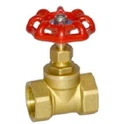
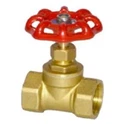
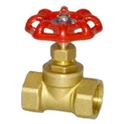
- Valve Seat and Plug: The valve seat is a precisely machined surface inside the valve body, and the plug is a movable part that fits against the seat. When the plug is in the closed position, it seals off the gas flow. When it's open, gas can pass through the valve.
- Actuator: This is what makes the valve open and close. It can be manual, like a hand - operated lever, or automated, such as a pneumatic or electric actuator.
How the Valve Works - The Sampling Process
Let's break down the gas sampling process into steps:
Step 1: Preparation
First, we need to make sure the valve is clean and ready for sampling. Any contaminants inside the valve can affect the accuracy of the sample. We also need to set the valve to the correct position. If it's a multi - position valve, we'll select the appropriate one for sampling.
Step 2: Opening the Valve
Once everything is set up, we use the actuator to open the valve. If it's a manual valve, we simply turn the lever or turn the handle. For an automated valve, we send a signal to the actuator to open it. When the valve opens, gas starts to flow from the inlet port into the valve body.
Step 3: Filling the Sampling Chamber
As the gas enters the valve body, it fills a sampling chamber. This chamber is designed to hold a specific volume of gas, which is important for getting an accurate sample. The gas continues to flow until the chamber is full.
Step 4: Closing the Valve
After the sampling chamber is filled, we close the valve using the actuator. This seals off the gas sample inside the chamber, preventing any more gas from entering or leaving.
Step 5: Retrieving the Sample
Now that we have a sealed gas sample in the chamber, we can connect a sampling container, like a gas syringe or a sample cylinder, to the outlet port. Then, we open a small valve or port on the chamber to allow the gas sample to flow into the container.
Types of Gas Sampling Valves
There are different types of gas sampling valves, each with its own advantages and applications:
- Two - Way Valves: These are the simplest type of gas sampling valves. They have two ports - an inlet and an outlet - and can be either open or closed. They're commonly used for basic gas sampling applications where a simple on - off control is sufficient.
- Three - Way Valves: Three - way valves have three ports and can direct the gas flow in different directions. They're useful when we need to switch between different gas sources or sampling locations.
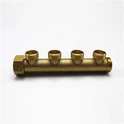
- Multi - Position Valves: These valves have multiple ports and can be set to different positions. They're often used in complex gas sampling systems where we need to sample from multiple points or use different sampling methods.
Why Choose Our Gas Valves
As a gas valve supplier, we offer a wide range of high - quality gas sampling valves. Our valves are made with precision engineering to ensure accurate and reliable gas sampling. We use the best materials to make sure they can withstand harsh industrial environments.
We have different types of valves, including the Gas Regulator Valve, which is great for regulating the pressure of the gas during sampling. The Double - Fork Gas Valve is designed for applications where we need to control the gas flow in a more precise way. And the Trident Gas Valve is perfect for complex gas systems with multiple gas sources.
Importance of Quality in Gas Sampling Valves
Using high - quality gas sampling valves is crucial. A poorly made valve can lead to inaccurate gas samples, which can have serious consequences. For example, in the pharmaceutical industry, inaccurate gas sampling can affect the quality and safety of drugs. In environmental monitoring, it can lead to incorrect data about air quality.
Our valves are tested rigorously to meet the highest quality standards. We ensure that they have a tight seal to prevent any gas leakage, and they operate smoothly to give consistent results.
Conclusion
So, that's how a gas sampling valve works. It's a simple yet essential device that plays a big role in many industries. Whether you're in chemical manufacturing, environmental science, or any other field that requires gas sampling, having a reliable gas sampling valve is key.
If you're in the market for gas valves, we'd love to talk to you. We can help you choose the right valve for your specific needs and provide you with all the support you need. Contact us today to start a conversation about your gas valve requirements.
References
- "Industrial Gas Sampling Handbook" - A comprehensive guide on gas sampling techniques and equipment.
- "Valve Handbook" - A reference book that covers different types of valves and their applications.