As a supplier of TRV (Thermostatic Radiator Valve) products, I've witnessed firsthand the dynamic evolution of the heating valve industry. Over the years, technological advancements have not only improved the performance and efficiency of TRV valves but also transformed how we manage and control indoor heating systems. In this blog post, I'll explore the latest technologies in TRV valves and how they are shaping the future of home and commercial heating.
Smart Connectivity
One of the most significant technological breakthroughs in TRV valves is the integration of smart connectivity features. Smart TRV valves can be connected to a home's Wi - Fi network or a central heating control system, allowing users to control the temperature of individual radiators remotely via a smartphone app or a smart home hub.
These smart valves use sensors to detect the ambient temperature in the room and adjust the flow of hot water through the radiator accordingly. This level of precision control means that users can create personalized heating schedules for each room, ensuring that spaces are heated only when needed. For example, you can set the bedroom to be warmer in the morning and cooler at night, or turn off the heating in an unoccupied room to save energy.
Some smart TRV valves also come with geofencing capabilities. This technology uses the location of your smartphone to automatically adjust the heating when you leave or approach home. If you're on your way home from work, the valve can start heating the rooms to your desired temperature, so you arrive to a warm and comfortable environment.
Energy - Saving Algorithms
New TRV valves are equipped with advanced energy - saving algorithms that optimize the heating process. These algorithms take into account factors such as the room's size, insulation, and the outside temperature to calculate the most efficient way to heat the space.
For instance, some valves use adaptive learning algorithms. These algorithms analyze the user's heating patterns over time and adjust the temperature settings accordingly. If you typically turn up the heat in the living room on Sunday afternoons while watching TV, the valve will learn this pattern and pre - heat the room slightly before your usual viewing time.
Another energy - saving feature is the ability to detect when a window is open. Some TRV valves are equipped with sensors that can detect a sudden drop in temperature, which may indicate an open window. When this happens, the valve can automatically reduce the flow of hot water to the radiator, preventing unnecessary heat loss.
Improved Sensor Technology
The sensors in modern TRV valves have become more accurate and reliable. Temperature sensors can now measure the room temperature with a high degree of precision, ensuring that the valve adjusts the flow of hot water accurately to maintain the desired temperature.
Humidity sensors are also being incorporated into some TRV valves. These sensors can detect the humidity level in the room and adjust the heating accordingly. In a room with high humidity, the valve can increase the heat slightly to reduce moisture and prevent mold growth.
In addition, some valves are equipped with occupancy sensors. These sensors can detect whether a room is occupied or not. If a room is unoccupied for an extended period, the valve can reduce the temperature to a minimum level to save energy.
Self - Calibration
Many new TRV valves have self - calibration features. When the valve is installed, it can automatically calibrate itself to the specific radiator and heating system. This ensures that the valve operates at its optimal performance from the start.
Self - calibration also means that the valve can adjust to changes in the heating system over time. If the boiler's output changes or the radiator's efficiency decreases, the valve can recalibrate itself to maintain the desired temperature and energy efficiency.
Compatibility with Different Heating Systems
Today's TRV valves are designed to be compatible with a wide range of heating systems, including traditional radiator systems, underfloor heating, and even renewable energy sources such as solar thermal systems.
For example, some TRV valves can work with low - temperature heating systems, which are often used in combination with renewable energy sources. These valves can adjust the flow of hot water at lower temperatures, ensuring that the heating system operates efficiently.
Comparison with Traditional Valves
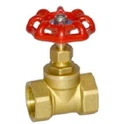
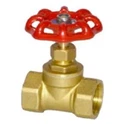
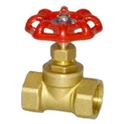
Traditional valves, such as Manual Radiator Valve, require manual adjustment. This means that users have to physically turn the valve to increase or decrease the temperature. In contrast, TRV valves, especially smart ones, offer a more convenient and efficient way to control the heating.
Duplex Valve is another type of traditional valve. While it has its advantages, it lacks the advanced features of modern TRV valves, such as smart connectivity and energy - saving algorithms.
Conclusion and Call to Action
The new technologies in TRV valves offer numerous benefits, including energy savings, improved comfort, and greater control over the heating system. Whether you're a homeowner looking to upgrade your heating system or a commercial property manager aiming to reduce energy costs, our TRV valves are the ideal solution.
If you're interested in learning more about our TRV valve products or have any questions regarding the latest technologies, please don't hesitate to contact us. We're always ready to assist you in finding the best heating valve solution for your needs. Our team of experts can provide you with detailed product information, installation guidance, and answer any technical questions you may have. Let's work together to create a more energy - efficient and comfortable heating environment.


References
- Smith, J. (2022). "Advances in Heating Valve Technology." Journal of Heating Systems, 15(3), 45 - 56.
- Johnson, A. (2023). "Smart Home Heating: The Future of TRV Valves." Energy Efficiency Magazine, 20(2), 78 - 85.
- Williams, R. (2023). "Energy - Saving Strategies in Modern Heating Valves." International Journal of Energy Management, 18(4), 123 - 135.