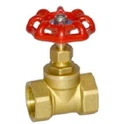
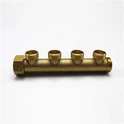
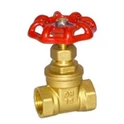
Brass, an alloy of copper and zinc, has long been a popular choice for fittings in various industries due to its excellent combination of strength, malleability, and corrosion resistance. As a trusted supplier of brass fittings, I often encounter inquiries about the suitability of brass fittings for use in chemical processing plants. In this blog post, I will delve into the properties of brass, the factors to consider when using brass fittings in chemical environments, and the potential applications and limitations of brass fittings in chemical processing plants.
Properties of Brass
Brass is known for its unique set of properties that make it a versatile material for a wide range of applications. Here are some key properties of brass that are relevant to its use in chemical processing plants:
- Corrosion Resistance: Brass exhibits good corrosion resistance in many environments, thanks to the formation of a protective oxide layer on its surface. This oxide layer helps prevent further corrosion and extends the lifespan of the fittings. However, the corrosion resistance of brass can vary depending on the specific composition of the alloy and the nature of the chemical environment.
- Strength and Durability: Brass has a relatively high strength-to-weight ratio, making it suitable for applications where mechanical strength is required. It can withstand moderate pressures and temperatures without deforming or breaking, ensuring reliable performance in chemical processing systems.
- Malleability and Machinability: Brass is highly malleable and can be easily formed into various shapes and sizes. This makes it ideal for manufacturing complex fittings and components with precise dimensions. Additionally, brass is easy to machine, allowing for efficient production and customization of fittings to meet specific requirements.
- Thermal Conductivity: Brass has good thermal conductivity, which means it can transfer heat effectively. This property is beneficial in chemical processing plants where heat transfer is often required, such as in heat exchangers and condensers.
Factors to Consider in Chemical Environments
While brass offers many advantages, its use in chemical processing plants requires careful consideration of several factors to ensure its compatibility with the chemical environment. Here are some key factors to keep in mind:
- Chemical Compatibility: Different chemicals can have varying effects on brass, depending on their composition, concentration, temperature, and pH level. Some chemicals may cause corrosion, stress corrosion cracking, or dezincification of brass, which can compromise the integrity of the fittings. It is essential to consult chemical compatibility charts or conduct compatibility tests to determine the suitability of brass fittings for specific chemical applications.
- Temperature and Pressure: Chemical processing plants often operate at high temperatures and pressures, which can affect the performance of brass fittings. Elevated temperatures can accelerate corrosion and reduce the mechanical strength of brass, while high pressures can cause stress and deformation. It is important to select brass fittings that are designed to withstand the specific temperature and pressure conditions of the application.
- Contamination and Impurities: The presence of contaminants or impurities in the chemical process can also impact the performance of brass fittings. For example, the presence of sulfur compounds or halogens can increase the corrosion rate of brass. It is crucial to ensure that the chemical process is free from contaminants and that the brass fittings are properly cleaned and maintained to prevent the accumulation of impurities.
- Design and Installation: The design and installation of brass fittings can also affect their performance in chemical processing plants. Proper sizing, threading, and sealing are essential to prevent leaks and ensure the integrity of the system. Additionally, the use of appropriate gaskets and seals can help prevent chemical leakage and protect the fittings from corrosion.
Potential Applications of Brass Fittings in Chemical Processing Plants
Despite the potential challenges, brass fittings can be used in a variety of applications in chemical processing plants, provided that the appropriate precautions are taken. Here are some common applications of brass fittings in chemical processing:

- Fluid Transfer Systems: Brass fittings are commonly used in fluid transfer systems, such as pipelines, valves, and pumps, to connect different components and ensure the smooth flow of chemicals. Their corrosion resistance and mechanical strength make them suitable for handling a wide range of fluids, including water, oils, and mild chemicals.
- Instrumentation and Control Systems: Brass fittings are also used in instrumentation and control systems to connect sensors, gauges, and other devices. Their precise dimensions and good machinability make them ideal for manufacturing custom fittings that can meet the specific requirements of these systems.
- Heat Transfer Equipment: Brass fittings are often used in heat transfer equipment, such as heat exchangers and condensers, due to their good thermal conductivity. They can help transfer heat efficiently between different fluids, improving the overall performance of the system.
- Sampling and Analysis Systems: Brass fittings are used in sampling and analysis systems to collect and transfer chemical samples for testing and analysis. Their corrosion resistance and ease of cleaning make them suitable for handling a variety of chemicals without contaminating the samples.
Limitations of Brass Fittings in Chemical Processing Plants
While brass fittings offer many advantages, they also have some limitations that need to be considered when using them in chemical processing plants. Here are some key limitations of brass fittings:

- Corrosion in Aggressive Chemicals: Brass may not be suitable for use in highly aggressive chemical environments, such as those containing strong acids, alkalis, or oxidizing agents. These chemicals can cause rapid corrosion and damage to the brass fittings, leading to leaks and system failures.
- Dezincification: Dezincification is a form of corrosion that occurs when zinc is selectively removed from the brass alloy, leaving behind a porous and weakened copper-rich layer. This can happen in certain chemical environments, particularly those containing water with high chloride levels. Dezincification can significantly reduce the mechanical strength and integrity of the brass fittings, making them more prone to failure.
- Stress Corrosion Cracking: Stress corrosion cracking (SCC) is a phenomenon that occurs when a metal is exposed to a corrosive environment while under stress. Brass fittings can be susceptible to SCC in certain chemical environments, especially those containing ammonia or amines. SCC can cause sudden and catastrophic failure of the fittings, posing a significant safety risk.
- Temperature and Pressure Limitations: Brass has limitations in terms of its temperature and pressure capabilities. At high temperatures, brass can lose its mechanical strength and become more prone to deformation and failure. Similarly, at high pressures, brass fittings may not be able to withstand the stress and may develop leaks or cracks.
Conclusion
In conclusion, brass fittings can be used in chemical processing plants, but their suitability depends on several factors, including the chemical compatibility, temperature and pressure conditions, and design and installation of the fittings. While brass offers many advantages, such as corrosion resistance, strength, and malleability, it also has some limitations, particularly in aggressive chemical environments. As a supplier of brass fittings, I recommend conducting thorough compatibility tests and consulting with experts to ensure the proper selection and use of brass fittings in chemical processing applications.

If you are looking for high-quality brass fittings for your chemical processing plant, we offer a wide range of products, including Pex Fitting for Heating, Y-Type Brass Filter, and Custom Brass Fittings. Our fittings are manufactured to the highest standards and are designed to meet the specific requirements of chemical processing applications. Contact us today to discuss your needs and explore how our brass fittings can enhance the performance and reliability of your chemical processing systems.
References
- ASM Handbook, Volume 2: Properties and Selection: Nonferrous Alloys and Special-Purpose Materials, ASM International, 2001.
- Corrosion Basics: An Introduction, NACE International, 2007.
- Handbook of Chemical Resistance, 5th Edition, William Andrew Publishing, 2004.