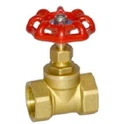
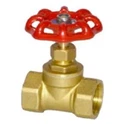
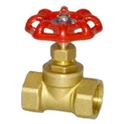
Can a brass ball valve be used in chemical applications?
As a supplier of brass ball valves, I often receive inquiries from customers regarding the suitability of our products for chemical applications. This is a crucial question, as the wrong valve material in a chemical environment can lead to corrosion, leaks, and even system failures. In this blog post, I'll explore the factors that determine whether a brass ball valve can be used in chemical applications and provide some guidance for making the right choice.

Understanding Brass and Its Properties
Brass is an alloy primarily composed of copper and zinc, with small amounts of other elements such as lead, tin, or aluminum added to enhance specific properties. The exact composition of brass can vary, which affects its corrosion resistance, strength, and other characteristics. Generally, brass offers good machinability, excellent thermal conductivity, and relatively high strength.
One of the key advantages of brass is its natural resistance to corrosion. Copper, a major component of brass, forms a protective oxide layer on its surface when exposed to air. This layer helps prevent further oxidation and corrosion. However, the effectiveness of this protective layer can be compromised in certain chemical environments.
Chemical Compatibility of Brass Ball Valves
The suitability of a brass ball valve for a chemical application depends largely on the type of chemicals it will come into contact with. Here are some common chemicals and their compatibility with brass:
Acids
- Weak Acids: Some weak acids, such as acetic acid (found in vinegar), have relatively low reactivity with brass. In these cases, a brass ball valve may be suitable for use, especially if the concentration of the acid is low and the exposure time is limited.
- Strong Acids: Strong acids like sulfuric acid, hydrochloric acid, and nitric acid can react aggressively with brass. These acids can dissolve the protective oxide layer on the brass surface, leading to rapid corrosion and deterioration of the valve. In most cases, brass ball valves are not recommended for use with strong acids.
Bases
- Weak Bases: Brass has better resistance to weak bases compared to strong acids. For example, solutions of sodium bicarbonate (baking soda) are generally compatible with brass ball valves.
- Strong Bases: Strong bases, such as sodium hydroxide (lye), can also cause corrosion of brass. The hydroxide ions in these solutions can react with the copper and zinc in brass, forming soluble metal hydroxides and leading to valve failure.
Salts
- Many salts are relatively benign to brass. However, some salts, especially those containing chloride ions (such as sodium chloride), can accelerate corrosion in the presence of moisture. This is known as chloride-induced corrosion. In environments with high humidity or where there is direct contact with saltwater, special considerations should be taken when using brass ball valves.
Organic Chemicals
- Most organic chemicals, such as alcohols, hydrocarbons, and esters, have little to no effect on brass. Brass ball valves can often be used in applications involving these types of chemicals, provided there are no other factors that could cause corrosion, such as the presence of water or other contaminants.
Factors Affecting Chemical Compatibility
In addition to the type of chemicals, several other factors can affect the chemical compatibility of brass ball valves:
Concentration
The concentration of the chemical solution plays a significant role in determining its reactivity with brass. Higher concentrations of corrosive chemicals are generally more likely to cause damage to the valve. For example, a dilute solution of hydrochloric acid may be less harmful to brass than a concentrated solution.
Temperature
Increasing temperature can accelerate chemical reactions and corrosion processes. A brass ball valve that is compatible with a certain chemical at room temperature may not be suitable for use at elevated temperatures. It's important to consider the operating temperature range of the application when selecting a valve.
Pressure
High pressure can also affect the performance of a brass ball valve in a chemical environment. The stress on the valve components increases with pressure, which can make the valve more susceptible to corrosion and mechanical failure.
Exposure Time
The longer a brass ball valve is exposed to a chemical, the greater the likelihood of corrosion. Continuous or long-term exposure to corrosive chemicals can cause significant damage to the valve, even if the chemical is relatively mild.
Applications Where Brass Ball Valves Can Be Used
Despite the limitations in some chemical environments, there are many applications where brass ball valves can be used effectively:
Water Treatment Systems
In water treatment applications, brass ball valves are commonly used for controlling the flow of water, as well as for regulating the addition of chemicals such as chlorine or pH adjusters. The relatively low reactivity of water and the mild chemicals used in water treatment make brass a suitable material for these valves.
HVAC Systems
In heating, ventilation, and air conditioning (HVAC) systems, brass ball valves are often used to control the flow of refrigerant, water, or other fluids. The chemicals used in HVAC systems, such as refrigerants and lubricants, are generally compatible with brass.
Gas Distribution Systems
Brass ball valves are also widely used in gas distribution systems, including natural gas and propane. These gases are typically non-corrosive to brass, making it a reliable choice for valve construction.
Applications Where Brass Ball Valves May Not Be Suitable
On the other hand, there are some applications where brass ball valves are not recommended:

Chemical Processing Plants
In chemical processing plants, where valves are exposed to a wide range of highly corrosive chemicals, brass ball valves are often not suitable. Stainless steel, titanium, or other corrosion-resistant materials are typically used instead.
Marine Applications
In marine environments, where valves are exposed to saltwater and high humidity, brass ball valves are prone to chloride-induced corrosion. In these applications, valves made from materials such as bronze or stainless steel are preferred.
Choosing the Right Brass Ball Valve for Chemical Applications
If you're considering using a brass ball valve in a chemical application, here are some tips to help you make the right choice:
Consult the Chemical Compatibility Chart
Many valve manufacturers provide chemical compatibility charts that list the suitability of their valves for different chemicals. Consult these charts to determine if a brass ball valve is appropriate for your application.
Consider the Valve Design
The design of the valve can also affect its performance in a chemical environment. For example, a valve with a full port design may be less prone to clogging and corrosion than a valve with a reduced port.
Look for Special Coatings or Treatments
Some brass ball valves are available with special coatings or treatments that can enhance their corrosion resistance. These coatings can provide an additional layer of protection against corrosive chemicals.
Seek Professional Advice
If you're unsure whether a brass ball valve is suitable for your application, it's always a good idea to seek professional advice. A valve expert can help you evaluate the specific requirements of your application and recommend the most appropriate valve material and design.
Our Product Range
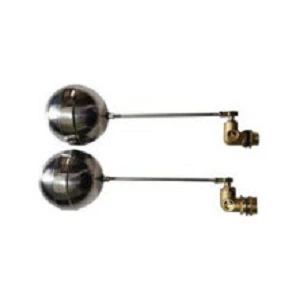
As a leading supplier of brass ball valves, we offer a wide range of products to meet the needs of various applications. Our product range includes Ball Union Valves, Brass Ball Float Valve, and Forged Brass Ball Valve. All our valves are manufactured to the highest quality standards and are designed to provide reliable performance in a variety of environments.
Conclusion
In conclusion, while brass ball valves have many advantages, their suitability for chemical applications depends on several factors, including the type of chemicals, concentration, temperature, pressure, and exposure time. In some cases, brass ball valves can be used effectively, while in others, alternative materials may be required. As a supplier of brass ball valves, we are committed to providing our customers with the information and products they need to make the right choice for their applications. If you have any questions or need further assistance, please feel free to contact us for procurement and negotiation.
References
- ASM Handbook, Volume 2: Properties and Selection: Nonferrous Alloys and Special-Purpose Materials. ASM International.
- Corrosion Resistance of Metals and Alloys. NACE International.
- Valve Selection Guide. Various valve manufacturers.