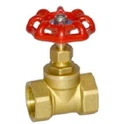
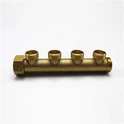
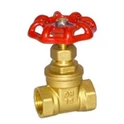
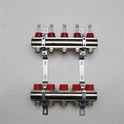
Can brass fittings be used for water pipes? That's a question I get asked a lot as a supplier of brass fittings. Let me tell you, brass fittings are like the unsung heroes of the plumbing world. They're durable, reliable, and can handle a wide range of applications, including water pipes. In this blog, I'll break down the ins and outs of using brass fittings for water pipes, so you can make an informed decision for your next plumbing project.
First off, let's talk about what makes brass such a great material for water pipes. Brass is an alloy made primarily of copper and zinc, and it has some pretty awesome properties. For starters, it's corrosion-resistant. Water can be pretty harsh on pipes over time, especially if it's hard water or has a high mineral content. But brass can stand up to the elements and resist corrosion, which means your water pipes will last longer and require less maintenance.
Another great thing about brass is its strength. It's a tough material that can handle high pressure without cracking or breaking. This is especially important for water pipes, which need to be able to withstand the force of water flowing through them. Whether you're dealing with a small residential plumbing system or a large commercial one, brass fittings can handle the pressure.
Brass is also easy to work with. It can be easily cut, shaped, and threaded, which makes it a popular choice for plumbers. This means that installation is relatively quick and easy, which can save you time and money on your plumbing project.
Now, let's talk about the different types of brass fittings that are commonly used for water pipes. There are a few different options to choose from, depending on your specific needs.
One of the most common types of brass fittings is the elbow. Elbows are used to change the direction of the water flow in a pipe. They come in different angles, such as 45 degrees and 90 degrees, so you can choose the one that's right for your project.
Another popular type of brass fitting is the tee. Tees are used to split the water flow into two or more directions. They're often used in plumbing systems where you need to connect multiple pipes together.
Couplings are another type of brass fitting that's commonly used for water pipes. Couplings are used to connect two pipes together. They come in different sizes, so you can choose the one that matches the diameter of your pipes.
In addition to these basic types of brass fittings, there are also some specialized fittings that are designed for specific applications. For example, Brass Filter 59-1 is a type of brass fitting that's used to filter out impurities from the water. This can be especially important in areas where the water quality is poor.
If you have a specific need that can't be met by off-the-shelf brass fittings, you might want to consider Custom Brass Fittings. These fittings are made to order, so you can get exactly what you need for your plumbing project.
Now, you might be wondering if there are any downsides to using brass fittings for water pipes. Well, like any material, brass has its limitations. One of the main drawbacks of brass is that it can be expensive. Compared to other materials, such as PVC or copper, brass fittings can cost more. However, the durability and reliability of brass often make it worth the extra cost in the long run.
Another potential issue with brass is that it can react with certain chemicals in the water. For example, if the water has a high level of chlorine or other disinfectants, it can cause the brass to corrode over time. This is why it's important to make sure that the water in your plumbing system is properly treated and balanced.
Despite these potential drawbacks, brass fittings are still a great choice for water pipes in most cases. They offer a combination of durability, reliability, and ease of installation that's hard to beat.
If you're in the market for brass fittings for your water pipes, I'd love to help. As a supplier of brass fittings, I have a wide range of products to choose from, including all the types of fittings I mentioned above. Whether you need a simple elbow or a custom-made fitting, I can help you find the right product for your needs.
And if you're not sure what type of fitting you need, don't worry. I have a team of experts who can answer your questions and help you make the right decision. Just give me a call or send me an email, and we can start talking about your project.
In conclusion, brass fittings can definitely be used for water pipes. They're a durable, reliable, and easy-to-work-with material that can handle a wide range of applications. While they may be more expensive than some other materials, the long-term benefits of using brass often make it worth the investment. So, if you're planning a plumbing project, consider using brass fittings for your water pipes. And if you need any help or have any questions, don't hesitate to reach out. I'm here to help you make your plumbing project a success.
If you're interested in learning more about our brass fittings or have any questions about using them for your water pipes, feel free to contact us. We'd love to start a conversation and help you find the perfect solution for your plumbing needs.
References


- "Brass Fittings: Properties and Applications." Plumbing Handbook, 2023.
- "The Chemistry of Brass and Its Interaction with Water." Journal of Plumbing Science, 2022.