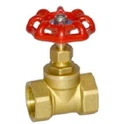
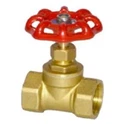
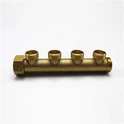
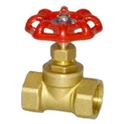
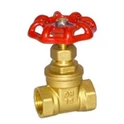
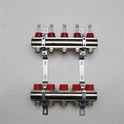
In the dynamic world of industrial equipment and plumbing solutions, brass ball valves stand out as a cornerstone product. As a supplier of brass ball valves, I've witnessed firsthand the significance of certifications in this industry. These certifications are not merely pieces of paper; they are powerful indicators of quality, safety, and compliance. In this blog post, I'll delve into what these certifications mean for a brass ball valve and why they matter to both suppliers and customers.
Quality Assurance
One of the primary functions of certifications for brass ball valves is to ensure quality. When a brass ball valve is certified, it means that it has undergone rigorous testing and meets specific standards. For example, certifications from organizations like the American Society of Mechanical Engineers (ASME) or the International Organization for Standardization (ISO) are widely recognized as benchmarks of quality. These standards cover various aspects of the valve, including material composition, manufacturing processes, and performance.
A brass ball valve that meets ASME standards, for instance, is guaranteed to have the correct dimensions, a smooth finish, and reliable sealing capabilities. This ensures that the valve will function properly in a wide range of applications, from residential plumbing to industrial processes. As a supplier, offering certified brass ball valves gives me confidence in the products I sell, and it gives my customers peace of mind knowing that they are getting a high - quality product.
Safety Compliance
Safety is paramount when it comes to brass ball valves, especially in applications where they are used to control the flow of liquids or gases. Certifications play a crucial role in ensuring that valves are safe to use. For example, valves used in the food and beverage industry may need to meet specific hygiene standards. Certifications from organizations such as the National Sanitation Foundation (NSF) indicate that the valve is made from materials that are safe for contact with food and does not leach harmful substances into the product.
In industrial settings, valves may be subject to high pressures and temperatures. Certifications like the Pressure Equipment Directive (PED) in Europe ensure that the valve can withstand these conditions without failing. A valve that is PED - certified has been tested to ensure its structural integrity under extreme pressure, reducing the risk of leaks, explosions, or other safety hazards. As a supplier, I understand the importance of providing customers with valves that meet these safety standards, as it protects both the end - users and my reputation as a reliable supplier.
Regulatory Requirements
In many regions, there are strict regulations regarding the use of brass ball valves. Certifications are often required to comply with these regulations. For example, in some countries, valves used in water supply systems must meet certain water quality standards. A valve with the appropriate certification can be legally installed in these systems, ensuring that the supplier and the end - user are in compliance with local laws.
Failure to comply with these regulations can result in fines, legal action, and damage to a company's reputation. As a supplier, I make sure that all my brass ball valves are certified to meet the relevant regulatory requirements in different markets. This not only allows me to expand my customer base but also helps my customers avoid potential legal issues.
Market Competitiveness
Certifications also give brass ball valves a competitive edge in the market. In a crowded marketplace, customers are more likely to choose a certified product over a non - certified one. A valve with recognized certifications signals to customers that it is a reliable and high - quality option. This can help me differentiate my products from those of my competitors and attract more customers.
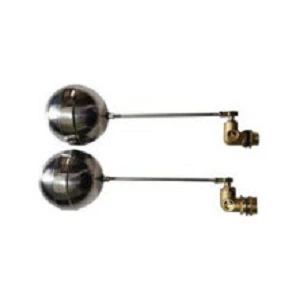
For example, if a customer is looking for a Brass Ball Float Valve, they are more likely to choose a valve that has been certified by a well - known organization. The certification serves as a form of endorsement, giving the customer confidence in their purchase. As a supplier, I invest in getting my products certified to stay ahead in the market and meet the expectations of my customers.
Types of Certifications and Their Significance
Let's take a closer look at some of the common certifications for brass ball valves and what they mean:
ISO 9001
ISO 9001 is a certification for quality management systems. When a company that manufactures brass ball valves is ISO 9001 certified, it means that they have a well - defined and documented quality management system in place. This system ensures that every step of the manufacturing process, from raw material sourcing to final product inspection, is carefully controlled. A valve from an ISO 9001 - certified manufacturer is more likely to be of consistent quality, as the company follows strict procedures to maintain high standards.
CE Certification
The CE (Conformité Européene) mark is a certification that indicates compliance with European health, safety, and environmental protection standards. For brass ball valves, CE certification means that the valve meets the requirements of relevant European directives, such as the PED for pressure equipment. A valve with the CE mark can be freely sold in the European Economic Area (EEA), which is a significant advantage for suppliers looking to expand their business in Europe.

UL Certification
Underwriters Laboratories (UL) certification is widely recognized in North America. UL tests products for safety and performance. A brass ball valve with UL certification has been tested to ensure that it meets specific safety standards, such as electrical safety in the case of valves with electric actuators. This certification is highly valued by customers in the North American market, as it provides an extra layer of assurance regarding the safety of the product.
Impact on Customer Decision - Making
When customers are in the market for brass ball valves, certifications play a significant role in their decision - making process. Most customers, especially those in industries with high - stakes applications, prioritize safety and quality. Certifications provide them with the information they need to make an informed decision.
For example, a large industrial company may be looking for a Filter Ball Valve for a critical process. They will likely only consider valves that have the appropriate certifications to ensure that the valve can handle the specific requirements of their application. As a supplier, I know that by offering certified products, I am more likely to win their business.
The Role of Certifications in Product Development
Certifications also influence the product development process. As a supplier, I need to stay updated on the latest certification requirements and standards. This drives me to invest in research and development to ensure that my brass ball valves can meet these evolving standards.
For instance, as environmental regulations become more stringent, there is a growing demand for valves that are more energy - efficient and made from sustainable materials. Certifications related to environmental performance can guide me in developing new products that meet these requirements. A PPR Nickel Plated Ball Valve may need to meet certain environmental standards, and by focusing on these certifications, I can develop a product that is both environmentally friendly and meets the needs of my customers.
Conclusion
In conclusion, certifications for brass ball valves are of utmost importance. They ensure quality, safety, and compliance with regulatory requirements. They also enhance market competitiveness and influence customer decision - making. As a supplier of brass ball valves, I am committed to providing products that are certified to the highest standards.
If you are in the market for high - quality, certified brass ball valves, I invite you to contact me for more information. Whether you need a Brass Ball Float Valve, a Filter Ball Valve, or a PPR Nickel Plated Ball Valve, I can offer you a range of options that meet your specific needs. Let's start a conversation about your requirements and how I can help you find the perfect valve solution.
References
- American Society of Mechanical Engineers (ASME) Standards
- International Organization for Standardization (ISO) Documentation
- National Sanitation Foundation (NSF) Guidelines
- Pressure Equipment Directive (PED) Regulations
- Underwriters Laboratories (UL) Testing Procedures