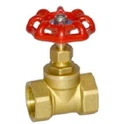
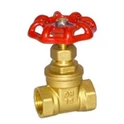
Hey there! As a supplier of Ball Union Valves, I often get asked if these valves can be used in the textile industry. Well, let's dive right into it and explore the possibilities.
First off, let's talk a bit about what Ball Union Valves are. Ball Union Valves are a type of valve that use a ball with a hole in the middle to control the flow of fluid. When the hole in the ball aligns with the flow path, fluid can pass through. When the ball is rotated so that the hole is perpendicular to the flow path, the flow is stopped. They're known for their durability, reliability, and ease of use.
Now, let's look at the textile industry. This industry is all about making fabrics and textiles, and it involves a whole bunch of processes like spinning, weaving, dyeing, and finishing. Each of these processes has its own set of requirements when it comes to fluid control.
In the spinning process, for example, there's a need to control the flow of lubricants and coolants. These fluids help keep the spinning machinery running smoothly and prevent overheating. Ball Union Valves are great for this job because they can handle different types of fluids, including oils and water - based coolants. Their tight shut - off feature ensures that there's no leakage, which is crucial to avoid contamination of the yarn.
Weaving is another important process in the textile industry. Here, there are systems that use water or air jets to insert the weft yarn. Ball Union Valves can be used to control the flow of these fluids. They can be quickly opened and closed, which is necessary for the high - speed operation of weaving machines. Their ability to handle high - pressure situations also makes them suitable for this application.
Dyeing is perhaps one of the most critical processes in the textile industry. It involves the precise control of dye solutions, water, and chemicals. Ball Union Valves can be used to regulate the flow of these substances into the dyeing machines. Their corrosion - resistant materials, such as brass, make them ideal for handling the often harsh chemicals used in dyeing. This ensures that the valves have a long lifespan and don't contaminate the dye solutions.
Finishing processes, like adding special coatings or treatments to the fabric, also require accurate fluid control. Ball Union Valves can be integrated into the systems that dispense these finishing agents. They allow for precise adjustment of the flow rate, which is essential to achieve the desired finish on the fabric.
Now, let's compare Ball Union Valves with some other types of valves that are commonly considered for the textile industry. Take the PPR Spherical Valve for example. PPR Spherical Valves are made of polypropylene random copolymer, which is a plastic material. While they're lightweight and relatively inexpensive, they may not be as durable as Ball Union Valves. They can be more prone to damage from high - pressure or high - temperature fluids, which are common in some textile processes.
Forged Brass Ball Valves, on the other hand, are similar to Ball Union Valves in many ways. Forged Brass Ball Valves are made by forging brass, which gives them a strong and dense structure. However, Ball Union Valves have the added advantage of the union feature. This makes them easier to install, remove, and maintain. In a textile factory where time is money, the ability to quickly service the valves can save a lot of downtime.
One of the key factors in the textile industry is cost - effectiveness. Ball Union Valves offer great value for money. Their long lifespan means that you don't have to replace them frequently. They also require minimal maintenance, which further reduces the overall cost of ownership. Plus, their reliability ensures that there are fewer disruptions in the production process, which is crucial for meeting production targets.


Another aspect to consider is the safety of the valves. In the textile industry, there are strict safety regulations. Ball Union Valves are designed to meet high - safety standards. Their tight shut - off prevents any accidental leakage of fluids, which could pose a safety hazard to the workers. They also have a simple and straightforward operation, which reduces the risk of operator error.
In conclusion, Ball Union Valves are definitely a great choice for the textile industry. Their versatility, durability, and ease of use make them suitable for a wide range of applications within the industry. Whether it's controlling lubricants in the spinning process, regulating water jets in weaving, handling dye solutions in dyeing, or dispensing finishing agents, Ball Union Valves can get the job done.
If you're in the textile industry and looking for reliable fluid control solutions, I highly recommend considering Ball Union Valves. We, as a supplier, have a wide range of Ball Union Valves to meet your specific needs. Whether you need a small - sized valve for a delicate operation or a large - scale valve for high - volume applications, we've got you covered.
If you're interested in learning more or want to discuss your specific requirements, feel free to reach out. We're always happy to have a chat and help you find the perfect valve for your textile processes. Let's work together to improve the efficiency and quality of your textile production.
References
- Textile Industry Handbook: A Comprehensive Guide to Textile Processes and Technologies
- Valve Technology Manual: Understanding Different Types of Valves and Their Applications