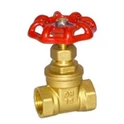
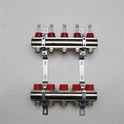
Hey there! As a heating valve supplier, I often get asked about the pressure drop across a heating valve. It's a crucial topic that can significantly impact the efficiency and performance of heating systems. So, let's dive right in and break it down.
What Exactly is Pressure Drop?
Pressure drop, in simple terms, is the difference in pressure between two points in a system. When it comes to heating valves, it's the decrease in pressure that occurs as the fluid (usually water or steam) flows through the valve. Think of it like water flowing through a pipe. If there's a narrow section or an obstacle in the pipe, the water has to work harder to get through, and that causes a drop in pressure.
In a heating system, pressure drop is important because it affects how well the fluid can circulate. If the pressure drop is too high, the pump might not be able to push the fluid through the system effectively, leading to reduced heat output and inefficient operation. On the other hand, if the pressure drop is too low, it could indicate that the valve is too large or not properly sized for the system, which can also lead to inefficiencies.
Factors Affecting Pressure Drop Across a Heating Valve
There are several factors that can influence the pressure drop across a heating valve. Let's take a look at some of the most important ones:
Valve Size and Type
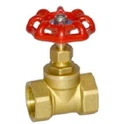
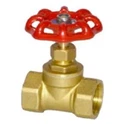
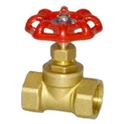
The size and type of the valve play a significant role in determining the pressure drop. Different types of valves, such as Duplex Valve and Manual Radiator Valve, have different flow characteristics. For example, a globe valve typically has a higher pressure drop compared to a ball valve because of its more complex internal design.
The size of the valve also matters. A valve that is too small for the flow rate will cause a higher pressure drop as the fluid has to squeeze through a narrow opening. Conversely, a valve that is too large may not provide enough resistance, resulting in a lower pressure drop but potentially inefficient operation.
Flow Rate
The flow rate of the fluid through the valve is another crucial factor. As the flow rate increases, the pressure drop across the valve also increases. This is because the fluid has to move faster through the valve, and more energy is required to overcome the resistance. It's important to select a valve that can handle the expected flow rate in the heating system to ensure optimal performance.
Fluid Properties
The properties of the fluid, such as its viscosity and density, can also affect the pressure drop. For example, a more viscous fluid will experience a higher pressure drop compared to a less viscous one because it has more resistance to flow. Similarly, a denser fluid will require more energy to move through the valve, resulting in a higher pressure drop.
Valve Opening
The degree to which the valve is open can have a significant impact on the pressure drop. When the valve is fully open, the pressure drop is usually at its lowest because there is less resistance to the flow. As the valve is closed, the pressure drop increases as the fluid has to pass through a smaller opening.
Calculating Pressure Drop
Calculating the pressure drop across a heating valve can be a bit complex, but there are some methods and equations that can be used. One common approach is to use the valve's flow coefficient (Cv), which is a measure of the valve's capacity to pass fluid. The Cv value is usually provided by the valve manufacturer and can be used to calculate the pressure drop based on the flow rate and fluid properties.
The formula for calculating the pressure drop (ΔP) using the Cv value is:
ΔP = (Q / Cv)^2 * SG
Where:
- ΔP is the pressure drop in psi
- Q is the flow rate in gallons per minute (GPM)
- Cv is the valve's flow coefficient
- SG is the specific gravity of the fluid
It's important to note that this formula is a simplified approximation and may not be accurate for all situations. In more complex systems, other factors such as pipe friction, fittings, and elevation changes may also need to be considered.
Importance of Managing Pressure Drop
Managing the pressure drop across a heating valve is crucial for the efficient operation of the heating system. Here are some reasons why:
Energy Efficiency
A properly sized and operated valve with an appropriate pressure drop can help improve the energy efficiency of the heating system. By reducing the pressure drop, the pump doesn't have to work as hard to circulate the fluid, which can result in lower energy consumption and cost savings.
System Performance
Maintaining the right pressure drop ensures that the heating system can deliver the desired amount of heat to the different zones. If the pressure drop is too high, some areas may not receive enough heat, while if it's too low, the system may not be able to control the temperature effectively.
Equipment Lifespan
Excessive pressure drop can put additional stress on the pump and other components in the heating system, leading to premature wear and failure. By managing the pressure drop, the lifespan of the equipment can be extended, reducing maintenance and replacement costs.
Selecting the Right Heating Valve
As a heating valve supplier, I understand the importance of selecting the right valve for the job. Here are some tips to help you choose the best valve for your heating system:
Consider the System Requirements
Before selecting a valve, it's important to understand the specific requirements of the heating system, such as the flow rate, pressure, and temperature. This will help you choose a valve that can handle the operating conditions and provide the desired performance.
Evaluate the Valve Type
There are different types of heating valves available, each with its own advantages and disadvantages. Consider the application and the specific needs of the system when choosing the valve type. For example, if precise flow control is required, a modulating valve may be a better choice, while a on/off valve may be sufficient for simpler systems.


Check the Valve Sizing
Proper valve sizing is crucial to ensure optimal performance. Make sure to select a valve that is the right size for the flow rate and pressure in the system. You can use the valve's Cv value and the system requirements to determine the appropriate size.
Look for Quality and Reliability
Choose a valve from a reputable manufacturer that offers high-quality products. A reliable valve will be less likely to fail and will provide long-term performance and durability.
Conclusion
In conclusion, the pressure drop across a heating valve is an important factor that can significantly impact the efficiency and performance of heating systems. By understanding the factors that affect pressure drop, calculating it accurately, and selecting the right valve, you can ensure that your heating system operates at its best.
If you're in the market for heating valves or have any questions about pressure drop or heating system performance, don't hesitate to get in touch. As a heating valve supplier, I'm here to help you find the right solutions for your needs. Let's work together to ensure your heating system runs smoothly and efficiently.
References
- Crane Co., "Flow of Fluids Through Valves, Fittings, and Pipe," Technical Paper No. 410.
- ASHRAE Handbook - HVAC Systems and Equipment, American Society of Heating, Refrigerating and Air-Conditioning Engineers.