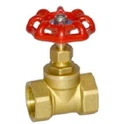
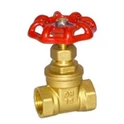
Hey there! I'm a supplier of gas valves, and today I wanna chat about the disadvantages of a gate gas valve. Gate gas valves are pretty common in the gas industry, but like any product, they've got their downsides.
Slow Operation
One of the biggest drawbacks of gate gas valves is their slow operation. Unlike some other types of valves that can be opened or closed quickly, gate valves require multiple turns of the valve stem to fully open or close. This is because the gate inside the valve has to move up or down a threaded stem. For instance, if there's an emergency situation where you need to shut off the gas supply immediately, a gate gas valve might not be the best choice. You can't just flick a switch and get an instant response. It takes time to turn the handle multiple times until the gate fully blocks the flow of gas. This delay could potentially lead to safety hazards, especially in cases where a rapid gas shut - off is crucial.


Limited Throttling Capability
Gate gas valves aren't great for throttling the flow of gas. Throttling means controlling the amount of gas flowing through the valve. When a gate valve is partially open, the flow of gas creates a high - velocity stream that can cause the gate to vibrate. This vibration can lead to damage to the valve over time. The gate might start to wear out, and the sealing surfaces can get scratched or pitted. As a result, the valve may not be able to provide a tight seal when fully closed, leading to gas leaks. If you need to precisely control the gas flow in your system, you might want to look into other types of valves, like the Handle Gas Valve which can offer better throttling performance.
High Maintenance Requirements
These valves often need more maintenance compared to some other valve types. The moving parts inside the gate valve, such as the stem and the gate, are subject to wear and tear. The threads on the stem can get dirty or corroded, especially in environments where there's a lot of dust or moisture. This can make it difficult to turn the valve, and in some cases, the valve might even get stuck. Regular maintenance involves cleaning, lubricating the moving parts, and inspecting the sealing surfaces for any signs of damage. If the valve isn't maintained properly, it can fail to function correctly, which can be a big problem in a gas system.
Susceptibility to Corrosion
Gate gas valves are often made of metal, and metals are prone to corrosion. If the valve is exposed to a corrosive environment, such as a place with high humidity or where there are chemicals in the air, the metal parts can start to rust. Corrosion can weaken the valve structure, and it can also affect the sealing performance. A corroded valve might not be able to close tightly, allowing gas to leak. For example, in coastal areas where the air has a high salt content, gate valves can corrode more quickly. To combat corrosion, special coatings can be applied to the valve, but these coatings also need to be maintained and can wear off over time.
Difficult to Repair
When a gate gas valve breaks down, it can be quite difficult to repair. The internal structure of the valve is complex, and getting to the damaged parts can be a challenge. In some cases, you might need to disassemble the entire valve, which requires specialized tools and skills. If the gate or the stem is severely damaged, it might be more cost - effective to replace the whole valve rather than trying to repair it. This can be a hassle, especially if you're in the middle of an operation and need the valve to be up and running as soon as possible.
Poor Sealing in Low - Pressure Systems
Gate valves rely on the pressure of the gas to help create a tight seal. In low - pressure gas systems, the pressure might not be enough to fully seat the gate against the sealing surfaces. This can result in small gas leaks, even when the valve is supposed to be closed. In applications where a low - pressure gas supply is used, like some small - scale residential or laboratory setups, the sealing issues of gate valves can be a significant drawback. You might want to consider a Gas Regulator Valve which can provide better sealing performance in low - pressure situations.
Space Requirements
Gate gas valves usually have a larger physical size compared to some other valve types. They need space for the stem to move up and down when the valve is opened and closed. This can be a problem in installations where space is limited. For example, in a cramped machinery room or a small pipeline system, fitting a gate valve might be difficult. You need to make sure there's enough clearance around the valve for easy operation and maintenance. In such cases, a more compact valve like the Double - Fork Gas Valve could be a better option.
Conclusion
So, as you can see, while gate gas valves have been used in the gas industry for a long time, they come with several disadvantages. Slow operation, limited throttling capability, high maintenance requirements, susceptibility to corrosion, difficulty in repair, poor sealing in low - pressure systems, and large space requirements are all factors that you need to consider when choosing a valve for your gas system.
If you're in the market for gas valves and are looking for alternatives to gate gas valves that can offer better performance and fewer drawbacks, I'd love to talk to you. We can have a chat about your specific needs and find the right valve solution for your application. Whether it's the Handle Gas Valve, Gas Regulator Valve, or Double - Fork Gas Valve, we've got a range of options to suit different requirements. Let's get in touch and start the conversation about your gas valve needs!
References
- "Valve Handbook: Principles and Applications" by J. Bjorkman
- "Gas System Design and Installation Guide" by the National Gas Association