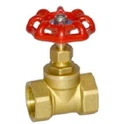
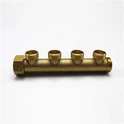
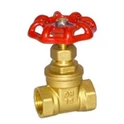
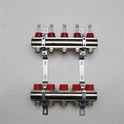
Can a duplex valve be used in gas systems? That's a question I get asked a lot as a supplier of Duplex Valve. In this blog, I'm gonna break down the ins and outs of using duplex valves in gas systems, sharing my knowledge and experience in the field.
Let's start with the basics. What exactly is a duplex valve? A duplex valve is a type of valve that combines two valves into one unit. This design allows for more efficient control of fluid or gas flow. It can be used to isolate different parts of a system, regulate flow rates, or provide backup in case one valve fails.
Now, when it comes to gas systems, there are some unique considerations. Gas is a highly volatile substance, and safety is of the utmost importance. So, can a duplex valve be safely used in a gas system? The answer is yes, but with some important caveats.
First of all, the duplex valve you choose must be specifically designed for use with gas. Not all valves are created equal, and using the wrong valve in a gas system can lead to serious safety hazards. When selecting a duplex valve for a gas system, look for valves that are certified for gas use. These certifications ensure that the valve meets strict safety standards and has been tested to withstand the pressures and conditions typically found in gas systems.
Another important factor to consider is the type of gas you'll be using. Different gases have different properties, and some gases may require special valve materials or designs. For example, natural gas is a common fuel used in many residential and commercial applications. It's relatively clean-burning and non-corrosive, so a standard duplex valve made from brass or stainless steel may be suitable. However, if you're working with a more corrosive gas, such as hydrogen sulfide or chlorine, you'll need a valve made from a material that can resist corrosion, like Hastelloy or Inconel.
In addition to the valve material, you also need to consider the pressure rating of the valve. Gas systems can operate at a wide range of pressures, from low-pressure systems used in residential heating to high-pressure systems used in industrial applications. Make sure the duplex valve you choose has a pressure rating that is appropriate for your specific gas system. Using a valve with a lower pressure rating than required can lead to valve failure and potentially dangerous gas leaks.
Now, let's talk about the benefits of using a duplex valve in a gas system. One of the main advantages is the added safety and reliability. With two valves in one unit, you have a built-in backup in case one valve fails. This can help prevent gas leaks and ensure the continued operation of your gas system. Additionally, a duplex valve can provide more precise control of gas flow, allowing you to adjust the flow rate as needed. This can be especially useful in applications where precise control is required, such as in industrial processes or in heating systems.
Another benefit of using a duplex valve is the space-saving design. By combining two valves into one unit, you can reduce the amount of space required for your gas system. This can be particularly important in applications where space is limited, such as in small residential buildings or in mobile gas systems.
However, it's important to note that using a duplex valve in a gas system also comes with some challenges. One of the main challenges is the increased complexity of the system. With two valves in one unit, there are more components that can potentially fail, and troubleshooting can be more difficult. Additionally, the installation and maintenance of a duplex valve may require more specialized knowledge and skills than a single valve.
To ensure the proper installation and maintenance of a duplex valve in a gas system, it's important to work with a qualified professional. A professional installer or technician will have the knowledge and experience to select the right valve for your specific gas system, install it correctly, and perform regular maintenance to keep it in good working condition.
In addition to working with a professional, it's also important to follow all safety guidelines and regulations when using a duplex valve in a gas system. This includes properly grounding the valve, using the correct fittings and connections, and performing regular inspections and tests to check for leaks and other potential problems.
So, in conclusion, a duplex valve can be used in gas systems, but it's important to choose the right valve, consider the type of gas and pressure rating, and follow all safety guidelines and regulations. By doing so, you can enjoy the benefits of added safety, reliability, and precise control, while minimizing the risks and challenges associated with using a duplex valve in a gas system.


If you're interested in learning more about Duplex Valve for your gas system or have any questions about our products, feel free to reach out. We're here to help you find the right valve solution for your specific needs and ensure the safe and efficient operation of your gas system. And if you're also looking for other types of valves, like Manual Radiator Valve, we've got you covered too. Just drop us a line, and let's start a conversation about your valve requirements.
References
- ASME B16.34 - Valves - Flanged, Threaded, and Welded End
- API 602 - Compact Steel Gate Valves
- ISO 5208 - Industrial Valves - Pressure Testing of Valves