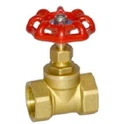
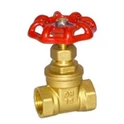
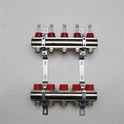
As a seasoned supplier of heating valves, I often get asked about the maximum temperature a heating valve can withstand. This is a crucial question, especially when it comes to ensuring the safety and efficiency of heating systems. In this blog post, I'll delve into the factors that determine a heating valve's temperature tolerance, the different types of heating valves and their temperature capabilities, and how to choose the right valve for your specific heating needs.
Factors Affecting a Heating Valve's Temperature Tolerance
Several factors play a role in determining how much heat a heating valve can handle. The most significant of these are the materials used in the valve's construction, its design, and the type of fluid it controls.
Materials
The materials from which a heating valve is made are perhaps the most critical factor in its temperature tolerance. Common materials include brass, stainless steel, and various types of plastics.
Brass is a popular choice for heating valves due to its excellent corrosion resistance and relatively high thermal conductivity. It can typically withstand temperatures up to around 200°C (392°F). However, the exact temperature limit can vary depending on the specific alloy of brass used. For instance, some high - strength brass alloys may have a slightly higher temperature tolerance.


Stainless steel is another option known for its durability and resistance to high temperatures. It can handle temperatures well above those of brass, often up to 400°C (752°F) or even higher, depending on the grade. Stainless steel valves are commonly used in industrial heating applications where extreme temperatures are involved.
Plastic valves, on the other hand, have a much lower temperature tolerance. They are usually suitable for applications where the fluid temperature does not exceed 80 - 90°C (176 - 194°F). While they are lightweight and cost - effective, they are not recommended for high - temperature heating systems.
Design
The design of the heating valve also impacts its temperature resistance. Valves with a simple design and fewer moving parts are generally more likely to withstand high temperatures. Complex designs with multiple seals and gaskets may be more prone to failure at elevated temperatures as the materials used in these components can degrade.
For example, a valve with a well - designed thermal expansion mechanism can better adapt to temperature changes without losing its functionality. This type of design helps prevent over - stressing of the valve components, which could lead to leaks or other malfunctions.
Fluid Type
The type of fluid flowing through the heating valve can affect its temperature tolerance. Water is the most common fluid in heating systems, and most heating valves are designed to handle water at typical heating system temperatures. However, if the fluid contains corrosive substances or has a high viscosity, it can put additional stress on the valve and reduce its effective temperature tolerance.
For instance, in some industrial processes, the fluid may be a mixture of chemicals that can react with the valve materials at high temperatures. This can lead to corrosion and premature failure of the valve.
Types of Heating Valves and Their Temperature Capabilities
There are several types of heating valves available in the market, each with its own temperature - handling capabilities.
Manual Radiator Valve
A Manual Radiator Valve is a common type of valve used in residential heating systems. These valves are typically made of brass and are designed to control the flow of hot water into radiators. They can generally withstand temperatures up to 120 - 150°C (248 - 302°F), which is sufficient for most domestic heating applications.
Manual radiator valves are easy to operate and allow users to adjust the heat output of individual radiators. They are often used in combination with thermostatic radiator valves to provide more precise temperature control.
Thermostatic Radiator Valve (TRV)
Thermostatic radiator valves are similar to manual radiator valves but have an additional thermostatic element that automatically adjusts the flow of hot water based on the room temperature. The temperature tolerance of TRVs is similar to that of manual radiator valves, usually in the range of 120 - 150°C (248 - 302°F).
These valves are popular in energy - efficient heating systems as they help maintain a consistent room temperature and reduce energy consumption by only allowing hot water into the radiator when needed.
Ball Valve
Ball valves are known for their durability and ability to handle high - pressure and high - temperature applications. They are commonly made of brass or stainless steel. Brass ball valves can typically withstand temperatures up to 200°C (392°F), while stainless steel ball valves can handle much higher temperatures, often up to 400°C (752°F) or more.
Ball valves work by rotating a ball with a hole in it to control the flow of fluid. They provide a tight seal and are suitable for both on - off and throttling applications in heating systems.
Duplex Valve
A Duplex Valve is a type of valve that combines the functions of two valves in one unit. It is often used in heating systems where redundancy is required. Duplex valves can be made of various materials, and their temperature tolerance depends on the material used. Brass duplex valves can handle temperatures up to around 200°C (392°F), while stainless steel ones can withstand much higher temperatures.
These valves are useful in applications where continuous operation is essential, as they allow for maintenance or replacement of one valve while the other remains in operation.
Choosing the Right Heating Valve for Your Application
When selecting a heating valve, it's crucial to consider the maximum temperature of your heating system. Here are some steps to help you make the right choice:
- Determine the System Temperature: First, find out the maximum temperature that the heating system will reach. This can usually be obtained from the system specifications or by consulting a heating engineer.
- Consider the Fluid Type: As mentioned earlier, the type of fluid in the system can affect the valve's performance. If the fluid is corrosive or has a high viscosity, you may need to choose a valve made of a more resistant material.
- Evaluate the Valve Type: Different valve types have different functions and temperature capabilities. For example, if you need precise temperature control in a residential setting, a thermostatic radiator valve may be the best choice. For industrial applications with high temperatures, a stainless steel ball valve or duplex valve may be more suitable.
- Check the Manufacturer's Specifications: Always refer to the manufacturer's specifications for the valve's temperature tolerance and other performance parameters. This will ensure that the valve you choose is compatible with your heating system.
Conclusion
In conclusion, the maximum temperature a heating valve can withstand depends on several factors, including the materials used, the design, and the type of fluid it controls. Different types of heating valves have different temperature capabilities, ranging from around 80 - 90°C (176 - 194°F) for plastic valves to over 400°C (752°F) for some stainless steel valves.
As a heating valve supplier, I understand the importance of choosing the right valve for your specific heating needs. If you're in the market for heating valves and need help selecting the appropriate ones for your system, don't hesitate to reach out. Our team of experts is ready to assist you in making the best choice for your heating application. Contact us today to start a discussion about your requirements and explore our wide range of high - quality heating valves.
References
- ASHRAE Handbook of Heating, Ventilating, and Air - Conditioning Systems and Equipment
- Valve Manufacturers Association (VMA) Technical Publications
- Engineering textbooks on fluid mechanics and valve design