Hey there! As a supplier of Duplex Valves, I often get asked a bunch of questions about where our valves can be used. One question that pops up quite a bit is, "Can a duplex valve be used in a cryogenic environment?" Well, let's dig into this topic and find out.


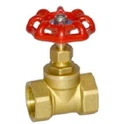
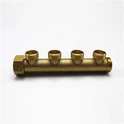
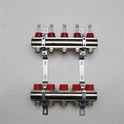
First off, let's talk a bit about what a Duplex Valve is. A duplex valve is a type of valve that combines two functions or two valves into one unit. It's pretty handy in a lot of applications because it can save space and simplify the piping system. Usually, it's used in heating systems, and you might also find it in some industrial setups. For example, in a heating system, it can control the flow of hot water to different parts of a building.
Now, let's move on to cryogenic environments. Cryogenic environments are those where the temperatures are extremely low, usually below -150°C (-238°F). These kinds of environments are found in industries like aerospace, food freezing, and some scientific research. In aerospace, cryogenic fuels like liquid oxygen and liquid hydrogen are used, and they need to be stored and transferred at very low temperatures. In the food industry, cryogenic freezing is used to preserve food quickly and keep its quality.
So, can a duplex valve handle these super - cold temperatures? Well, it depends on a few factors.
Material Matters
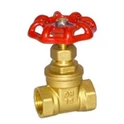
The first thing to consider is the material of the duplex valve. Most standard duplex valves are made of brass or other common metals. These materials are great for normal temperature applications, but they can become brittle in cryogenic environments. When a material becomes brittle, it's more likely to crack or break under stress.
For cryogenic use, we need materials that can withstand the cold. Stainless steel is a popular choice. Stainless steel has good toughness at low temperatures, which means it can bend a bit without breaking. Some special alloys are also used in cryogenic valves. These alloys are designed to maintain their mechanical properties even in extremely cold conditions. So, if you're thinking of using a duplex valve in a cryogenic environment, make sure it's made of a suitable cryogenic - grade material.
Sealing Challenges
Another important aspect is the sealing of the valve. In a cryogenic environment, the seals need to work just as well as in normal conditions. But the cold can cause the seals to shrink or become less flexible. If the seals don't work properly, it can lead to leaks.
For cryogenic applications, special seals are used. Elastomers, which are commonly used as seals in normal valves, may not be suitable for cryogenic use. Instead, materials like PTFE (polytetrafluoroethylene) are often used. PTFE has good chemical resistance and can maintain its sealing properties at low temperatures. It's also less likely to shrink or harden in the cold.
Design Considerations
The design of the duplex valve also plays a crucial role. The valve should be designed to minimize heat transfer. In a cryogenic system, we want to keep the cold fluid cold. If too much heat from the outside gets into the valve, it can cause the cryogenic fluid to vaporize.
A well - designed cryogenic duplex valve will have features like insulation. Insulation helps to reduce the heat transfer and keep the temperature of the fluid inside the valve stable. Also, the valve should be designed to allow for easy maintenance. In a cryogenic environment, it can be difficult to access and repair the valve, so a design that makes maintenance easier is a big plus.
Advantages of Using Duplex Valves in Cryogenic Environments
If you can find a duplex valve that meets the cryogenic requirements, there are some advantages to using it.
One advantage is the space - saving aspect. In a cryogenic system, space can be limited, especially in aerospace applications where every inch counts. A duplex valve combines two functions into one unit, which means you need less space in the piping system.
Another advantage is the cost - effectiveness. Buying two separate valves and installing them can be more expensive than using a single duplex valve. And since a duplex valve simplifies the piping system, it can also reduce the installation time and cost.
Other Valve Options
If a duplex valve doesn't seem right for your cryogenic application, there are other valve options. Manual Radiator Valve is a type of valve that you might consider. Manual radiator valves are used to control the flow of hot water in heating systems, but some models can be adapted for cryogenic use with the right modifications. However, they may not offer the same combined functionality as a duplex valve.
Conclusion
In conclusion, a duplex valve can be used in a cryogenic environment, but it needs to be specially designed and made of suitable materials. If you're in an industry that requires cryogenic valves, make sure to do your research and choose a valve that can handle the cold.
As a supplier of duplex valves, we have a range of products that can be customized for cryogenic use. We understand the unique challenges of cryogenic environments and can provide you with the right valve solution. Whether you're in the aerospace, food, or scientific research industry, we're here to help.
If you're interested in our duplex valves for cryogenic applications or have any questions about them, don't hesitate to reach out. We can discuss your specific needs and provide you with a suitable product. Let's work together to find the best valve solution for your cryogenic system.
References
- ASME B31.3 Process Piping Code
- API 6D Specification for Pipeline Valves
- ISO 15848 - 1 Industrial valves - Measurement, test and qualification procedures for fugitive emissions