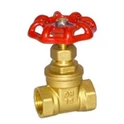
As a seasoned gas valve supplier, I understand the critical importance of proper installation for gas valves. In this blog, I'll delve into the installation requirements for gas valves, providing you with a comprehensive guide to ensure safety, efficiency, and compliance.
1. Safety First: General Safety Precautions
Before any installation work begins, it's essential to prioritize safety. Gas valves handle flammable gases, and any mishap can lead to serious consequences. Here are some general safety precautions:
- Ventilation: Ensure the installation area is well - ventilated. This helps to disperse any potential gas leaks and reduces the risk of gas accumulation, which can be explosive.
- Shut - off the Gas Supply: Always turn off the main gas supply before starting the installation. This can prevent gas from flowing during the installation process and minimize the risk of leaks.
- Use Proper Tools: Use tools that are specifically designed for gas valve installation. This includes wrenches of the correct size and type to avoid damaging the valve or the pipeline.
- Inspect for Leaks: After installation, conduct a thorough leak test. You can use a soapy water solution to check for bubbles at the connection points. If bubbles appear, there is a leak, and you need to re - tighten the connections or replace faulty parts.
2. Location and Mounting
The location where the gas valve is installed is crucial for its proper functioning and safety.
- Accessibility: The gas valve should be installed in an easily accessible location. This allows for easy operation, maintenance, and inspection. For example, in a residential setting, a gas valve for a water heater should be installed where it can be reached without moving heavy objects or climbing to difficult heights.
- Avoiding Obstructions: Ensure that there are no obstructions around the gas valve. This includes pipes, wires, or other equipment that could interfere with the valve's operation or make it difficult to access.
- Mounting Surface: The valve should be mounted on a stable and flat surface. A wobbly or uneven mounting surface can cause stress on the valve and its connections, leading to leaks over time. Use appropriate mounting brackets or hardware to secure the valve firmly.
3. Compatibility with Gas Type
Different gas valves are designed to work with specific types of gases, such as natural gas, propane, or butane.
- Gas Pressure: Each gas type has a specific pressure range at which it operates. The gas valve must be rated to handle the pressure of the gas it will be used with. For example, natural gas typically has a lower pressure compared to propane. Using a valve that is not rated for the correct gas pressure can lead to improper operation, leaks, or even valve failure.
- Gas Composition: The composition of the gas can also affect the valve's performance. Some gases may contain impurities or additives that can corrode or damage certain valve materials. Make sure the valve is made of materials that are compatible with the gas composition.
4. Pipe Sizing and Connection
Proper pipe sizing and connection are essential for the efficient and safe operation of the gas valve.


- Pipe Size: The diameter of the pipes connected to the gas valve should be appropriate for the flow rate of the gas. Using pipes that are too small can restrict the gas flow, leading to reduced performance of the equipment connected to the valve. On the other hand, using pipes that are too large can result in inefficient gas distribution.
- Connection Type: There are different types of connections for gas valves, such as threaded, flanged, or compression connections. Choose the connection type that is suitable for the valve and the pipes. Ensure that the connections are clean, free of debris, and properly tightened. For threaded connections, use pipe sealant to prevent leaks.
5. Electrical Requirements (if applicable)
Some gas valves are electrically operated, and they have specific electrical requirements.
- Voltage and Amperage: The valve must be connected to a power source with the correct voltage and amperage. Using the wrong electrical supply can damage the valve's electrical components and cause it to malfunction.
- Wiring: The wiring for the valve should be installed according to electrical codes. Use appropriate wire gauges and ensure that the wires are properly insulated. Avoid running the wires near heat sources or in areas where they can be damaged.
6. Compliance with Codes and Standards
Gas valve installation must comply with local, national, and international codes and standards.
- Local Building Codes: These codes specify the requirements for gas valve installation in a particular area. They may include rules regarding location, ventilation, and safety features. Make sure to check and follow the local building codes before installing a gas valve.
- Industry Standards: There are also industry - wide standards, such as those set by the American National Standards Institute (ANSI) or the International Organization for Standardization (ISO). These standards ensure the quality and safety of gas valves and their installation.
Our Gas Valve Products
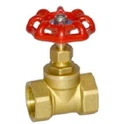
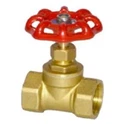
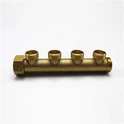
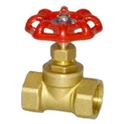
At our company, we offer a wide range of high - quality gas valves, including the Trident Gas Valve, Double - Fork Gas Valve, and Handle Gas Valve. Our valves are designed to meet the highest safety and performance standards, and they come with detailed installation instructions to ensure proper installation.
If you are in need of gas valves for your project, whether it's a residential, commercial, or industrial application, we are here to help. Our team of experts can provide you with technical support and guidance on installation requirements. We understand that every project is unique, and we are committed to finding the best gas valve solutions for you.
Contact us today to start a discussion about your gas valve needs. We look forward to working with you and ensuring that your gas valve installation is a success.
References
- National Fire Protection Association (NFPA). NFPA 54/NFPA 58: National Fuel Gas Code.
- American Society of Mechanical Engineers (ASME). Boiler and Pressure Vessel Code.
- Local building and safety codes.