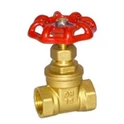
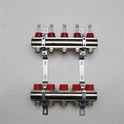
How to test the quality of a brass valve body?
As a trusted supplier of brass valve bodies, I understand the paramount importance of quality in the valve industry. A high - quality brass valve body not only ensures the efficient operation of various systems but also guarantees long - term reliability. In this blog, I will share several key methods to test the quality of a brass valve body.
1. Visual Inspection
Visual inspection is the first and most straightforward step in assessing the quality of a brass valve body. Begin by examining the surface finish of the valve body. A high - quality brass valve body should have a smooth, uniform surface without any visible scratches, pits, or cracks. These surface imperfections can weaken the valve body over time and may lead to leakage or failure.
Check the color of the brass. Uniform color indicates consistent material composition and proper manufacturing processes. Any discoloration or uneven coloring could suggest issues such as improper heat treatment or contamination during production.
Also, pay attention to the casting details. Look for sharp edges and well - defined shapes. If the valve body has complex geometries, ensure that all features are accurately cast without any signs of distortion or misalignment.
2. Dimensional Accuracy
Accurate dimensions are crucial for the proper installation and functioning of a brass valve body. Use precision measuring tools such as calipers, micrometers, and gauges to measure critical dimensions. Compare the measured values with the design specifications.
For example, check the diameter of the valve ports. An incorrect port diameter can affect the flow rate and pressure within the system. Measure the length, width, and height of the valve body to ensure it fits correctly into the intended installation space.
In addition, verify the thread dimensions if the valve body has threaded connections. Incorrect thread pitch or diameter can lead to leaky joints. We offer various types of brass valve bodies, including the External Thread Three - way Valve Body, where accurate thread dimensions are of utmost importance for proper assembly.
3. Material Composition Analysis
The material composition of a brass valve body significantly impacts its performance and durability. There are several methods to analyze the material composition.
One common method is chemical analysis. This can be done using techniques such as spectroscopy. Spectroscopy can accurately determine the percentage of different elements in the brass alloy, such as copper, zinc, lead, and other trace elements. A proper brass alloy composition should meet industry standards to ensure corrosion resistance, strength, and other desirable properties.
Another approach is hardness testing. Different brass alloys have different hardness levels. By using a hardness tester, you can measure the hardness of the valve body. A valve body with the correct hardness is less likely to deform under pressure and is more resistant to wear and tear.
4. Pressure Testing
Pressure testing is essential to ensure that the brass valve body can withstand the operating pressures of the system. There are two main types of pressure tests: hydrostatic testing and pneumatic testing.
Hydrostatic Testing: In hydrostatic testing, the valve body is filled with water and then pressurized to a specified level for a certain period. The pressure is typically set higher than the normal operating pressure to simulate extreme conditions. During the test, carefully inspect the valve body for any signs of leakage, such as water seepage at joints or through the body itself.
Pneumatic Testing: Pneumatic testing uses compressed air or gas instead of water. It is often used when water - based testing is not suitable, such as in applications where water could cause damage or contamination. Similar to hydrostatic testing, the valve body is pressurized, and any leaks are detected by listening for hissing sounds or using leak - detection sprays.
5. Corrosion Resistance Testing
Brass valve bodies are often exposed to various corrosive environments, such as water, chemicals, and humidity. Testing the corrosion resistance of the valve body is crucial to ensure its long - term performance.
One simple way to test corrosion resistance is the salt - spray test. In this test, the valve body is placed in a chamber where a salt - water solution is sprayed onto its surface. The test is conducted over a specific period, and the valve body is then inspected for signs of corrosion, such as rust or pitting.
We also offer specialized brass valve bodies like the Pickled Brass Valve Body and Chrome - Plated Brass Body, which are designed to have enhanced corrosion resistance. These finishes can be further tested for their ability to protect the underlying brass from corrosion.
6. Flow Characteristics Testing
The flow characteristics of a brass valve body determine how well it can control the flow of fluid through the system. To test the flow characteristics, a flow - testing rig can be used.
The valve body is installed in the rig, and a fluid (usually water or a similar liquid) is pumped through it at a known pressure. The flow rate is measured using flow meters, and the pressure drop across the valve body is recorded. These measurements can be used to calculate the valve's flow coefficient (Cv), which is a measure of its flow capacity.
A high - quality valve body should have a consistent and predictable flow coefficient within the specified range. Any significant deviations from the expected flow characteristics could indicate internal blockages, improper valve design, or manufacturing defects.


7. Operational Testing
Finally, operational testing is essential to ensure that the brass valve body functions as intended in real - world conditions. This involves installing the valve body in a test system and operating it through a series of cycles.
Check the ease of operation, such as the smoothness of valve opening and closing. The valve should open and close without excessive force or binding. Listen for any abnormal noises during operation, which could indicate internal damage or misalignment.
Verify the sealing performance of the valve. A properly functioning valve should be able to prevent fluid leakage when fully closed.
In conclusion, testing the quality of a brass valve body is a comprehensive process that involves multiple steps and techniques. By conducting these tests, we can ensure that our customers receive high - quality brass valve bodies that meet their specific requirements.
If you are in the market for high - quality brass valve bodies and want to discuss your procurement needs, we are here to assist you. Our team of experts can provide detailed information about our products and help you choose the right valve body for your application. Contact us to start a productive procurement discussion.
References
- ASME B16.34 - Valve Flanges and Fittings
- ASTM B151 - Standard Specification for Copper - Zinc (Brass) Rods, Bars, and Shapes
- API 598 - Valve Inspection and Testing