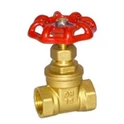
As a supplier of PPR spherical valves, I often encounter inquiries about the different connection methods for these valves. In this blog post, I'll delve into the various connection methods available for PPR spherical valves, their advantages, and applications.
Understanding PPR Spherical Valves
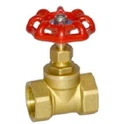
PPR (Polypropylene Random Copolymer) spherical valves are widely used in plumbing and fluid control systems due to their durability, corrosion resistance, and ease of installation. These valves feature a spherical disc that rotates within the valve body to control the flow of fluid. They are commonly used in residential, commercial, and industrial applications for regulating the flow of water, gas, and other fluids.
Common Connection Methods for PPR Spherical Valves
1. Welded Connection
Welded connections are one of the most common methods for joining PPR spherical valves to PPR pipes. This method involves using a special welding machine to heat the ends of the valve and the pipe until they reach a molten state. The two parts are then quickly joined together and held in place until the plastic cools and solidifies, creating a strong, leak-proof bond.
Advantages:
- Leak-proof: Welded connections provide a permanent, leak-proof seal, making them ideal for applications where preventing leaks is critical, such as in water supply systems.
- Strong and Durable: The welded joint is as strong as the pipe itself, ensuring long-term reliability and resistance to pressure and temperature changes.
- Smooth Flow: The smooth interior surface of the welded joint minimizes flow resistance, allowing for efficient fluid flow.
Applications:
- Residential Plumbing: Welded connections are commonly used in residential plumbing systems for connecting PPR spherical valves to water supply pipes.
- Industrial Applications: They are also suitable for industrial applications where high-pressure and high-temperature fluids are involved, such as in chemical processing plants and power generation facilities.
2. Threaded Connection
Threaded connections involve screwing the PPR spherical valve onto a threaded pipe or fitting. This method is relatively simple and does not require any special tools or equipment. Threaded connections are available in different thread types, such as NPT (National Pipe Thread) and BSP (British Standard Pipe), to accommodate various pipe standards.
Advantages:
- Easy Installation: Threaded connections can be easily installed and removed without the need for specialized welding equipment, making them suitable for DIY projects and quick repairs.
- Versatility: They can be used to connect PPR spherical valves to pipes made of different materials, such as metal or plastic, as long as the thread types are compatible.
- Reusable: Threaded connections can be disassembled and reassembled multiple times, allowing for valve replacement or system modifications.
Applications:
- Small-scale Plumbing Systems: Threaded connections are commonly used in small-scale plumbing systems, such as in residential bathrooms and kitchens, where quick and easy installation is required.
- Low-pressure Applications: They are also suitable for low-pressure applications, such as in irrigation systems and air supply lines.
3. Compression Connection
Compression connections use a compression nut and ferrule to create a tight seal between the PPR spherical valve and the pipe. The ferrule is placed over the end of the pipe, and the compression nut is tightened onto the valve, compressing the ferrule against the pipe and creating a seal.
Advantages:


- Simple Installation: Compression connections can be installed using basic hand tools, making them easy to install and maintain.
- No Special Skills Required: Unlike welded connections, compression connections do not require any special welding skills or equipment, making them suitable for DIY projects.
- Good for Repairs: They can be easily disassembled and reassembled, allowing for quick repairs or valve replacement.
Applications:
- Residential Plumbing Repairs: Compression connections are commonly used in residential plumbing repairs, such as fixing a leaky valve or replacing a damaged pipe section.
- Low-pressure and Low-temperature Applications: They are also suitable for low-pressure and low-temperature applications, such as in water purification systems and small-scale heating systems.
Choosing the Right Connection Method
When choosing a connection method for PPR spherical valves, several factors need to be considered, including the application requirements, pipe material, pressure and temperature ratings, and installation conditions. Here are some guidelines to help you make the right choice:
- Application Requirements: Consider the specific requirements of your application, such as the type of fluid being transported, the pressure and temperature conditions, and the need for a leak-proof seal. For high-pressure and high-temperature applications, welded connections are usually the best choice, while threaded or compression connections may be more suitable for low-pressure and low-temperature applications.
- Pipe Material: Ensure that the connection method is compatible with the pipe material. Welded connections are typically used for joining PPR valves to PPR pipes, while threaded and compression connections can be used with pipes made of different materials, as long as the thread types or compression fittings are compatible.
- Installation Conditions: Consider the installation conditions, such as the available space, access to tools and equipment, and the skill level of the installer. Welded connections require specialized welding equipment and skills, while threaded and compression connections can be installed using basic hand tools.
Related Products
In addition to PPR spherical valves, we also offer a wide range of related products, including Aluminum-Plastic Tube Ball Valve and Ball Valve with Cap 1/2". These products are designed to meet the diverse needs of our customers and provide reliable solutions for fluid control applications.
Conclusion
In conclusion, there are several different connection methods available for PPR spherical valves, each with its own advantages and applications. Welded connections provide a strong, leak-proof bond and are suitable for high-pressure and high-temperature applications, while threaded and compression connections offer easy installation and versatility. When choosing a connection method, it's important to consider the specific requirements of your application, the pipe material, and the installation conditions.
If you're in the market for high-quality PPR spherical valves or related products, please don't hesitate to contact us for more information. We're committed to providing our customers with the best products and services and look forward to discussing your procurement needs.
References
- "Handbook of Plastic Pipe Systems" by Stephen M. Troolin
- "Plumbing Engineering: Design and Installation" by Joseph Lstiburek