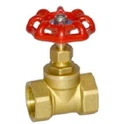
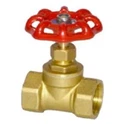
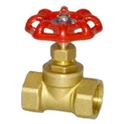
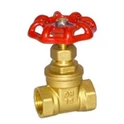
Hey there! As a supplier of Filter Ball Valves, I know how annoying valve noise can be. It's not just a nuisance; excessive noise can also indicate potential problems with the valve or the system it's part of. In this blog post, I'm gonna share some tips on how to reduce the noise generated by a filter ball valve.
Understanding the Causes of Noise in Filter Ball Valves
Before we dive into the solutions, let's first understand what causes the noise in the first place. There are a few common factors:


- Fluid Velocity: When the fluid flows through the valve at a high velocity, it can create turbulence and generate noise. This is especially true if there are sudden changes in the flow path, like when the valve is partially open.
- Cavitation: Cavitation occurs when the pressure of the fluid drops below its vapor pressure, causing vapor bubbles to form. When these bubbles collapse, they create a shockwave that can produce a loud noise.
- Mechanical Vibration: The valve itself can vibrate due to the flow of fluid or external factors like pipe movement. This vibration can be transmitted to the surrounding pipes and equipment, amplifying the noise.
Tips to Reduce Noise
1. Optimize Fluid Velocity
- Proper Sizing: Make sure the valve is sized correctly for the flow rate of the system. A valve that is too small will force the fluid to flow at a higher velocity, increasing the chances of noise. On the other hand, a valve that is too large may not provide proper control. You can check out our Multi-Function Filter Ball Valve which comes in different sizes to suit various flow requirements.
- Use Flow Control Devices: Install flow control devices like orifice plates or flow restrictors upstream of the valve. These devices can help reduce the fluid velocity before it reaches the valve, minimizing turbulence and noise.
2. Prevent Cavitation
- Maintain Adequate Pressure: Ensure that the pressure of the fluid remains above its vapor pressure throughout the valve. This can be achieved by adjusting the system pressure or using pressure regulators.
- Choose the Right Valve Design: Some valve designs are more resistant to cavitation than others. For example, valves with a streamlined flow path can reduce the likelihood of cavitation. Our Right Angle Ball Valve 1/2" is designed to provide a smooth flow, reducing the risk of cavitation and noise.
3. Minimize Mechanical Vibration
- Proper Installation: Make sure the valve is installed correctly and securely. Use proper mounting techniques and alignment to prevent any excessive vibration. It's also a good idea to support the pipes connected to the valve to minimize movement.
- Use Vibration Dampeners: Consider using vibration dampeners or flexible connectors in the piping system. These can help absorb the vibrations and prevent them from being transmitted to the surrounding equipment.
4. Upgrade the Valve Material
- Choose High-Quality Materials: The material of the valve can also affect its noise performance. Opt for valves made from high-quality materials that are more resistant to wear and tear. Our Iron Handle Ball Valve 1/2" is made from durable materials that can withstand high pressures and reduce noise.
Regular Maintenance
Regular maintenance is crucial for keeping your filter ball valve in good condition and reducing noise. Here are some maintenance tips:
- Inspect the Valve Regularly: Check the valve for any signs of wear, damage, or leakage. Replace any worn-out parts immediately to prevent further problems.
- Clean the Valve: Over time, dirt and debris can accumulate inside the valve, affecting its performance and causing noise. Clean the valve regularly to remove any buildup.
- Lubricate Moving Parts: Lubricate the moving parts of the valve, such as the stem and ball, to reduce friction and prevent noise.
Conclusion
Reducing the noise generated by a filter ball valve is not rocket science. By understanding the causes of noise and implementing the right solutions, you can significantly reduce the noise level and improve the performance of your valve. Remember to choose the right valve for your application, optimize the fluid velocity, prevent cavitation, minimize mechanical vibration, and perform regular maintenance.
If you're looking for high-quality filter ball valves or need more information on noise reduction, feel free to get in touch with us. We're here to help you find the best solutions for your needs and provide you with top-notch products and services. Start a conversation with us and let's work together to make your system quieter and more efficient.
References
- "Valve Noise and Vibration: Causes and Solutions." Valve Magazine.
- "Cavitation in Valves: Understanding and Preventing the Problem." Fluid Control Journal.