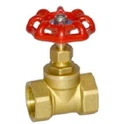
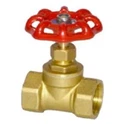
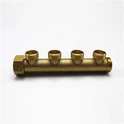
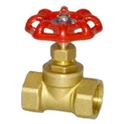
Brass fittings are a staple in various plumbing, gas, and industrial applications due to their durability, corrosion resistance, and malleability. As a trusted supplier of brass fittings, I often encounter questions from customers regarding how different environmental factors, especially soil conditions, can impact these essential components. In this blog, we'll delve into the relationship between brass fittings and soil conditions, exploring the potential effects and how to mitigate any associated risks.
Understanding Brass Fittings
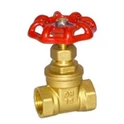
Before we explore the impact of soil conditions, let's briefly understand what brass fittings are. Brass is an alloy primarily composed of copper and zinc, with varying proportions of other elements such as lead, tin, and aluminum. This combination results in a material that is strong, ductile, and resistant to corrosion. Brass fittings come in a wide range of shapes and sizes, including elbows, tees, couplings, and valves, and are used in a variety of applications, from residential plumbing systems to industrial pipelines.
Soil Conditions and Their Impact on Brass Fittings
Soil is a complex medium that can vary significantly in composition, pH, moisture content, and electrical conductivity. These factors can all influence the corrosion rate of brass fittings buried in the ground. Here are some of the key soil conditions that can affect brass fittings:
Soil pH
The pH of the soil is a measure of its acidity or alkalinity. Soils with a low pH (acidic) are more corrosive to brass fittings than those with a high pH (alkaline). Acidic soils can contain high levels of hydrogen ions, which can react with the copper and zinc in brass, causing them to dissolve and form corrosion products. In contrast, alkaline soils can form a protective layer on the surface of the brass, reducing the rate of corrosion.
Moisture Content
Moisture is essential for corrosion to occur, as it provides the medium for the flow of electrons and ions between the brass fitting and the soil. Soils with high moisture content are more corrosive than those with low moisture content, as they can increase the conductivity of the soil and promote the formation of electrochemical cells. Additionally, water can carry dissolved oxygen and other corrosive agents, such as sulfuric acid and chloride ions, which can accelerate the corrosion process.
Soil Composition
The composition of the soil can also affect the corrosion rate of brass fittings. Soils that contain high levels of organic matter, such as peat and muck, can be more corrosive than those with low levels of organic matter. Organic matter can decompose and release acids, which can lower the pH of the soil and increase the rate of corrosion. Additionally, soils that contain high levels of sulfates, chlorides, and other salts can be more corrosive than those with low levels of salts, as these salts can increase the conductivity of the soil and promote the formation of electrochemical cells.
Electrical Conductivity
The electrical conductivity of the soil is a measure of its ability to conduct electricity. Soils with high electrical conductivity are more corrosive than those with low electrical conductivity, as they can increase the flow of electrons and ions between the brass fitting and the soil. Electrical conductivity is influenced by factors such as soil moisture content, soil composition, and the presence of dissolved salts.
Types of Corrosion in Brass Fittings Due to Soil Conditions
When brass fittings are exposed to certain soil conditions, different types of corrosion can occur. Understanding these types of corrosion is crucial for assessing the potential damage and taking appropriate preventive measures.
Galvanic Corrosion
Galvanic corrosion occurs when two different metals are in contact with each other in the presence of an electrolyte, such as soil moisture. In the case of brass fittings, if they are in contact with a more noble metal (e.g., stainless steel) or a less noble metal (e.g., iron), a galvanic cell can be formed. The less noble metal will act as the anode and corrode at an accelerated rate, while the more noble metal will act as the cathode and be protected. To prevent galvanic corrosion, it is important to avoid direct contact between dissimilar metals or use insulating materials to separate them.
Pitting Corrosion
Pitting corrosion is a localized form of corrosion that occurs when small holes or pits form on the surface of the brass fitting. This type of corrosion is often associated with the presence of chloride ions in the soil, which can break down the protective oxide layer on the brass surface and initiate corrosion. Pitting corrosion can be particularly dangerous as it can lead to the failure of the fitting even though the overall corrosion rate may be relatively low. To prevent pitting corrosion, it is important to use brass fittings with a high resistance to chloride-induced corrosion and to avoid exposing them to soils with high chloride content.
Stress Corrosion Cracking
Stress corrosion cracking (SCC) is a type of corrosion that occurs when a combination of tensile stress and a corrosive environment causes the brass fitting to crack. SCC can be particularly problematic in applications where the brass fitting is subjected to high stress, such as in pipelines under pressure. The presence of certain chemicals in the soil, such as ammonia and nitrates, can also increase the risk of SCC. To prevent SCC, it is important to use brass fittings that are designed to withstand the expected stress levels and to avoid exposing them to environments that are known to cause SCC.
Mitigating the Impact of Soil Conditions on Brass Fittings
While soil conditions can pose a challenge to the longevity of brass fittings, there are several strategies that can be employed to mitigate their impact.
Proper Installation
Proper installation is crucial for ensuring the long-term performance of brass fittings in the soil. This includes ensuring that the fittings are installed in a clean and dry environment, using the correct installation techniques and tools, and avoiding any damage to the fittings during installation. Additionally, it is important to ensure that the fittings are properly supported and protected from mechanical stress.
Coating and Plating
Coating and plating the brass fittings can provide an additional layer of protection against corrosion. Common coatings and platings include epoxy, polyurethane, and zinc plating. These coatings can help to prevent the soil from coming into direct contact with the brass, reducing the risk of corrosion. However, it is important to choose a coating or plating that is compatible with the soil conditions and the application.
Cathodic Protection
Cathodic protection is a technique that involves connecting the brass fitting to a more easily corroded metal, such as magnesium or zinc, which acts as a sacrificial anode. The sacrificial anode corrodes instead of the brass fitting, protecting it from corrosion. Cathodic protection can be an effective way to protect brass fittings in highly corrosive soil environments.
Regular Inspection and Maintenance
Regular inspection and maintenance of brass fittings buried in the soil are essential for detecting any signs of corrosion or damage early on. This includes visually inspecting the fittings for signs of rust, pitting, or cracking, and testing the electrical conductivity of the soil to monitor the corrosion rate. If any issues are detected, appropriate action should be taken to repair or replace the affected fittings.
Our Brass Fittings and Their Resistance to Soil Conditions
At our company, we take pride in offering high-quality brass fittings that are designed to withstand a variety of environmental conditions, including different soil types. Our Brass Filter 59-1 is made from high-grade brass alloy that provides excellent corrosion resistance. The unique design and construction of this filter ensure that it can effectively filter out impurities while maintaining its integrity in soil environments with varying pH levels and moisture content.


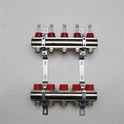
Our Pex Fitting for Gas is another product that is engineered to resist the effects of soil conditions. These fittings are precision-machined to ensure a tight and secure connection, minimizing the risk of gas leaks even in corrosive soil. The brass material used in these fittings is carefully selected for its high strength and resistance to pitting and galvanic corrosion.
For customers with specific requirements, we also offer Custom Brass Fittings. Our team of experts can work with you to design and manufacture brass fittings that are tailored to your specific application and soil conditions. Whether you need fittings with enhanced corrosion resistance or a unique shape and size, we have the capabilities to meet your needs.
Conclusion
In conclusion, soil conditions can have a significant impact on the performance and longevity of brass fittings. By understanding the factors that contribute to corrosion and taking appropriate preventive measures, such as proper installation, coating and plating, cathodic protection, and regular inspection and maintenance, it is possible to minimize the risk of damage and ensure the reliable operation of brass fittings in the soil.
As a leading supplier of brass fittings, we are committed to providing our customers with high-quality products that are designed to withstand the challenges of different soil conditions. If you have any questions or need assistance in selecting the right brass fittings for your project, please feel free to contact us. We look forward to the opportunity to discuss your requirements and help you find the best solutions for your business.
References
- Fontana, M. G. (1986). Corrosion engineering. McGraw-Hill.
- Jones, D. A. (1996). Principles and prevention of corrosion. Prentice Hall.
- Uhlig, H. H., & Revie, R. W. (1985). Corrosion and corrosion control: an introduction to corrosion science and engineering. Wiley.