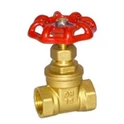
As a supplier of Ball Union Valves, I've encountered numerous inquiries from customers about the ease of disassembling these valves for inspection. This topic is crucial as regular inspection is essential for maintaining the performance and longevity of valves in various applications. In this blog, I'll delve into the factors that determine the disassembly ease of Ball Union Valves and provide practical insights based on our experience in the industry.
Understanding Ball Union Valves
Before discussing disassembly, it's important to understand what Ball Union Valves are. These valves are a type of quarter - turn valve that uses a hollow, perforated, and pivoting ball to control the flow of fluid. The union design allows for easy connection and disconnection from the pipeline, which is a significant advantage in many industrial and plumbing applications.


Ball Union Valves come in different types and materials. For instance, we offer Filter Ball Valve, which combines the function of a ball valve with a filter, and Multi - Function Filter Ball Valve, which has additional features for enhanced performance. There's also the Fire Reel Ball Valve, designed specifically for fire protection systems.
Factors Affecting the Disassembly Ease
Valve Design
The design of a Ball Union Valve plays a major role in how easy it is to disassemble. Well - designed valves usually have clear delineation between components and are engineered with disassembly in mind. For example, union nuts that can be easily gripped and turned are a sign of a good design. Our Ball Union Valves are crafted with precision, ensuring that the union connections can be smoothly loosened and tightened using standard tools.
Valve Size
The size of the valve can also impact the disassembly process. Smaller valves are generally easier to handle and disassemble compared to larger ones. Larger valves may require more effort and specialized tools due to their weight and the larger dimensions of their components. However, regardless of the size, our commitment is to design Ball Union Valves that are as user - friendly as possible during disassembly.
Material and Corrosion
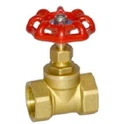
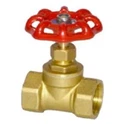
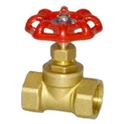
The material of the valve and the environment in which it operates can have a significant effect on disassembly. Valves made of high - quality materials are less prone to corrosion and wear, which means the components are more likely to remain in good condition and be easier to disassemble. For instance, brass is a popular material for Ball Union Valves because of its corrosion resistance, durability, and relatively low cost. However, if a valve has been exposed to harsh chemicals or a corrosive atmosphere, the disassembly may become more difficult due to rust and seized components. Regular maintenance and proper material selection can mitigate these issues.
Tools Required for Disassembly
To disassemble a Ball Union Valve, you typically need a few basic tools. A wrench is the most common tool used to loosen the union nuts. Depending on the size and type of the valve, you may need an adjustable wrench or a socket wrench. For more complex disassembly, such as removing the ball and seats inside the valve, you might require a valve puller or a specialized valve tool set. It's important to use the right tools to avoid damaging the valve components during the disassembly process.
Step - by - Step Disassembly Process
- Shut Off the Flow: Before starting the disassembly, make sure to shut off the flow of fluid through the valve. This is a crucial safety step to prevent leaks and potential hazards.
- Drain the System: If possible, drain the fluid from the valve and the connected pipeline to reduce the mess during disassembly.
- Loosen the Union Nuts: Use the appropriate wrench to loosen the union nuts on both ends of the valve. Turn the nuts counter - clockwise until they are loose enough to be removed by hand.
- Separate the Valve from the Pipeline: Once the union nuts are removed, gently pull the valve away from the pipeline. Be careful not to damage the sealing surfaces.
- Disassemble the Valve Components: If further inspection is required, you can disassemble the internal components of the valve. This may involve removing the stem, ball, and seats. Refer to the manufacturer's instructions for the specific disassembly steps.
Advantages of Easy Disassembly
The ease of disassembling Ball Union Valves offers several advantages. Firstly, it allows for quick and efficient inspection, which can help detect potential problems early. For example, if a valve is leaking or showing signs of wear, disassembly can reveal the source of the issue, such as a damaged seal or a worn - out ball. Secondly, easy disassembly makes maintenance and repair more straightforward. Instead of having to replace the entire valve, components can be easily accessed, repaired, or replaced, saving time and costs.
Our Commitment as a Supplier
As a supplier of Ball Union Valves, we understand the importance of providing valves that are easy to disassemble. We invest in research and development to continuously improve the design of our valves, making them more user - friendly and accessible for inspection. Our quality control measures ensure that every valve meets the highest standards of performance and durability.
We also offer comprehensive technical support to our customers. Whether you have questions about the disassembly process, need advice on maintenance, or are looking for the right valve for your specific application, our team of experts is ready to assist you.
Contact Us for Your Ball Union Valve Needs
If you're in the market for high - quality Ball Union Valves, we invite you to contact us for a detailed discussion. Our valves are designed to meet a wide range of industrial and plumbing requirements, and we can provide customized solutions based on your specific needs. Whether you need a Filter Ball Valve, a Multi - Function Filter Ball Valve, or a Fire Reel Ball Valve, we have the expertise and products to fulfill your demands. Don't hesitate to reach out for a professional purchasing consultation.
References
- Crane Co., "Valve Handbook."
- Fluid Sealing Association, "Valve Sealing Technology."
- Walworth, "Industrial Valve Guide."