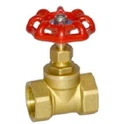
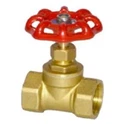
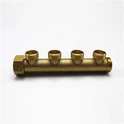
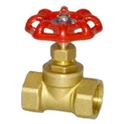
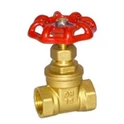
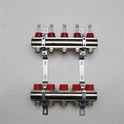
As a supplier of brass valve bodies, I've been deeply involved in the industry for quite some time. One of the most frequently asked questions I encounter from customers is about the wear resistance of brass valve bodies. In this blog post, I'll delve into what wear resistance means in the context of brass valve bodies, the factors that influence it, and why it matters in various applications.
Understanding Wear Resistance
Wear resistance refers to a material's ability to withstand the damage caused by contact and relative motion with another surface. In the case of brass valve bodies, wear can occur due to several reasons, including friction, erosion, and corrosion. Friction wear happens when two surfaces slide against each other, which can cause the surface of the brass valve body to gradually wear away. Erosion wear is typically caused by the flow of fluids containing solid particles, such as sand or sediment, which can abrade the valve body over time. Corrosion wear, on the other hand, is the result of chemical reactions between the brass and the surrounding environment, leading to the deterioration of the material.
Factors Affecting the Wear Resistance of Brass Valve Bodies
Composition of Brass
Brass is an alloy primarily composed of copper and zinc, with small amounts of other elements such as lead, tin, or aluminum. The exact composition of brass can significantly affect its wear resistance. For example, adding a small amount of lead to brass can improve its machinability but may slightly reduce its corrosion resistance. On the other hand, alloys with a higher copper content generally offer better corrosion resistance, which in turn contributes to better wear resistance in corrosive environments.
Surface Finish
The surface finish of a brass valve body plays a crucial role in its wear resistance. A smooth surface finish reduces friction between the valve body and other components, minimizing the amount of wear caused by sliding contact. Additionally, a well - finished surface can be more resistant to corrosion, as it provides fewer sites for corrosive agents to attack. Our company takes great care in ensuring that the brass valve bodies we supply have a high - quality surface finish through processes such as polishing and plating.
Operating Conditions
The wear resistance of a brass valve body is also highly dependent on the operating conditions. In applications where the valve is exposed to high - velocity fluid flow, the risk of erosion wear is increased. Similarly, in environments with high humidity or the presence of corrosive chemicals, the valve body is more likely to experience corrosion wear. For instance, in a water treatment plant, the brass valve bodies may be exposed to chemicals used for water purification, which can accelerate corrosion if the valve is not properly designed or protected.
Applications and the Importance of Wear Resistance
Plumbing Systems
In plumbing systems, brass valve bodies are widely used due to their excellent corrosion resistance and durability. The wear resistance of these valves is crucial as they are constantly in contact with water, which may contain various impurities. A valve with poor wear resistance can develop leaks over time, leading to water wastage and potential damage to the surrounding infrastructure. Our Water Heater Three - way Elbow Joint is designed to withstand the constant flow of hot water, ensuring long - term reliability in plumbing applications.
Industrial Processes
In industrial settings, brass valve bodies are used in a variety of processes, such as chemical manufacturing, oil and gas production, and power generation. In these applications, the valves may be exposed to harsh chemicals, high pressures, and high temperatures. A valve with good wear resistance can prevent premature failure, reducing downtime and maintenance costs. Our Galvanized Brass Body is specifically designed for industrial applications where corrosion and wear are major concerns.
Marine Applications
Marine environments are extremely harsh on materials due to the high salt content in seawater. Brass valve bodies used in marine applications need to have excellent wear and corrosion resistance to ensure the safety and reliability of the vessel's systems. A valve that fails due to wear can have serious consequences, such as flooding or loss of control of critical systems. Our Pickled Brass Valve Body is treated to enhance its resistance to the corrosive effects of seawater, making it suitable for marine use.
Testing and Quality Assurance
To ensure the wear resistance of our brass valve bodies, we conduct a series of tests. These include friction and wear tests, where the valve body is subjected to simulated operating conditions to measure the amount of wear. We also perform corrosion tests in various environments, such as salt spray chambers, to evaluate the corrosion resistance of the brass. By adhering to strict quality control standards, we can guarantee that our products meet or exceed the requirements of our customers.
Conclusion
The wear resistance of a brass valve body is a critical factor that determines its performance and lifespan in various applications. By understanding the factors that affect wear resistance, such as the composition of brass, surface finish, and operating conditions, we can design and manufacture high - quality valve bodies that meet the diverse needs of our customers. Whether it's for plumbing systems, industrial processes, or marine applications, our brass valve bodies are engineered to provide long - lasting performance and reliability.
If you're in the market for high - quality brass valve bodies with excellent wear resistance, we'd love to hear from you. Contact us to discuss your specific requirements and let us help you find the perfect solution for your project.


References
- ASM Handbook, Volume 13A: Corrosion: Fundamentals, Testing, and Protection. ASM International.
- Metals Handbook: Properties and Selection: Nonferrous Alloys and Pure Metals. ASM International.