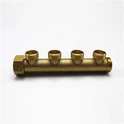
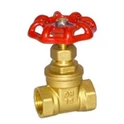
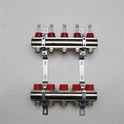
Hey there! As a supplier of brass manifolds, I've seen my fair share of these nifty devices, and I know how important it is to keep 'em clean. Brass manifolds are used in all sorts of applications, from plumbing to industrial setups, and a clean manifold not only looks good but also performs better and lasts longer. So, in this blog, I'm gonna walk you through how to clean brass manifolds like a pro.
Why Cleaning Brass Manifolds Matters
First off, let's talk about why cleaning your brass manifolds is a big deal. Over time, brass manifolds can accumulate dirt, grime, and even corrosion. This buildup can clog the passages, reduce the flow of fluids or gases, and even lead to leaks. Plus, a dirty manifold just doesn't look great, especially if it's visible in a commercial or residential setting. By keeping your brass manifolds clean, you can ensure they operate at peak efficiency and maintain their aesthetic appeal.
What You'll Need
Before you start cleaning, gather the following supplies:
- Mild dish soap
- Warm water
- Soft-bristled brush (like an old toothbrush)
- Microfiber cloth or soft towel
- Brass cleaner (optional)
- Protective gloves
Step 1: Preparation
Safety first! Put on your protective gloves to avoid any potential skin irritation from the cleaning agents. Then, turn off the system that the brass manifold is part of. This could mean shutting off the water supply in a plumbing system or disconnecting the power in an industrial setup. Make sure the manifold is completely depressurized and cooled down before you start cleaning.
Step 2: Disassemble (if possible)
If your brass manifold has removable parts, like valves or fittings, it's a good idea to take them apart. This will allow you to clean each piece thoroughly and reach all the nooks and crannies. Just make sure to keep track of how everything goes back together. You might want to lay out the parts in order or take a picture for reference.
Step 3: Basic Cleaning
Fill a bucket or sink with warm water and add a small amount of mild dish soap. Mix it up to create a soapy solution. Dip the soft-bristled brush into the soapy water and gently scrub the brass manifold. Pay special attention to areas with visible dirt or grime. You can use the brush to clean inside the ports and channels as well.
If there are stubborn stains or deposits, you can let the manifold soak in the soapy water for a few minutes to loosen them up. But be careful not to soak it for too long, as this could cause damage to the brass.
After scrubbing, rinse the manifold thoroughly with clean water to remove all the soap residue. Use a microfiber cloth or soft towel to dry it off completely.
Step 4: Using Brass Cleaner (Optional)
If your brass manifold has tarnish or discoloration that the soapy water and brush couldn't remove, you can use a brass cleaner. There are many commercial brass cleaners available on the market. Follow the instructions on the cleaner's label carefully.
Typically, you'll apply the cleaner to a soft cloth and rub it onto the brass surface in a circular motion. Let the cleaner sit for a few minutes to work its magic, then wipe it off with a clean cloth. Rinse the manifold again with water and dry it thoroughly.
Step 5: Reassemble and Reinstall
Once the brass manifold and all its parts are clean and dry, it's time to put everything back together. Refer to your notes or the picture you took earlier to make sure you assemble it correctly. Tighten all the fittings securely, but don't over-tighten them, as this could cause damage.
After reassembling, reinstall the manifold into the system. Turn on the system and check for any leaks or malfunctions. If everything looks good, you're all set!
Special Considerations for Different Types of Brass Manifolds
Temperature Control Manifold
The Temperature Control Manifold is designed to regulate the temperature of fluids or gases in a system. When cleaning this type of manifold, be extra careful not to damage the temperature sensors or control valves. Use a very soft brush and gentle pressure when cleaning these components.
Flowmeter Manifold
The Flowmeter Manifold is used to measure the flow rate of fluids or gases. Make sure to clean the flowmeter ports and sensors carefully to ensure accurate readings. Avoid using abrasive materials that could scratch or damage these sensitive parts.


Manifold Tail Piece
The Manifold Tail Piece is often located at the end of the manifold and is prone to collecting dirt and debris. Pay close attention to cleaning this part, as any blockages could affect the overall performance of the manifold.
Maintaining Clean Brass Manifolds
Regular cleaning is key to keeping your brass manifolds in top condition. Depending on the environment and usage, you should clean your manifolds at least once every few months. Here are some additional tips for maintenance:
- Keep the area around the manifold clean and free of dust and debris.
- Inspect the manifold regularly for signs of corrosion or damage.
- If you notice any issues, address them promptly to prevent further damage.
Conclusion
Cleaning brass manifolds is a simple yet important task that can extend the life and improve the performance of these essential components. By following the steps outlined in this blog, you can keep your brass manifolds looking and functioning their best.
If you're in the market for high-quality brass manifolds, whether it's a Temperature Control Manifold, Flowmeter Manifold, or Manifold Tail Piece, I'd love to help. Just reach out to start a conversation about your specific needs, and we can find the perfect solution for you.
References
- "Brass Cleaning and Maintenance Guide" by a leading plumbing supply company
- "Industrial Manifold Care and Cleaning" from an industry trade publication