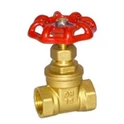
As a gas valve supplier deeply entrenched in the industry, I am frequently confronted with inquiries regarding the pressure rating of gas valves. This is a critical topic that demands a comprehensive understanding, not only for professionals in the field but also for end - users who rely on these valves for safe and efficient gas distribution.
Understanding Pressure Rating
The pressure rating of a gas valve is a fundamental specification that indicates the maximum pressure the valve can withstand while maintaining its structural integrity and proper functionality. It is typically measured in units such as pounds per square inch (psi), bar, or pascals (Pa). This rating is determined through rigorous testing and engineering calculations during the valve's design and manufacturing process.
When a gas valve operates within its specified pressure rating, it ensures reliable performance. For instance, in a natural gas distribution system, the gas pressure needs to be carefully regulated. If the pressure exceeds the valve's rating, it can lead to catastrophic failures, such as leaks, bursts, or even explosions. On the other hand, if the pressure is too low compared to the valve's designed capacity, the valve may not function optimally, resulting in inefficient gas flow.
Factors Affecting Pressure Rating
Several factors influence the pressure rating of a gas valve. Material quality is one of the most significant factors. Valves made from high - grade materials like brass, stainless steel, or forged steel can generally withstand higher pressures. These materials have excellent mechanical properties, such as high tensile strength and corrosion resistance, which are essential for withstanding the stress caused by high - pressure gas.
The design of the valve also plays a crucial role. A well - designed valve with proper wall thickness, reinforcement, and sealing mechanisms can handle higher pressures. For example, some gas valves are designed with multiple sealing points to prevent gas leakage under high - pressure conditions. Additionally, the type of valve mechanism, whether it is a ball valve, gate valve, or globe valve, can affect its pressure - handling capabilities.
The manufacturing process is another determinant. Precision machining and strict quality control ensure that the valve meets the specified pressure rating. Any defects or inconsistencies in the manufacturing process can weaken the valve and reduce its pressure - holding capacity.
Importance of Correct Pressure Rating Selection
Selecting the correct pressure rating for a gas valve is of utmost importance. In residential applications, such as gas stoves and water heaters, using a valve with an appropriate pressure rating ensures the safety of the occupants. If a valve with a low pressure rating is installed in a high - pressure gas system, it can pose a serious safety hazard.
In industrial settings, where large - scale gas distribution and processing occur, the consequences of incorrect pressure rating selection can be even more severe. A valve failure due to an inappropriate pressure rating can lead to production downtime, equipment damage, and environmental pollution. Therefore, engineers and technicians must carefully assess the gas system's pressure requirements and select the valve with the correct pressure rating.
Our Gas Valve Offerings
As a gas valve supplier, we offer a wide range of gas valves with different pressure ratings to meet the diverse needs of our customers. Our Gas Regulator Valve is designed to regulate the gas pressure accurately. It has a pressure rating that can be adjusted according to the specific requirements of the gas system. This valve is commonly used in both residential and commercial applications to ensure a stable and safe gas supply.
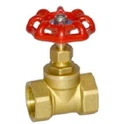
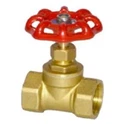
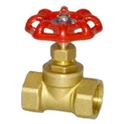
Our Handle Gas Valve is another popular product. It features a user - friendly handle for easy operation. This valve is available in various pressure ratings, making it suitable for different gas systems. Whether it is a low - pressure gas line in a small - scale laboratory or a high - pressure industrial gas pipeline, we have a handle gas valve that can meet the needs.
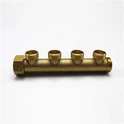
The Double - Fork Gas Valve is a specialized valve with unique design features. It is engineered to handle high - pressure gas flow and provides excellent sealing performance. This valve is often used in applications where reliable gas control and high - pressure resistance are required, such as in gas storage facilities and large - scale power plants.


How to Determine the Right Pressure Rating
Determining the right pressure rating for a gas valve requires a systematic approach. First, you need to understand the gas system's operating conditions. This includes the maximum and minimum gas pressures, the type of gas being used (e.g., natural gas, propane, or hydrogen), and the flow rate requirements.
You can consult the gas system's design specifications or work with a professional engineer. They can conduct a detailed analysis of the system and recommend the appropriate pressure rating for the valve. Additionally, it is important to consider any future expansion or changes in the gas system. Selecting a valve with a slightly higher pressure rating than the current requirements can provide some flexibility for future modifications.
Maintenance and Pressure Rating
Proper maintenance is essential to ensure that a gas valve continues to operate within its specified pressure rating. Regular inspection and testing can detect any signs of wear, corrosion, or damage that may affect the valve's pressure - holding capacity. For example, checking the valve's seals and gaskets for leaks and replacing them if necessary can prevent pressure loss and ensure the valve's safety.
Lubrication of moving parts is also important, especially for valves with complex mechanisms. This helps to reduce friction and wear, which can otherwise lead to valve failure. Moreover, following the manufacturer's maintenance guidelines and schedules is crucial for the long - term performance of the valve.
Conclusion
The pressure rating of a gas valve is a critical parameter that determines its safety and performance. As a gas valve supplier, we are committed to providing high - quality valves with accurate pressure ratings. Our diverse product range, including the Gas Regulator Valve, Handle Gas Valve, and Double - Fork Gas Valve, offers solutions for various gas system requirements.
If you are in the market for gas valves and need assistance in selecting the right pressure rating for your application, we encourage you to reach out to us. Our team of experts is ready to provide you with professional advice and support. Whether you are a homeowner, a contractor, or an industrial operator, we can help you find the perfect gas valve for your needs. Contact us today to start the procurement and negotiation process.
References
- ASME B16.34 - 2017, Valves - Flanged, Threaded, and Welding End.
- API 6D - 2021, Pipeline Valves - Specification for Pipeline Valves.
- ISO 5208 - 2015, Industrial valves - Pressure testing of valves.