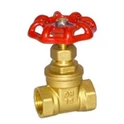
Operating a brass valve correctly is crucial for ensuring its optimal performance, longevity, and the safety of the entire system in which it is installed. As a reputable brass valve supplier, I have extensive knowledge and experience in this field. In this blog post, I'll share detailed insights on how to operate a brass valve effectively.


Understanding the Basics of Brass Valves
Before delving into the operation, it's essential to understand what brass valves are and their common types. Brass valves are made from brass, an alloy of copper and zinc, which offers excellent corrosion resistance, durability, and malleability. They are widely used in various industries, including plumbing, HVAC, and industrial fluid control systems.
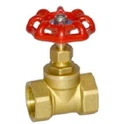
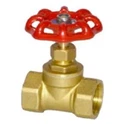
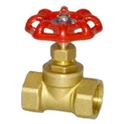
Common types of brass valves include globe valves, ball valves, and gate valves. Globe valves are designed to regulate the flow of fluid by moving a disc along the seat. They provide precise flow control and are commonly used in applications where accurate throttling is required. You can explore our 200 WOG Globe Valve and United Brass Globe Valve for specific options.
Ball valves, on the other hand, use a spherical disc (ball) with a hole in the middle to control the flow. They offer quick on-off operation and are suitable for applications where a full flow or shut-off is needed. Our PPR Spherical Valve is a great example of a high-quality ball valve.
Gate valves are used to either fully open or fully close the flow of fluid. They have a gate-like disc that moves up and down to control the flow path.
Pre - operation Checks
Before operating a brass valve, it's important to conduct a series of pre - operation checks to ensure its safe and efficient performance.
- Visual Inspection: Examine the valve for any signs of damage, such as cracks, dents, or corrosion. Check the valve body, stem, and connections for any visible defects. If any damage is detected, the valve should be replaced or repaired before use.
- Connection Check: Ensure that the valve is properly connected to the pipeline. Check the seals and gaskets for any signs of leakage or wear. Tighten the connections if necessary, but be careful not to over - tighten as this can damage the valve or the pipeline.
- Flow Direction: Verify the flow direction of the fluid in the pipeline. Most brass valves are designed to work in a specific flow direction, and operating the valve against the recommended flow direction can lead to poor performance or damage.
Operating Different Types of Brass Valves
Globe Valves
Globe valves are often used for throttling applications, where the flow rate needs to be adjusted.
- Opening the Valve: To open a globe valve, turn the handwheel counter - clockwise. As you turn the handwheel, the stem will rise, lifting the disc off the seat and allowing fluid to flow through the valve. The amount of flow can be adjusted by the degree to which the valve is opened. For fine - tuning the flow, make small incremental turns of the handwheel.
- Closing the Valve: To close the globe valve, turn the handwheel clockwise. The stem will lower, and the disc will be pressed against the seat, stopping the flow of fluid. It's important to close the valve slowly to prevent water hammer, which can cause damage to the valve and the pipeline.
Ball Valves
Ball valves are known for their quick on - off operation.
- Opening the Valve: To open a ball valve, turn the handle 90 degrees from the closed position. When the handle is parallel to the pipeline, the valve is fully open, allowing unrestricted flow of fluid.
- Closing the Valve: To close the ball valve, turn the handle 90 degrees from the open position so that it is perpendicular to the pipeline. This rotates the ball inside the valve, blocking the flow path.
Gate Valves
Gate valves are used mainly for full - flow or full - shutoff applications.
- Opening the Valve: To open a gate valve, turn the handwheel counter - clockwise. As the handwheel is turned, the gate (disc) will rise, allowing fluid to flow through the valve. Continue turning the handwheel until the valve is fully open.
- Closing the Valve: To close the gate valve, turn the handwheel clockwise. The gate will lower until it fully blocks the flow path. It's important to fully open or fully close gate valves to avoid excessive wear on the gate and the seat.
Maintenance During Operation
Regular maintenance during operation is essential to keep the brass valve in good working condition.
- Lubrication: Some brass valves may require periodic lubrication of the stem and moving parts. Use a suitable lubricant recommended by the valve manufacturer. Lubrication helps to reduce friction, prevent corrosion, and ensure smooth operation.
- Monitoring: Continuously monitor the valve during operation for any signs of leakage, unusual noise, or vibration. If any issues are detected, stop the operation immediately and investigate the cause.
- Cleaning: Over time, debris and sediment can accumulate inside the valve, affecting its performance. Periodically clean the valve to remove any dirt or debris. You can use a soft brush and a mild cleaning solution to clean the valve components.
Troubleshooting Common Issues
Even with proper operation and maintenance, brass valves may encounter some common issues.
- Leakage: If the valve is leaking, check the seals and gaskets. Tighten the connections or replace the seals if necessary. If the leakage persists, it may be due to a damaged valve body or seat, and the valve may need to be replaced.
- Sticking: A sticking valve can be caused by dirt, corrosion, or lack of lubrication. Try to clean the valve and lubricate the moving parts. If the problem persists, the valve may need to be disassembled and repaired.
- Inadequate Flow Control: If the valve is not providing the desired flow control, check for any blockages in the valve or the pipeline. Ensure that the valve is operating in the correct flow direction and that it is fully open or closed as required.
Conclusion
Operating a brass valve correctly is a combination of understanding its type, conducting pre - operation checks, following the proper operating procedures, and performing regular maintenance. By following these guidelines, you can ensure the long - term performance and reliability of your brass valves.
As a trusted brass valve supplier, we offer a wide range of high - quality brass valves to meet your specific needs. Whether you are in the plumbing industry, HVAC system installation, or industrial fluid control, our valves are designed to provide excellent performance and durability. If you have any questions about our products or need assistance with valve operation and selection, please feel free to contact us for a procurement discussion. We are committed to providing you with the best solutions and support.
References
- Valve Handbook, CRC Press
- ASME Standards for Valve Design and Operation
- Manufacturer's Manuals for Brass Valves