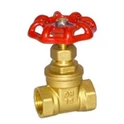
When it comes to the operation of brass valve bodies, one crucial aspect that often gets overlooked is the noise level. As a trusted supplier of brass valve bodies, I've witnessed firsthand the importance of understanding and managing this factor. In this blog post, I'll delve into the intricacies of the noise level during the operation of brass valve bodies, exploring the factors that influence it and offering insights on how to mitigate excessive noise.
Understanding the Basics of Brass Valve Body Noise
Brass valve bodies are commonly used in a wide range of applications, from residential plumbing systems to industrial machinery. During operation, these valves control the flow of fluids or gases, and in the process, they can generate noise. The noise produced by a brass valve body can vary significantly depending on several factors, including the design of the valve, the type of fluid or gas being controlled, and the operating conditions.
One of the primary sources of noise in a brass valve body is the flow of fluid or gas through the valve. As the fluid or gas passes through the valve, it can create turbulence and pressure fluctuations, which in turn generate sound waves. The intensity of the noise can be affected by the velocity of the fluid or gas, the size and shape of the valve opening, and the presence of any obstructions or irregularities in the valve's internal structure.
Another factor that can contribute to noise in a brass valve body is the mechanical movement of the valve components. For example, when a valve is opened or closed, the movement of the valve stem, disc, or seat can create vibrations that are transmitted through the valve body and into the surrounding environment. These vibrations can produce audible noise, especially if the valve is not properly lubricated or if the components are worn or damaged.
Factors Affecting the Noise Level
Valve Design
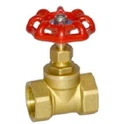
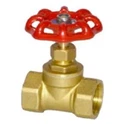
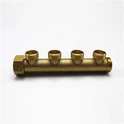
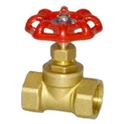
The design of a brass valve body plays a significant role in determining the noise level during operation. Valves with a more streamlined design and fewer internal obstructions tend to produce less noise than those with a more complex or restrictive design. For example, a External Thread Three-way Valve Body with a smooth internal passage and a well-designed flow path can minimize turbulence and pressure fluctuations, resulting in quieter operation.
In addition, the type of valve action can also affect the noise level. Globe valves, for instance, are known to produce more noise than ball valves or butterfly valves due to their more restrictive flow path and the way the valve disc interacts with the fluid or gas. Ball valves, on the other hand, typically offer a more direct and unobstructed flow path, which can reduce noise.
Fluid or Gas Properties
The properties of the fluid or gas being controlled by the brass valve body can also have a significant impact on the noise level. Fluids or gases with a higher viscosity or density tend to produce more noise than those with a lower viscosity or density. This is because the higher viscosity or density can cause more resistance to flow, resulting in increased turbulence and pressure fluctuations.
The temperature and pressure of the fluid or gas can also affect the noise level. Higher temperatures and pressures can increase the velocity of the fluid or gas, which in turn can lead to more pronounced noise. Additionally, the presence of any impurities or contaminants in the fluid or gas can cause additional noise by creating abrasion or erosion within the valve body.
Operating Conditions
The operating conditions under which a brass valve body is used can also influence the noise level. For example, valves that are operated at high flow rates or under high pressure are more likely to produce noise than those operated at lower flow rates or pressures. Similarly, valves that are subject to frequent opening and closing cycles can experience more wear and tear on their components, which can lead to increased noise over time.
The installation environment can also play a role in the noise level. Valves that are installed in a noisy or vibrating environment, such as near a pump or compressor, may be more likely to transmit noise to the surrounding area. In addition, improper installation, such as incorrect alignment or inadequate support, can cause the valve to vibrate and produce noise.
Measuring and Assessing the Noise Level
To determine the noise level of a brass valve body during operation, it is necessary to use specialized equipment, such as a sound level meter. A sound level meter measures the intensity of sound waves in decibels (dB) and can provide a quantitative assessment of the noise level.
When measuring the noise level of a brass valve body, it is important to take into account the background noise in the environment. The background noise can interfere with the measurement and make it difficult to accurately determine the noise level produced by the valve. To minimize the impact of background noise, the measurement should be taken in a quiet area or using a noise-canceling device.
In addition to measuring the overall noise level, it is also important to assess the frequency spectrum of the noise. Different frequencies of noise can have different effects on human hearing and can also indicate different types of problems within the valve body. For example, high-frequency noise may be indicative of turbulence or cavitation, while low-frequency noise may be caused by mechanical vibrations.
Mitigating Excessive Noise
If the noise level of a brass valve body is found to be excessive, there are several steps that can be taken to mitigate the problem.
Valve Selection
One of the most effective ways to reduce noise is to select a valve with a design that is optimized for quiet operation. As mentioned earlier, valves with a streamlined design and fewer internal obstructions tend to produce less noise. Additionally, choosing a valve with a lower noise rating can help to ensure that the valve operates quietly.
Flow Control
Controlling the flow rate and pressure of the fluid or gas through the valve can also help to reduce noise. By reducing the velocity of the fluid or gas, the turbulence and pressure fluctuations can be minimized, resulting in quieter operation. This can be achieved by using a flow control valve or by adjusting the system's operating parameters.


Lubrication and Maintenance
Proper lubrication of the valve components can help to reduce friction and wear, which can in turn reduce noise. Regular maintenance, including inspection and replacement of worn or damaged components, can also help to ensure that the valve operates smoothly and quietly.
Noise Isolation
In some cases, it may be necessary to isolate the valve from the surrounding environment to reduce noise transmission. This can be achieved by using noise insulation materials, such as rubber or foam, around the valve body or by installing the valve in a soundproof enclosure.
Conclusion
As a supplier of brass valve bodies, I understand the importance of providing products that not only meet the functional requirements of our customers but also operate quietly and efficiently. By understanding the factors that affect the noise level of brass valve bodies and taking appropriate measures to mitigate excessive noise, we can ensure that our customers have a positive experience with our products.
If you are in the market for high-quality brass valve bodies and are concerned about noise levels, I encourage you to contact us for more information. Our team of experts can help you select the right valve for your application and provide guidance on how to ensure quiet and reliable operation. Whether you need a Chrome-Plated Brass Body for a decorative application or a Galvanized Brass Body for a more industrial setting, we have the expertise and products to meet your needs.
References
- "Handbook of Valves and Actuators" by John P. Carroll
- "Fluid Mechanics" by Frank M. White
- "Valve Noise and Vibration" by the Valve Manufacturers Association of America