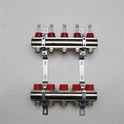
In the realm of fluid measurement and control, flowmeter manifolds play a pivotal role. As a seasoned supplier of Flowmeter Manifolds, I've witnessed firsthand the critical importance of understanding flow accuracy tolerance. This blog aims to delve deep into the concept of flow accuracy tolerance of a flowmeter manifold, exploring its significance, influencing factors, and implications for various industries.
What is Flow Accuracy Tolerance?
Flow accuracy tolerance refers to the allowable deviation between the actual flow rate and the flow rate indicated by the flowmeter manifold. It is typically expressed as a percentage of the measured value or in absolute units. For example, a flowmeter manifold with an accuracy tolerance of ±1% means that the actual flow rate can deviate by up to 1% from the indicated value.
The accuracy tolerance is a crucial parameter as it directly impacts the reliability and precision of flow measurements. In industries where precise flow control is essential, such as chemical processing, pharmaceuticals, and food and beverage production, even a small deviation in flow rate can lead to significant quality issues, production inefficiencies, and safety risks.
Factors Influencing Flow Accuracy Tolerance
Several factors can influence the flow accuracy tolerance of a flowmeter manifold. Understanding these factors is essential for selecting the right manifold for a specific application and ensuring accurate flow measurements.
1. Design and Construction
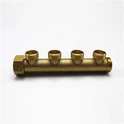
The design and construction of the flowmeter manifold play a significant role in determining its accuracy tolerance. A well-designed manifold with smooth internal surfaces, proper flow channels, and minimal turbulence will generally provide more accurate flow measurements. Additionally, the materials used in the construction of the manifold can also affect its performance. For example, a manifold made of high-quality brass or stainless steel is likely to have better corrosion resistance and dimensional stability, resulting in more accurate and reliable flow measurements.
2. Flow Rate and Range
The flow rate and range of the application also impact the flow accuracy tolerance. Flowmeter manifolds are typically designed to operate within a specific flow rate range. Operating the manifold outside of this range can lead to decreased accuracy and increased measurement errors. It is important to select a manifold that is suitable for the expected flow rate and range of the application to ensure accurate and reliable flow measurements.
3. Fluid Properties
The properties of the fluid being measured, such as viscosity, density, and temperature, can also affect the flow accuracy tolerance of the manifold. Fluids with high viscosity or density may require a different type of manifold or flowmeter technology to ensure accurate measurements. Additionally, changes in fluid temperature can cause changes in the fluid's viscosity and density, which can in turn affect the flow rate and measurement accuracy. It is important to consider the fluid properties when selecting a flowmeter manifold and to make any necessary adjustments to the measurement system to account for these properties.
4. Installation and Maintenance
Proper installation and maintenance of the flowmeter manifold are essential for ensuring accurate flow measurements. Incorrect installation, such as improper alignment or tightness of connections, can lead to leaks, turbulence, and measurement errors. Regular maintenance, including cleaning, calibration, and inspection, is also necessary to ensure the manifold is operating at its optimal performance. Failure to perform regular maintenance can result in decreased accuracy, increased measurement errors, and premature failure of the manifold.
Importance of Flow Accuracy Tolerance in Different Industries
The importance of flow accuracy tolerance varies depending on the industry and application. In some industries, such as chemical processing and pharmaceuticals, precise flow control is critical for ensuring product quality, safety, and compliance with regulatory requirements. In other industries, such as water treatment and HVAC systems, accurate flow measurements are important for optimizing system performance and reducing energy consumption.
1. Chemical Processing
In the chemical processing industry, accurate flow control is essential for ensuring the proper mixing and reaction of chemicals. A small deviation in flow rate can lead to incorrect chemical ratios, which can result in product quality issues, safety hazards, and production inefficiencies. Flowmeter manifolds with high accuracy tolerance are used to measure and control the flow of various chemicals, such as acids, bases, solvents, and polymers, in chemical reactors, distillation columns, and other processing equipment.
2. Pharmaceuticals
In the pharmaceutical industry, precise flow control is critical for ensuring the quality and safety of drugs and medical products. Flowmeter manifolds are used to measure and control the flow of various fluids, such as solvents, APIs (active pharmaceutical ingredients), and excipients, in drug manufacturing processes, such as mixing, granulation, and coating. Accurate flow measurements are essential for ensuring the correct dosage of drugs, preventing contamination, and meeting regulatory requirements.
3. Food and Beverage
In the food and beverage industry, accurate flow control is important for ensuring the quality and consistency of products. Flowmeter manifolds are used to measure and control the flow of various fluids, such as water, milk, juice, and syrup, in food and beverage processing equipment, such as pasteurizers, fillers, and mixers. Precise flow measurements are essential for ensuring the correct formulation of products, preventing over- or under-filling, and maintaining product quality and safety.
4. Water Treatment
In the water treatment industry, accurate flow measurements are important for optimizing the performance of water treatment systems and ensuring the quality of treated water. Flowmeter manifolds are used to measure and control the flow of water, chemicals, and other fluids in water treatment processes, such as filtration, disinfection, and desalination. Precise flow measurements are essential for ensuring the proper dosage of chemicals, preventing over- or under-treatment, and maintaining the efficiency and effectiveness of the water treatment system.
5. HVAC Systems
In the HVAC (heating, ventilation, and air conditioning) industry, accurate flow measurements are important for optimizing the performance of HVAC systems and reducing energy consumption. Flowmeter manifolds are used to measure and control the flow of water, refrigerant, and other fluids in HVAC systems, such as chillers, boilers, and air handling units. Precise flow measurements are essential for ensuring the proper distribution of heating and cooling energy, preventing over- or under-ventilation, and maintaining the comfort and energy efficiency of the building.
Selecting the Right Flowmeter Manifold for Your Application
Selecting the right flowmeter manifold for a specific application requires careful consideration of several factors, including the flow rate and range, fluid properties, accuracy requirements, and installation and maintenance requirements. Here are some tips to help you choose the right manifold for your application:
1. Determine the Flow Rate and Range
The first step in selecting a flowmeter manifold is to determine the expected flow rate and range of the application. This will help you narrow down your options and select a manifold that is suitable for the expected flow conditions.
2. Consider the Fluid Properties
The properties of the fluid being measured, such as viscosity, density, and temperature, should also be considered when selecting a flowmeter manifold. Different fluids may require different types of manifolds or flowmeter technologies to ensure accurate measurements.
3. Evaluate the Accuracy Requirements
The accuracy requirements of the application will also influence the selection of the flowmeter manifold. Applications that require high accuracy, such as chemical processing and pharmaceuticals, may require a manifold with a lower accuracy tolerance.
4. Consider the Installation and Maintenance Requirements
The installation and maintenance requirements of the flowmeter manifold should also be considered when making a selection. Some manifolds may require special installation procedures or regular maintenance to ensure accurate and reliable flow measurements.
5. Choose a Reputable Supplier
Finally, it is important to choose a reputable supplier of flowmeter manifolds. A reputable supplier will have a wide range of products to choose from, provide technical support and assistance, and offer high-quality products that are backed by a warranty.
Conclusion
As a supplier of Flowmeter Manifolds, I understand the critical importance of flow accuracy tolerance in various industries. By understanding the factors that influence flow accuracy tolerance and selecting the right manifold for a specific application, you can ensure accurate and reliable flow measurements, optimize system performance, and improve product quality and safety.
If you are in the market for a flowmeter manifold or have any questions about flow accuracy tolerance, please do not hesitate to contact us. Our team of experts is available to provide you with technical support and assistance, help you select the right manifold for your application, and answer any questions you may have. We look forward to working with you to meet your flow measurement and control needs.


References
- "Flow Measurement Handbook: Principles and Practice" by Richard W. Miller
- "Industrial Flow Measurement" by Paul C. Spitzer
- "Flowmeter Selection Guide" by Emerson Process Management